Melon
In Season: May–Aug
🍈 Melon
Shizuoka’s Crown Melon regularly sells for over ¥10,000 each. Hokkaido’s Yubari Melon is world-famous for fetching millions of yen at its first auction.
🍈 Complete Guide to Melon Picking
The Appeal of Melons and the Joy of Fruit Picking
Among Japanese fruits, melons hold a special place as the ultimate luxury fruit. They are a staple of gift-giving culture, and it is not unusual to see a single melon priced at over 10,000 yen in department stores. Melon picking offers the chance to harvest these prized fruits with your own hands and savor them at peak ripeness right on the spot.
The greatest appeal of melon picking lies in experiencing perfectly ripe melons available only at the farm. Commercially sold melons are often harvested slightly early for distribution purposes, whereas melon picking lets you harvest fruit that has fully ripened on the vine. The rich aroma that bursts forth as you cut into the melon, and the juicy, intensely sweet flavor that fills your mouth -- this is a luxury experience that only a visit to the growing region can offer.
Melon picking is also gaining popularity as a special occasion, since relatively few farms offer the experience compared to other types of fruit picking. More and more people are incorporating it into family celebrations or couples' travel plans, and the extraordinary experience of eating a melon you harvested yourself creates an unforgettable memory.
Peak Season and Regional Differences
The melon picking season generally centers around May through August, though the exact timing varies depending on the variety, cultivation method, and growing region.
Greenhouse-cultivated melons benefit from controlled temperatures, enabling relatively early harvests, with some regions beginning shipments as early as mid-May. Open-field melons, on the other hand, are subject to natural weather conditions, with their main season running from late June through August. Greenhouse cultivation is common for netted melon varieties and offers consistent quality. Open-field melons, which grow under full sun exposure, tend to develop a more robust sweetness.
Peak Season by Variety
The peak season varies by melon variety.
Earl's Melon (Musk Melon) is mainly greenhouse-grown, and while some are shipped year-round, the melon picking season is primarily May through July. Andes Melon is in season from late May through July, available relatively early. Takami Melon peaks from June through August, with sugar content increasing as summer progresses. Quincy Melon is at its best from June through July.
Hokkaido-grown Yubari Melon and Furano Melon have a slightly later season than other regions, peaking from late June through early August, and many visitors combine them with a summer trip to Hokkaido.
Variety Guide -- Flavor and Characteristics
Melons cultivated in Japan are broadly divided into "green-fleshed" and "red-fleshed" categories. Each category includes uniquely distinct varieties that differ in appearance, flavor, and aroma. Here are the most representative varieties you are likely to encounter during melon picking.
Earl's Melon (Musk Melon)
The quintessential Japanese luxury melon, carefully nurtured in greenhouse cultivation. The name "Musk Melon" derives from the English word "musk," referring to its distinctive, rich fragrance.
The rind features a beautifully uniform net pattern that is also visually stunning. This netting forms when cracks develop in the skin as the fruit grows, which are then repaired by a cork layer. The finer and more uniform the netting, the more meticulously the melon has been cultivated.
Sugar content is typically 14-15 degrees Brix, with premium specimens exceeding 16 degrees. The flesh is yellow-green (green-fleshed) with a fine texture and a melt-in-your-mouth quality. There are many sub-varieties within the Earl's lineage, such as "Earl's Yuki no Hana" and "Earl's Seine," with different varieties cultivated by different regions and farms.
Andes Melon
The most widely distributed netted melon variety and a household staple. Its name is actually an abbreviation of "Anshin desu Melon" (meaning "safe and reliable melon"), named for its ease of cultivation and consistent quality -- it has no connection to the Andes Mountains.
Sugar content is 14-15 degrees Brix, with a well-balanced sweetness and a subtle fragrance. Compared to Earl's Melon, it is more affordable, and many farms set their melon picking fees at relatively reasonable prices for this variety. The flesh is yellow-green with a satisfying sweetness that never becomes cloying -- a flavor you can enjoy bite after bite.
Takami Melon
Known for its high sugar content among netted melon varieties. Sugar content frequently reaches 15-16 degrees Brix, offering a noticeably intense sweetness.
Its standout feature is its excellent shelf life. The firm flesh retains its quality for a comparatively long period after harvest, making it a great choice for gifts and souvenirs. The flesh has a somewhat firm, crisp texture that appeals to those who enjoy a satisfying bite. While the rind netting is not as delicate as that of Earl's Melon, the fruit has an impressive heft to it.
Quincy Melon
A leading variety among red-fleshed melons. The flesh is orange, creating a vivid cross-section when cut. Sugar content is 14-15 degrees Brix, with a smooth, rich sweetness that differs distinctly from green-fleshed varieties.
A major nutritional advantage is its high beta-carotene content. Red-fleshed melons contain about 25 times the beta-carotene of green-fleshed melons. With its expected antioxidant benefits, this variety is also recommended for those who are health- and beauty-conscious.
Tips for Comparing Varieties
When tasting multiple varieties during melon picking, it is best to eat green-fleshed varieties before red-fleshed ones. Start with the clean, elegant sweetness of green-fleshed melons (Andes Melon, Takami Melon, Earl's Melon, etc.), then move on to the rich, full-bodied flavor of red-fleshed melons (Quincy Melon, etc.). This order allows you to clearly appreciate the differences between each variety.
If you start with the more intensely sweet varieties, the subtle nuances of the more delicate ones become harder to detect. Simply being mindful of this order can significantly enhance your melon picking experience.
How to Identify Delicious Melons
When choosing a melon yourself during melon picking, keeping a few pointers in mind will help you find the most delicious one.
Check for uniform netting. For netted melon varieties, look for fruit where the net pattern is fine and evenly distributed across the entire rind. Netting that is concentrated in one area or is coarse may indicate uneven development.
Feel for a satisfying weight. Among melons of the same size, choose the one that feels heavier in your hand. This is a sign that the flesh is densely packed.
Test the bottom (blossom end) for springiness to judge ripeness. Gently press the bottom of the melon (the end opposite the stem). When it yields slightly with a springy feel, the melon is ready to eat. One that is too firm is still underripe, while one that is too soft may be overripe.
Aroma is also an important clue. As a melon approaches peak ripeness, its characteristic sweet fragrance becomes stronger. Bring your nose close to the bottom and choose one with a rich, inviting aroma.
Observe the stem condition as well. A stem (the T-shaped top) that is green and taut indicates high freshness. On the other hand, a stem that has started to wilt slightly is a sign that post-harvest ripening has progressed, so choose this type if you plan to eat it soon.
Tips to Enjoy Melon Picking 10 Times More
1. Harvest carefully with scissors
Melon stems are thick, and trying to pull the fruit off by hand can damage it. Use the scissors provided by the farm and cut the stem to leave a T-shaped piece attached. The T-shaped stem is not only attractive but also helps preserve freshness.
2. Ask the farm staff about the best time to eat
Melons are not always at their best right after harvest. Depending on the variety, letting them sit at room temperature for a few days after harvest can further enhance their sweetness. Asking the farm staff "When will this be ready to eat?" is the most reliable approach.
3. If you want it chilled, plan ahead
Melon tastes even sweeter when eaten cold. Some farms offer chilled melon tastings, but bringing your own cooler box with ice packs means you can chill the melon as soon as you get home. That said, the ideal approach is to chill it in the refrigerator for just 2-3 hours before eating. Over-chilling diminishes the aroma.
4. Try comparing multiple varieties
Choosing a farm that grows both green-fleshed and red-fleshed varieties will give you a deeper appreciation for the world of melons. As mentioned above, eating green-fleshed before red-fleshed varieties allows each type's character to shine.
5. Prepare your gear
Here are some handy items to bring for melon picking.
- Hat and sunscreen: Greenhouses can get very hot, so heat stroke prevention is essential - Towel: For wiping sweat, and for when your hands get sticky with melon juice - Wet wipes: Melon juice is sticky, so these are indispensable for cleaning hands - Cooler box and ice packs: To keep your take-home melons fresh - Comfortable clothing and shoes: You may walk on uneven ground in fields
6. Making it fun for families with children
If visiting with small children, be especially mindful of the heat inside greenhouses. Make sure everyone stays hydrated and avoid staying too long. Letting children help choose the melons and assist with cutting them from the vine using scissors turns it into a food education opportunity. Eating freshly cut melon is sure to become a special memory for the kids.
Nutrition and Health Benefits
Melons are not only delicious but also packed with a variety of nutrients. Here are the key nutritional components based on Japan's Standard Tables of Food Composition (all values per 100g of edible portion).
Potassium content is 350mg/100g for green-fleshed melon, with red-fleshed varieties containing even more. Potassium helps the body excrete excess sodium, which is thought to aid in reducing swelling and regulating blood pressure. During summer, when sweating causes mineral loss, the potassium in melons can be particularly beneficial.
Vitamin C is present at 25mg/100g. It has antioxidant properties and is known to support skin health and aid in collagen production.
The standout nutrient in red-fleshed melons is beta-carotene. Red-fleshed melons contain an impressive 3600 micrograms/100g of beta-carotene, which is about 25 times that of green-fleshed melons. Beta-carotene is converted to vitamin A in the body, playing a role in maintaining healthy skin and mucous membranes and protecting vision. For those who are beauty-conscious, red-fleshed melons are especially recommended.
Melons have a high water content of about 87-90%, making them excellent for hydration in hot weather. At approximately 42kcal per 100g (green-fleshed), they are a relatively low-calorie fruit despite their sweetness -- making them a surprisingly healthy treat.
Storage Methods and Take-Home Tips
To enjoy your melon-picked melons at their very best, it helps to know the proper storage methods.
Ripening Tips
Melons are a fruit that requires post-harvest ripening. Right after harvest, the flesh may still be firm and the sweetness not fully developed. Leaving the melon at room temperature (around 20-25 degrees Celsius) for 2-3 days allows the flesh to soften and the sweetness and aroma to develop. Keep it out of direct sunlight in a well-ventilated spot.
Judging When It Is Ready to Eat
Check your melon daily during the ripening period. When you gently press the bottom and feel a slight springiness, the melon is ready. A stronger, sweeter aroma also signals that ripening has progressed. Be careful not to let it over-ripen, as the flesh will become excessively soft and the flavor will deteriorate.
When to Refrigerate
The best time to put the melon in the refrigerator is 2-3 hours before eating. Extended refrigeration can diminish the melon's characteristic rich aroma and make the sweetness harder to perceive. Avoid chilling overnight or longer.
Storing Cut Melon
Once a melon has been cut, remove the seeds and stringy fibers, cover it tightly with plastic wrap, and store it in the refrigerator. Ideally, eat it within 2-3 days. If you cannot finish it, cut it into bite-sized pieces and freeze them. Frozen melon can be enjoyed as a sorbet-like treat when partially thawed.
Tips for the Journey Home
Melons are vulnerable to impact, so wrap them in a towel or newspaper for the trip home and place them in a cooler box. If storing them in a car trunk, secure them firmly so they do not get jostled by vibration.
Regional Guide -- Recommended Areas
There are famous melon-producing regions throughout Japan, and here are some of the best areas where you can enjoy melon picking.
Ibaraki Prefecture (Hokota City) -- Japan's Top Producer
Ibaraki Prefecture boasts Japan's highest melon production, with Hokota City being one of the top melon-producing areas in the country. Multiple varieties are grown here, including Andes Melon, Takami Melon, and Quincy Melon, and some farms even offer variety-comparison tastings. The season runs from mid-May through July, and the area is just 1.5-2 hours by car from Tokyo, making it very accessible.
Hokkaido (Yubari City and Furano) -- Yubari Melon and Furano Melon
When it comes to Hokkaido melons, the crown jewel is the Yubari Melon, the finest of red-fleshed melons. The Yubari Melon is a variety called "Yubari King," with orange flesh that is meltingly soft and intensely sweet. The Furano area also produces excellent melons, and many tourists combine their summer Hokkaido trip with melon picking. The season runs from late June through early August.
Shizuoka Prefecture (Fukuroi City) -- Crown Melon
Shizuoka Prefecture's Crown Melon is known as the supreme brand of Earl's Melon. Using the "one vine, one fruit" cultivation method, where only a single fruit is allowed to grow per vine in the greenhouse, all of the plant's nutrients are concentrated into one ultimate melon. Primarily grown in and around Fukuroi City, the experience is often offered as a farm tour and tasting program rather than a traditional picking experience. While Crown Melons are shipped year-round, the highest quality is found from spring to early summer.
Kumamoto Prefecture -- Higo Green and Others
Kumamoto Prefecture takes advantage of its warm climate for active melon cultivation, producing distinctive varieties such as Higo Green. Higo Green is known for its high sugar content and large fruit size, offering a satisfying melon experience. This is a recommended region for those wanting to enjoy melon picking in the Kyushu area, with the season centered around May to June.
Frequently Asked Questions (FAQ)
Q1. How much does melon picking cost?
A. Melon picking fees typically range from 1,500 to 3,000 yen. Most farms offer a plan that includes picking 1-2 melons plus a tasting, and you can take the harvested melons home with you. Prices vary depending on the variety and farm plan, and farms growing premium Earl's Melon varieties may charge 3,000 yen or more. All-you-can-eat plans are limited, so check in advance.
Q2. Are reservations required?
A. Advance reservations are recommended. Since melon picking is offered at a limited number of farms, demand concentrates during the season. Weekends, public holidays, Golden Week, and summer vacation periods tend to fill up quickly, so it is best to book at least 1-2 weeks ahead. Walk-ins may be possible on weekdays at some farms, but since weather or crop conditions can sometimes force sudden cancellations, it is wise to confirm by phone or online beforehand.
Q3. How do I take the harvested melons home?
A. Many farms provide special boxes or nets for packing your harvested melons. Bringing your own cooler box and ice packs ensures freshness even during a hot car ride. Some farms also offer shipping services for those coming from far away.
Q4. Can I eat the melon right after harvesting?
A. Depending on the variety and ripeness at harvest, most melons require 2-3 days of post-harvest ripening. Some farms separately offer ready-to-eat pre-cut ripe melons on site. If you want to eat one right away, look for farms that offer tasting plans or all-you-can-eat cut melon options.
Q5. What is the best way to cut a melon?
A. Here is the basic technique for cutting a melon to enjoy it at its best. First, cut the melon in half horizontally and scoop out the seeds and fibers with a spoon. Next, slice it into equal wedges (6-8 slices is typical), then run a knife between the flesh and the rind to separate them. Finally, cut into bite-sized pieces for easy eating. The flesh closer to the rind is less sweet than the center, so remember that the area around the seeds (the center) is the sweetest part -- this way you can enjoy every bite to the last.
Q6. From what age can children enjoy melon picking?
A. Children can eat melon from around 18 months, once they have finished weaning, but as a melon picking experience, most farms welcome children from age 3 and up. While harvesting with scissors requires adult assistance, choosing a melon and eating cut melon are enjoyable activities even for very young children. Note that melon can be an allergen for some people, so if it is a child's first time trying melon, it is advisable to start with a small amount and monitor for any reaction.
Varieties
🍈 Melon Spots
51 spots
Popura Farm Nakafurano Honten
Popura Farm Nakafurano Honten
Hokkaido
Yubari Melon Farm
Yubari Melon Farm
Hokkaido
¥3,000–
Fukuroi Crown Melon Farm
Fukuroi Kuraun Melon Sono
Shizuoka
¥2,500–
Furano Melon Fields
Furano Melon Hatake
Hokkaido
¥2,400–
Abashiri Melon Village
Abashiri Melon Virejji
Hokkaido
¥2,300–
Ibaraki Melon Park
Ibaraki Melon Park
Ibaraki
¥2,200–
Sanzu Fruits Parlor Ka Kura
Sanzu Fruits Parlor Ka Kura
Miyagi
Beji Kakeru
Beji Kakeru
Nagano
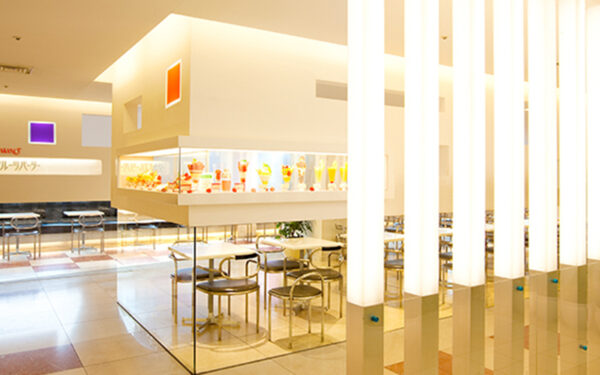
Takano Fruits Parlor Shinjuku Honten
Takano Fruits Parlor Shinjuku Honten
Tokyo
Parfait 1,500-3,000 yen / Fruit Sandwich 1,200-1,800 yen
Senbiki Ya Souhonten Fruits Parlor
Senbiki Ya Souhonten Fruits Parlor
Tokyo
Ginza Senbiki Ya Fruits Parlor Ginza Honten
Ginza Senbiki Ya Fruits Parlor Ginza Honten
Tokyo
Shibuya Nishimura Fruits Parlor
Shibuya Nishimura Fruits Parlor
Tokyo
Mizu Shin Fruits Parlor
Mizu Shin Fruits Parlor
Kanagawa
Fruits Parlor Hironori Ya Ikeshita Honten
Fruits Parlor Hironori Ya Ikeshita Honten
Aichi
Aroo Tree Karasuma
Aroo Tree Karasuma
Kyoto
Nakajima Sono Nouen Cafe
Nakajima Sono Nouen Cafe
Shizuoka
Matsumoto Fruits
Matsumoto Fruits
Shizuoka
Tenmonkan Kajitsu Dou
Tenmonkan Kajitsu Dou
Kagoshima
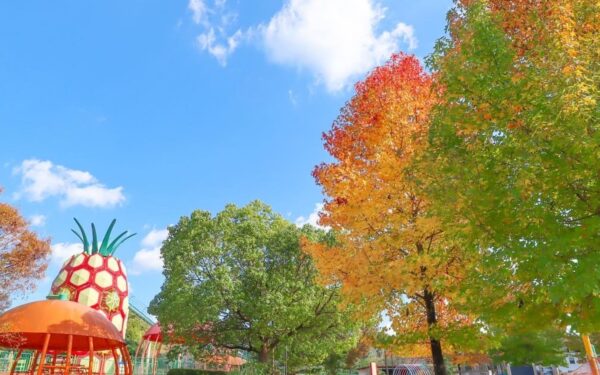
Hamamatsu Fruits Park Toki Yuki Sei
Hamamatsu Fruits Park Toki Yuki Sei
Shizuoka
Free admission (some paid experiences and facilities are available)
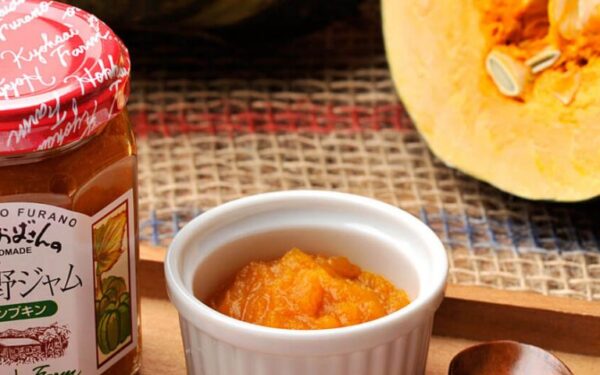
Furano Jam Sono
Furano Jam Sono
Hokkaido
Free entry
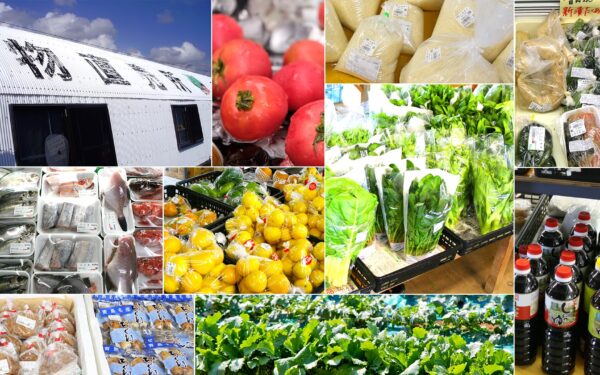
Nousanbutsu Chokubai Tokoro Konohana Shi
Nousanbutsu Chokubai Tokoro Konohana Shi
Miyazaki
in-store prices
Michi No Eki Suikano Sato Ueki
Michi No Eki Suikano Sato Ueki
Kumamoto
in-store prices

Fureai Mura Asuparu
Fureai Mura Asuparu
Tottori
in-store prices
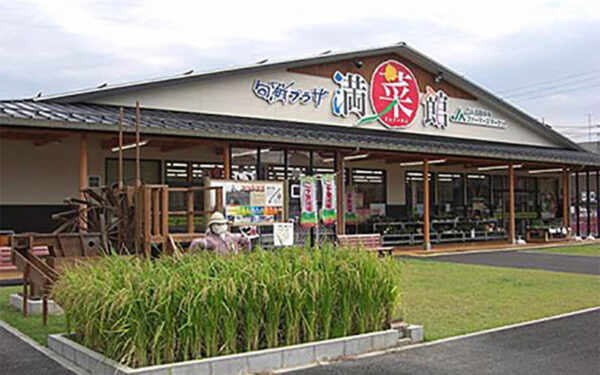
Jun Sen Plaza Man Saikan
Jun Sen Plaza Man Saikan
Tottori
in-store prices
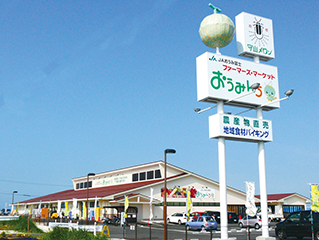
JA Lake Shiga Farmers Market Ouminchi
Jaレーク滋賀 Faamaazu Market Ouminchi
Shiga
in-store prices
JA Kyoto Farmers Market Tawawa Asagiri
Ja京都 Faamaazu Market Tawawa Asagiri
Kyoto
in-store prices
Faamaazu・ Market Ippeko ~ To
Faamaazu・ Market Ippeko ~ To
Niigata
in-store prices
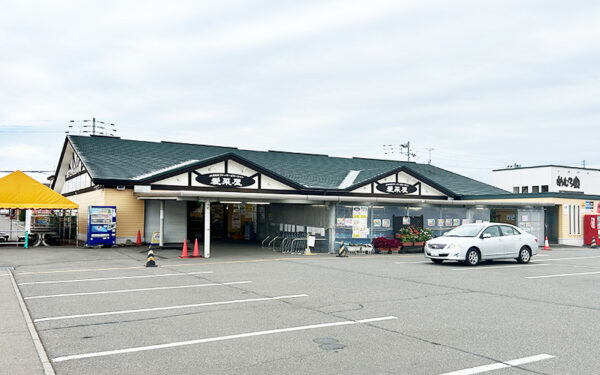
JA Memuro Farmers Market Ainaya
Jaめむろファーマーズ Market Aina Ya
Hokkaido
in-store prices
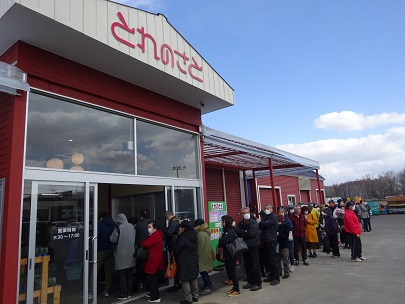
JA Sapporo Jimono Ichiba Torenosato
Jaさっぽろ地物市場とれのさと
Hokkaido
in-store prices
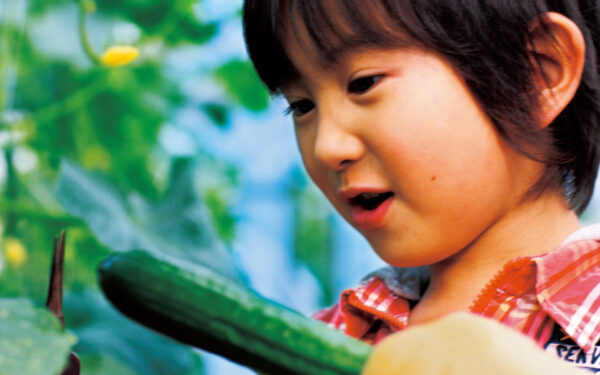
Hokuren Kutto Nou Nofureai Farm Kururuno Mori
Hokuren Kutto Nou Nofureai Farm Kururuno Mori
Hokkaido
in-store prices
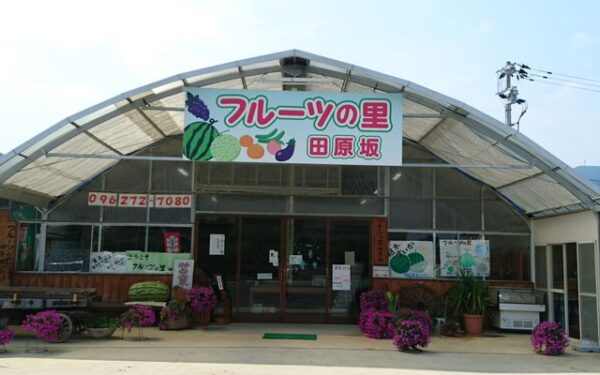
Fruits No Sato Tabaruzaka
Fruits No Sato Tabaruzaka
Kumamoto
All-you-can-eat strawberries for 30 minutes (please check the official website for prices)
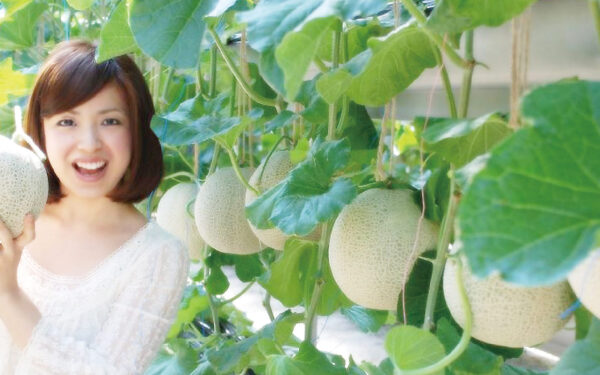
Izu Fruits Park
Izu Fruits Park
Shizuoka
Melon picking from 1,200 yen (varies depending on the season)
Kashima Harvest
Kashima Harvest
Shizuoka
Melon picking (1 ball) 3,300 yen (includes 1/2 slice of melon sampling), melon sampling only 1,320 yen

Michi No Eki Itako
Michi No Eki Itako
Ibaraki
Free admission (products sold separately)
Kashima Nada Kaihin Koen Umi To Mori No Sato Mogitate Shijou
Kashima Nada Kaihin Koen Umi To Mori No Sato Mogitate Shijou
Ibaraki
Free admission (products sold separately)
Fukasaku Nouen
Fukasaku Nouen
Ibaraki
Please check the official website
Melon No Murata
Melon No Murata
Ibaraki
Please check the official website
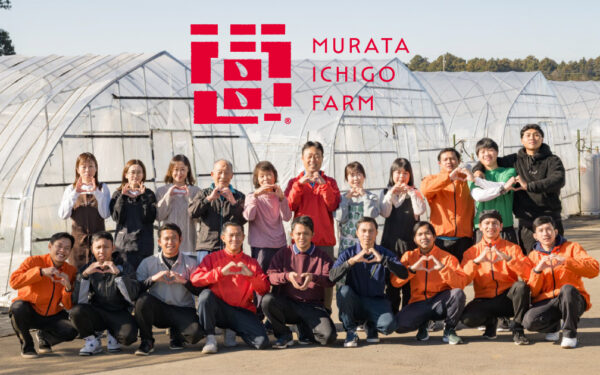
Murata Nouen
Murata Nouen
Ibaraki
Please check the official website

Forest Park Melon No Mori
Forest Park Melon No Mori
Ibaraki
Please check the official website (3 ball hunting & tasting course, etc.)
Minami Kajuen Gei
Minami Kajuen Gei
Ibaraki
Please contact us officially
JA Hokota Farmers Market Nadarou
Jaほこた Faamaazu Market Nadarou
Ibaraki
Free admission (products sold separately)
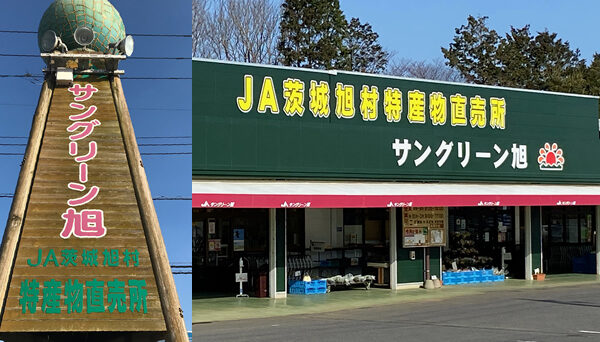
JA Ibaraki Asahimura Specialty Direct Sales San Green Asahi
Ja茨城旭村特産物直売所 San Green Asahi
Ibaraki
Free entry
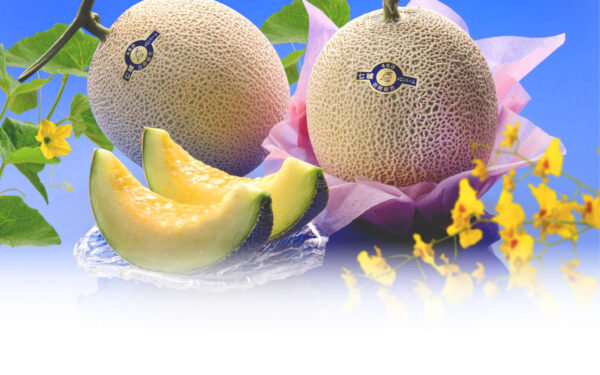
Michi No Eki Shichijou Melon Doomu
Michi No Eki Shichijou Melon Doomu
Kumamoto
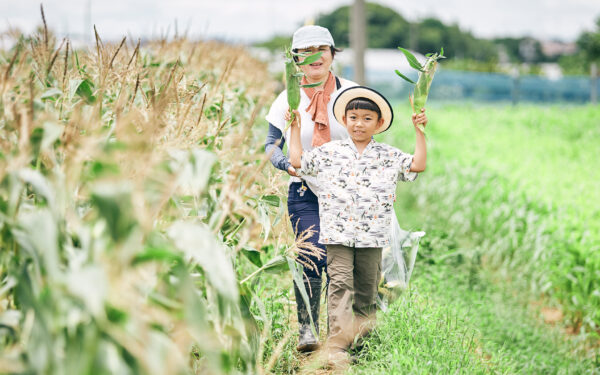
Michi No Eki Toyohashi
Michi No Eki Toyohashi
Aichi
Gamagoori Orange Park
Gamagoori Orange Park
Aichi
Orange picking: 1,650 yen for adults, 1,540 yen for children, 550 yen for infants (approximately 1 kg of oranges, souvenir included, unlimited time)
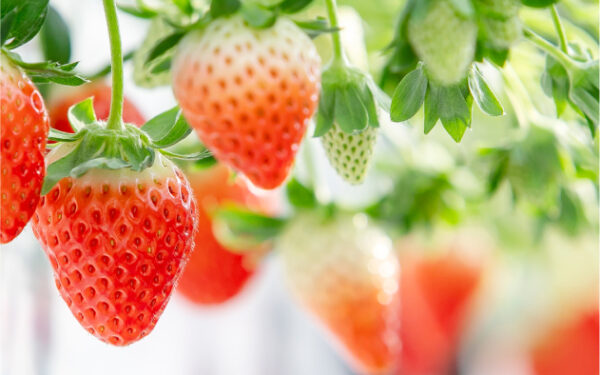
Strawberry Park Mifune
Strawberry Park Mifune
Aichi
Adults 2,000 yen~ (45 minutes of all-you-can-eat strawberry picking)
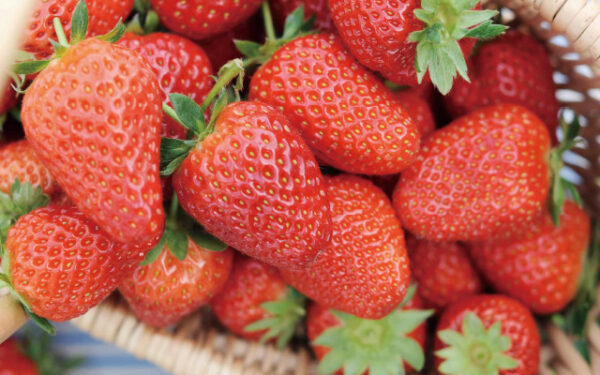
Nouen Ki No Kuni
Nouen Ki No Kuni
Wakayama
Melon picking from 2,000 yen for adults, strawberry picking from 1,800 yen for adults
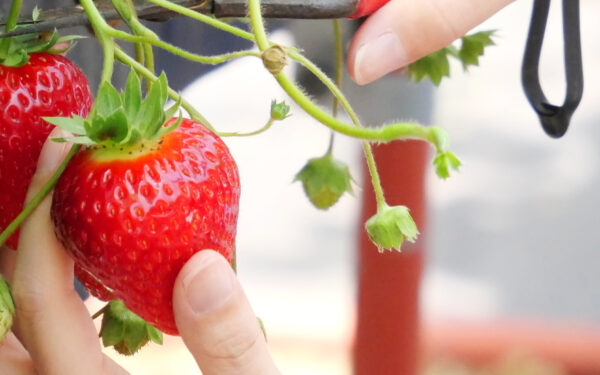
Kanko Nouen Hidaka
Kanko Nouen Hidaka
Wakayama
All-you-can-eat strawberries from 1,800 yen for adults, all-you-can-eat melon from 2,500 yen for adults

Michi No Eki Yubari Me Road
Michi No Eki Yubari Me Road
Hokkaido
Free admission. In-store prices for melons and specialty products
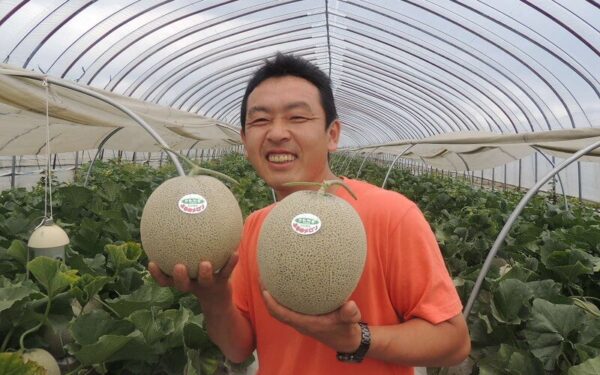
Terasaka Nouen Melon Chokubai Tokoro
Terasaka Nouen Melon Chokubai Tokoro
Hokkaido
The price of one melon varies depending on the variety and season. Please check the official website
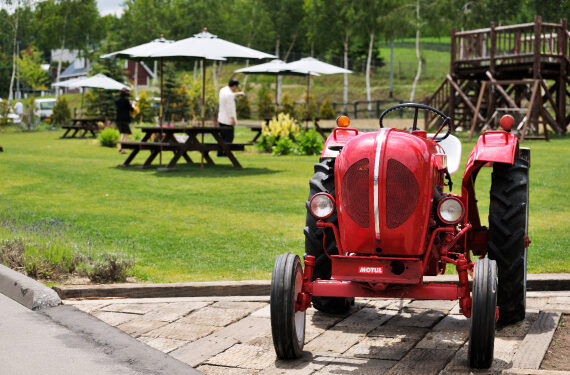
Tomita Melon House
Tomita Melon House
Hokkaido
Sales of cut melons, melon bread, etc. Please check the official website
Frequently Asked Questions
When is Melon in season?
Where are the main growing regions for Melon?
Where can I enjoy Melon?
What is the best way to enjoy Melon?
Share this fruit
🍈 Melon — Find on Map
Discover nearby spots on our interactive map