Cherry
In Season: Jun–Jul
🍒 Cherry
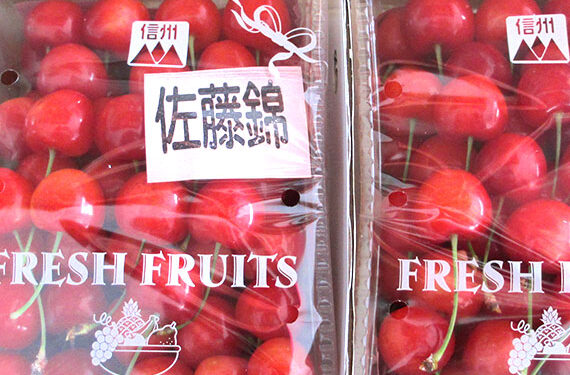
Sato Nishiki, the “red jewel,” was born in Yamagata in 1928. Yamagata produces over 70% of Japan’s cherries.
🍒 Complete Guide to Cherry Picking
The Appeal of Cherries and the Joy of Fruit Picking
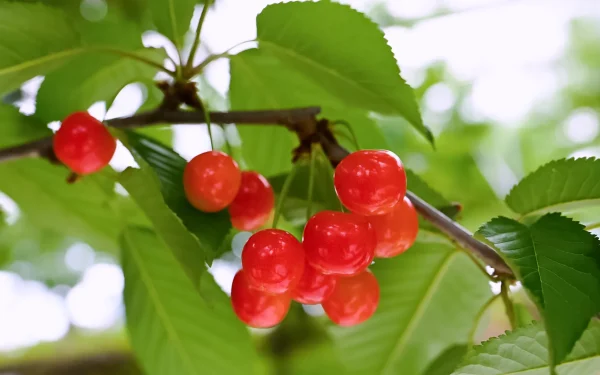
Beautiful as rubies, cherries gleam like tiny red jewels. In Japan, they are often called "the queen of early summer flavors," and because the season is so brief, every single cherry is treasured as something truly special. Beyond their adorable appearance, cherries captivate people with the burst of sweetness and gentle tartness that fills the mouth on the first bite, along with the satisfying snap of their firm flesh.
Cherry picking is an indulgence available only in early summer. Since the season overlaps with the rainy season, many orchards set up vinyl greenhouses or rain shelters, so you can enjoy picking regardless of the weather. Cherry trees are typically trained to stay relatively low, making the fruit easy for children to reach -- another reason cherry picking is a wonderful activity for the whole family.
The ultimate thrill of cherry picking is the all-you-can-eat experience, where you can savor cherries to your heart's content. Cherries in stores are known as a luxury item -- gift-grade Sato Nishiki can cost several thousand yen to over 10,000 yen per kilogram. Being able to eat your fill at an orchard is a rare treat for cherry lovers. What's more, tree-ripened cherries picked fresh are incomparably more delicious than those that have been shipped.
Peak Seasons and Regional Differences
The cherry picking season is very short, running roughly from late May to mid-July overall. The timing varies by variety and region, but the main season is concentrated in a single month around June.
Peak Season by Variety
Cherry varieties are harvested in a relay from early to late season.
The earliest variety, Beni Sayaka, reaches its peak from early to mid-June. Next comes Sato Nishiki, peaking from mid to late June, marking the height of cherry season. As the Sato Nishiki season draws to a close, Beni Shuho takes over from late June into early July, extending the cherry picking window a bit longer. The large-fruited variety Yamagata Beniou, which has been gaining attention in recent years, is in season from late June to early July.
Characteristics by Major Growing Region
Yamagata Prefecture -- The overwhelming leader in cherry production, accounting for roughly 70-75% of all cherries grown in Japan. The sharp temperature swings of the Yamagata Basin create ideal growing conditions, and the prefecture is known nationwide as "the cherry kingdom." Higashine City is the top-producing municipality in the country and the birthplace of the Sato Nishiki variety. Cherry picking orchards are abundant throughout Yamagata -- in Tendo, Sagae, Murayama, and beyond -- with the season running from early June to mid-July. From Tokyo, it takes about 2.5 hours on the Yamagata Shinkansen to Yamagata Station. From there, rental cars and buses provide access to the orchard areas.
Regions beyond Yamagata -- In Hokkaido (Niki and Yoichi), cherry picking runs from early to mid-July, slightly later than on the main island. Cherries grown in Hokkaido's cool climate are known for their excellent balance of tartness and sweetness. In Yamanashi Prefecture (around Minami-Alps City), cherry picking is available earlier, from late May to mid-June, and the easy access from Tokyo makes it a popular choice. Nagano Prefecture (around Obuse) also offers cherry picking from mid-June to early July.
Variety Guide -- Flavor Profiles and Characteristics
Sato Nishiki
The most iconic Japanese cherry variety, often called "the king of cherries." It was developed by Eisuke Sato in Higashine City, Yamagata Prefecture, by crossing Napoleon and Kigyoku, and was named in 1928. Each cherry weighs about 6-8g, with a beautiful appearance of bright red mixed with yellow. Sugar content is high at 14-20 degrees Brix, with an exquisite balance of sweetness and acidity. The flesh is pale white, soft, and wonderfully juicy. The peak season spans only about two weeks from mid to late June, so timing your visit is essential.
Beni Shuho
The second most popular cherry variety after Sato Nishiki, Beni Shuho was bred from a cross of Sato Nishiki and Tenko Nishiki. Compared to Sato Nishiki, the individual cherries are larger (8-12g) with firmer flesh and a more substantial bite. Sugar content is very high at around 20 degrees Brix, and with little acidity, the sweetness really comes through. Its firm flesh also gives it better keeping quality, making it a reliable choice for souvenirs. Peak season is late June to early July, picking up right where the Sato Nishiki season leaves off.
Yamagata Beniou
A large-fruited variety that Yamagata Prefecture spent roughly 20 years developing, with full-scale market distribution beginning in 2023. Its most striking feature is its size -- individual cherries weigh 10-12g or more, and it's not unusual to find ones exceeding 3cm in diameter. Cherries roughly the size of a 500-yen coin make a stunning visual impression. Sugar content exceeds 20 degrees Brix, and the large size delivers a satisfying, luxurious eating experience. Peak season is late June to early July. Growing area is still limited, so only select orchards offer this variety, but it's absolutely worth trying if you get the chance.
Beni Sayaka
An early-season variety that can be harvested earlier than Sato Nishiki (early to mid-June). The skin is deep red, and the flesh also has a reddish tinge. It offers a refreshing flavor with moderate tartness complementing the sweetness. This is the variety to seek out if you want to enjoy cherry picking before the Sato Nishiki season begins.
Napoleon
A European-origin variety that is also widely used in Japan for processing (canned fruit and Western-style confections). The cherries are large, with yellow skin accented by red coloring. The flavor leans tart, and the firm flesh provides a satisfying bite. It offers a taste completely different from Sato Nishiki, making it an interesting point of comparison when sampling different varieties. Peak season is late June to early July.
Tips for Tasting and Comparing
When sampling multiple varieties during cherry picking, start by eating just 1-2 cherries of each variety to identify the flavor differences, find your favorite, and then settle in for serious eating. The juicy sweetness of Sato Nishiki, the crisp texture and rich sweetness of Beni Shuho, the sheer volume and presence of Yamagata Beniou -- each has its own distinct appeal. Even within the same variety, flavor can vary depending on the tree's position (sun exposure) and ripeness, so tasting from multiple trees is part of the fun.
Tips and Tricks for Cherry Picking
How to Spot the Best Cherries
Here are some tips for finding the most delicious cherries in the orchard.
Choose cherries with glossy, taut skin. A shiny, lustrous surface indicates high freshness and tends to mean better flavor. Cherries that look withered or wrinkled have lost their freshness.
Cherries with deep, even red coloring tend to be sweeter. However, the ideal color depends on the variety, so asking the orchard staff "What color means this variety is ready to eat?" is always a good idea.
Cherries growing high up on the tree in sunny spots are more likely to have soaked up plenty of sunlight and developed greater sweetness. Since cherries ripen first in the sunniest positions, try reaching for fruit on slightly higher branches within arm's reach.
Cherries with green, firm stems are a sign of freshness. If the stem has turned brown, the cherry is past its prime.
The Right Way to Pick
There are some important points to keep in mind when picking cherries. The correct method is to lift the cherry upward by its stem while gently pinching and twisting the fruit to detach just the cherry.
The most critical thing is to avoid damaging the flower bud. At the base of each cherry stem is a bud that will produce next year's blossoms. If this bud is removed, that spot won't bear fruit the following year, so never tear off branches or rip out the base of the stem. Carefully removing just the fruit is the proper etiquette.
Eating Tips
Cherries taste better when chilled. Some orchards provide ice water or cold water -- try cooling your picked cherries briefly before eating to bring out their sweetness.
Part of the fun is wandering from tree to tree, comparing flavors. Even within the same variety, differences in sun exposure can change the taste, so you might discover that "this particular tree has the sweetest cherries!"
What to Bring and What to Wear
Cherry picking season falls around June, overlapping with the rainy season. Most picking takes place inside vinyl greenhouses or under rain shelters, but conditions inside can get hot and humid, so cool, comfortable clothing is recommended. Bring a light layer that's easy to take on and off for temperature control.
Drinks are a must-bring. It gets surprisingly hot and humid inside the greenhouse, and you'll get thirsty faster than you expect. Sunscreen and a hat are also good to have, even inside a greenhouse, for UV protection.
Wet wipes come in handy when cherry juice gets on your hands. Also, many orchards don't allow personal belongings (bags, handbags) inside the greenhouse. This is a rule to prevent unauthorized take-home, so plan to enter with just your essentials on your person.
Regional Guide
Yamagata Prefecture (Higashine, Tendo, and Sagae)
Producing over 70% of Japan's cherries, Yamagata is truly "the cherry kingdom." Higashine City is especially famous as the birthplace of Sato Nishiki, with numerous cherry orchards throughout the city. From Cherry Higashine Station on the Yamagata Shinkansen, orchards are scattered within easy reach, making access convenient. Tendo City, also renowned as a center of shogi (Japanese chess) piece production, offers the chance to combine cherry picking with sightseeing in this unique town. Sagae City hosts events like the "Cherry Marathon," reflecting the region's deep connection to the fruit.
Yamagata gets very busy with visitors during cherry season, so booking your orchard visit early is highly recommended. Weekends are especially popular, so consider visiting on a weekday.
Yamanashi Prefecture (Minami-Alps City Area)
As the second-largest cherry-producing region after Yamagata, Yamanashi is a popular spot for day-trip cherry picking, just about 90 minutes by car from Tokyo. Yamanashi's cherry season starts earlier than Yamagata's, running from late May through mid-June. Many orchards here use greenhouse cultivation, so you can enjoy picking without worrying about rain.
Hokkaido (Niki and Yoichi Area)
Hokkaido's cherry season runs from early to mid-July, later than on the main island. Cherry picking amid Hokkaido's refreshing early summer climate is a special experience for travelers. Yoichi is also famous for its wineries, and combining a winery tour with cherry picking is a popular plan.
Frequently Asked Questions
Q. How much does cherry picking cost?
For all-you-can-eat plans, adults generally pay around 1,500-2,500 yen. Thirty-minute all-you-can-eat sessions are the most common format, with prices varying by orchard and variety. Beni Shuho and greenhouse-grown cherries tend to be priced slightly higher than open-air varieties.
Q. How many cherries can you eat within the time limit?
Adults typically eat around 40-60 cherries in a 30-minute session. Since each cherry is small, it's not unusual to find you've eaten quite a lot before you realize it. Eating too many can cause an upset stomach, so enjoy them in moderation.
Q. Is it good for children?
Cherry trees are often trained low enough that children can reach the fruit at their height, giving them the thrill of picking their own. However, be careful about cherry pits -- there's a choking risk for small children. For very young children, an adult should remove the pit before letting them eat.
Q. Can you take cherries home?
With all-you-can-eat plans, eating is limited to inside the orchard, and take-home cherries are almost always purchased separately by weight. Since cherries are extremely perishable, bring a cooler box and ice packs if you plan to take some home, and eat them as soon as possible. Keeping them out of direct sunlight and heat is the key to maintaining freshness.
Q. When is the best time for cherry picking?
The golden window is mid-June, when Sato Nishiki is at its peak. However, this is also the busiest period, so early reservations are essential. Visiting slightly later, toward the end of June, lets you enjoy late-season varieties like Beni Shuho, often with smaller crowds.
Q. Should I worry about eating too many cherries?
Cherries are small and easy to eat, so it's tempting to overdo it, but eating a large quantity at once can cause loose stools. This is because cherries contain sorbitol, a sugar alcohol that can affect the digestive system. Enjoy them in moderation and remember to stay hydrated. Be especially mindful of how many young children are eating.
Nutrition and Health Benefits
Despite their small size, cherries pack a well-balanced array of nutrients. According to Japan's Standard Tables of Food Composition (8th edition), domestically grown raw cherries contain 64 kcal per 100g of edible portion. Particularly noteworthy is their potassium content: 210mg per 100g, among the highest levels of any fruit. Potassium helps the body excrete excess sodium, making it a mineral that can help prevent high blood pressure and reduce swelling.
Another major nutritional highlight of cherries is their iron content. At 0.3mg per 100g, cherries contain a relatively high amount of iron for a fruit. Iron is a key component of hemoglobin in red blood cells and plays a vital role in transporting oxygen throughout the body. Because it helps prevent and address anemia, cherries are an especially welcome fruit for women, who tend to be more prone to iron deficiency.
Cherries are also rich in folate, at 38 micrograms per 100g. Folate is a B vitamin essential for red blood cell production and cell division and growth. It is particularly important for women in early pregnancy, as it has been linked to reducing the risk of neural tube defects in developing babies.
Vitamin C content is 10mg per 100g, which is moderate for a fruit, but beta-carotene equivalent is relatively high at 98 micrograms per 100g. Beta-carotene is converted to vitamin A in the body, supporting skin and mucous membrane health and strengthening immune function. Cherries also contain 0.5mg of vitamin E per 100g, offering antioxidant effects that help protect cells from aging.
The red pigment in cherries comes from anthocyanins, a polyphenol with excellent antioxidant properties. Anthocyanins have been reported to help relieve eye strain and combat aging by neutralizing free radicals. The sorbitol (a type of sugar alcohol) in cherries has a mild laxative effect that can help regulate intestinal function.
Dietary fiber is present at 1.2g per 100g, contributing to improved gut health. Because cherries are small and easy to eat, they allow you to take in a range of nutrients without even thinking about it. Eating freshly picked cherries straight from the tree lets you enjoy these nutritional benefits at peak freshness.
Storage Methods and Take-Home Tips
Bringing Cherries Home from the Orchard
Cherries are among the most perishable fruits, and how they are handled after picking has a major impact on their flavor. When bringing home cherries purchased at an orchard, always bring an insulated bag and ice packs. Since cherries are in season during the hot months of June and July, leaving them in a parked car will cause them to deteriorate rapidly. Always transport cherries with their stems attached -- removing the stem creates an opening where spoilage sets in faster. When placing them in a container, take care not to pile them up so they crush each other.
Refrigerated, Room Temperature, and Frozen Storage Tips
Cherries do not ripen after picking, so they are at their most delicious the moment they are harvested. Eating them as soon as possible is best, but if you need to store them, keep them in the vegetable drawer of your refrigerator. Without washing, arrange them on kitchen paper in a container, cover with plastic wrap, and they will keep for about 2-3 days. However, cherries become less sweet-tasting when overly chilled, so take them out of the fridge about 30 minutes before eating to let them return to room temperature, or dip them briefly in ice water to chill just the surface.
Storing cherries at room temperature is best avoided. In summer, flavor deteriorates within just a few hours. If you must leave them at room temperature, keep them out of direct sunlight in a cool spot and eat them within the same day.
For freezing, remove the stems, wash the cherries, thoroughly pat them dry, arrange them on a tray, and flash-freeze them. Once frozen, transfer them to a freezer bag, and they will keep for about a month. Frozen cherries have a sherbet-like texture when eaten as-is and are also great as ingredients for smoothies and desserts.
How to Tell When They're Ready to Eat
A cherry is ready to eat when the skin is glossy and evenly colored all over. For Sato Nishiki, the ideal state is a vivid crimson color with plump, taut flesh. Green, moist stems are a sign of freshness. If the stem has turned brown and dry, or if the flesh is starting to wrinkle, freshness is declining -- eat them soon.
Best Season Month-by-Month -- Variety Relay Calendar
The cherry picking season runs from late May to mid-July, making it relatively short. Since timing varies by variety and growing region, planning your visit around the variety you want to try is important.
Visiting in Late May to Early June -- Early Varieties and Greenhouse Cherries
The earliest cherry picking begins in late May. Some orchards in Yamanashi and Nagano Prefectures start offering greenhouse-grown cherry picking around this time. The varieties available in this period include early types such as Takasago and Beni Sayaka. Takasago has a pleasant balance of tartness and sweetness, while Beni Sayaka is a vivid variety with red-colored flesh. As the opening stretch of the season, crowds tend to be smaller, making this a great time to enjoy a more relaxed experience.
Visiting in Mid-June to Early July -- Sato Nishiki (Peak Season)
From mid-June, the premium variety Sato Nishiki comes into season. With its perfect balance of sweetness and acidity and abundant juice, Sato Nishiki is the most popular cherry variety of all. This period, when cherry picking orchards across Yamagata Prefecture and beyond are in full swing, is truly the golden time for cherry picking. However, reservations fill up fast during this window -- early booking is essential. Weekends are especially popular, and it's not uncommon for slots to be fully booked weeks in advance.
Visiting in July -- Beni Shuho and Napoleon
July is the time for late-season cherry varieties. Beni Shuho is larger than Sato Nishiki with higher sugar content and firmer flesh, making it a satisfying eat. In recent years, it has been gaining a devoted following as the second most popular variety after Sato Nishiki. Napoleon is in season from early to mid-July -- a somewhat large cherry with a distinctively tart flavor. Even if you missed the Sato Nishiki season, Beni Shuho in July can deliver a thoroughly satisfying cherry picking experience.
Tips for Families with Children
Choosing a Child-Friendly Orchard
Cherry picking is hugely popular with kids. When choosing an orchard, check the height of the trees and how they are trained. Cherry trees typically grow 3-5 meters tall, but fruit also grows on lower branches, so some orchards have branches within a child's reach. Orchards with rain-cover vinyl houses or tent roofs let you enjoy picking regardless of the weather. Orchards in major growing regions like Yamagata tend to have well-maintained facilities.
Fun by Age Group
For children aged 0-2, be careful with cherry pits. There is a choking risk, so always remove pits before giving cherries to young children. Cut them in half, remove the pit, then cut them into even smaller pieces for safe eating. If it's their first time trying cherries, also watch for any allergic reactions.
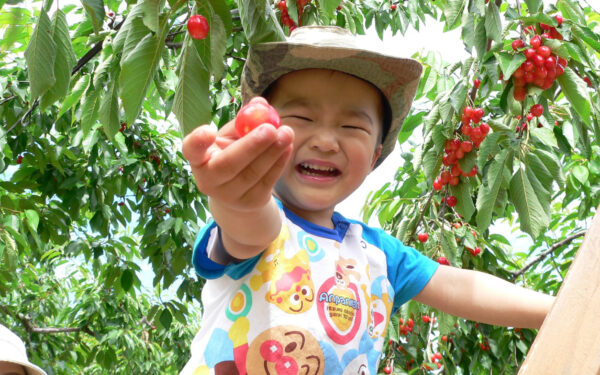
Children aged 3-5 are at the perfect age to get excited about picking cherries. Cherries can be picked with a gentle pinch and pull, with no need for scissors, making it safe for young hands. The thrill of finding shiny red cherries and picking them themselves feels like a treasure hunt -- a truly special experience. Kids also love holding cherries by the stem.
Elementary school-age children can start appreciating variety comparisons. Differences in sweetness between Sato Nishiki and Beni Shuho, the tartness of Takasago -- putting flavor differences into words is a valuable food education experience. Adding a game element, like "Let's find a twin cherry (two fused together)!" makes it even more engaging.
Benefits of Dwarf Tree Cultivation
Cherries are typically grown on trees planted in the ground, not on raised beds like strawberries. However, orchards that keep lower branches or use dwarf rootstock cultivation have fruit at closer to a child's eye level, making the hands-on picking experience easier. Since most orchard floors are dirt or grass, dress children in shoes that can get dirty and comfortable, easy-to-move-in clothes. Cherry juice stains are notoriously difficult to remove, so leave favorite outfits at home.
Varieties
🍒 Cherry Spots
58 spots
Sagae Cherry Paradise
Sagae Sakuranbo Rakuen
Yamagata
¥2,000–
Higashine Cherry Farm
Higashine Sakuranbo Nouen
Yamagata
¥2,100–
Yoichi Cherry Orchard
Yoichi Sakuranbo Sono
Hokkaido
¥2,200–
Itagaki Fruits Cafe Esuparu Sendaiten
Itagaki Fruits Cafe Esuparu Sendaiten
Miyagi
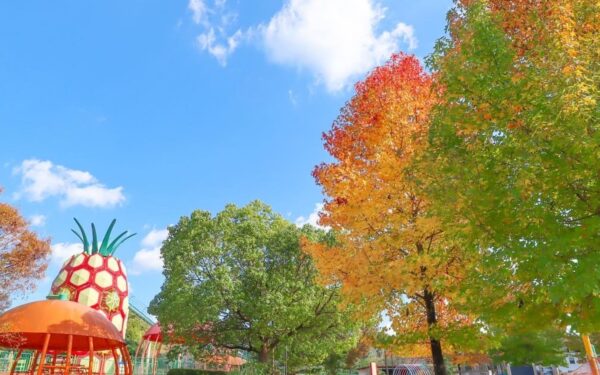
Hamamatsu Fruits Park Toki Yuki Sei
Hamamatsu Fruits Park Toki Yuki Sei
Shizuoka
Free admission (some paid experiences and facilities are available)
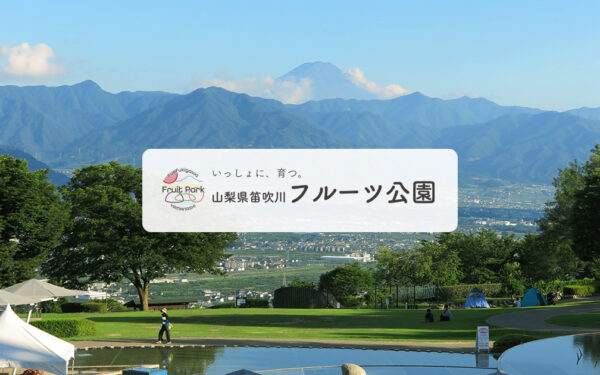
Fuefuki Kawa Fruits Koen
Fuefuki Kawa Fruits Koen
Yamanashi
Free admission (some paid facilities)
JA Nakano City Farm Products Market Oranche
Ja中野市農産物産館 Oranche
Nagano
in-store prices
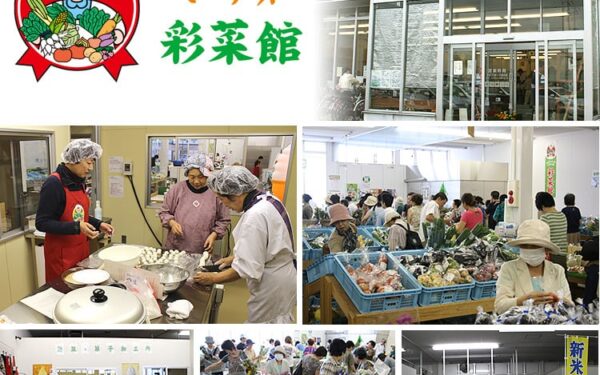
JA Akita Namahage Farmers Market Ayana Kan
Ja秋田なまはげ Faamaazu Market Ayana Kan
Akita
in-store prices
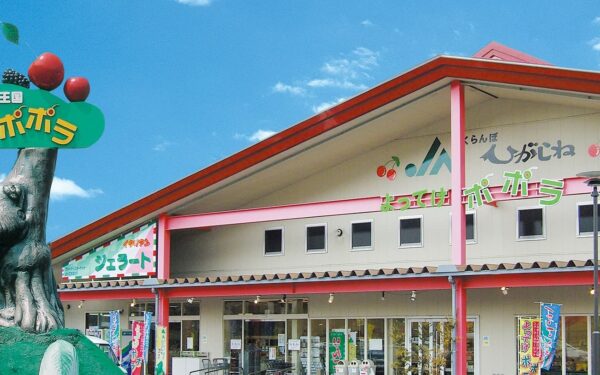
JA Sakuranbo Higashine Farmers Market Yotteke Popora
Jaさくらんぼひがしね Faamaazu Market Yotteke Popora
Yamagata
in-store prices
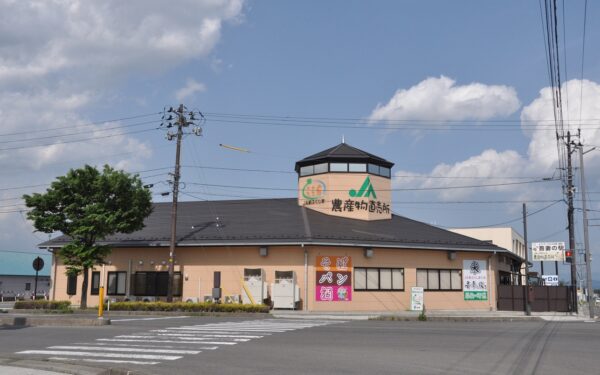
JA Fukushima Mirai Farm Products Direct Sales Kokora Azuma
Jaふくしま未来 Nousanbutsu Chokubai Tokoro Kokora Azuma Mise
Fukushima
in-store prices
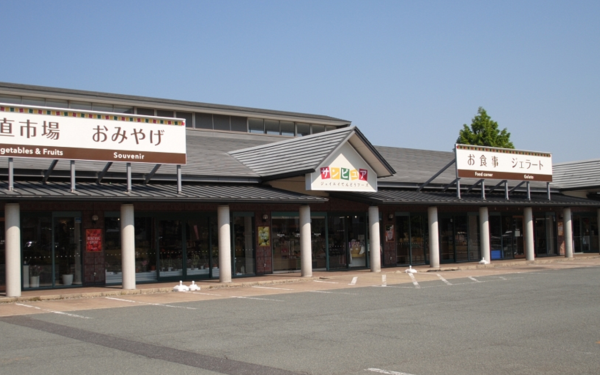
Michi No Eki Tendo Onsen Sanchoku Mise Sanpyua
Michi No Eki Tendo Onsen Sanchoku Mise Sanpyua
Yamagata
in-store prices
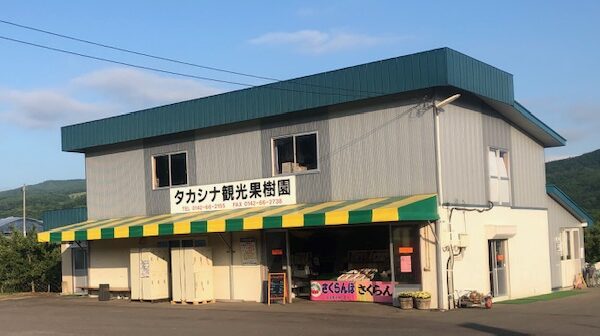
Takashina Kanko Kajuen
Takashina Kanko Kajuen
Hokkaido
in-store prices
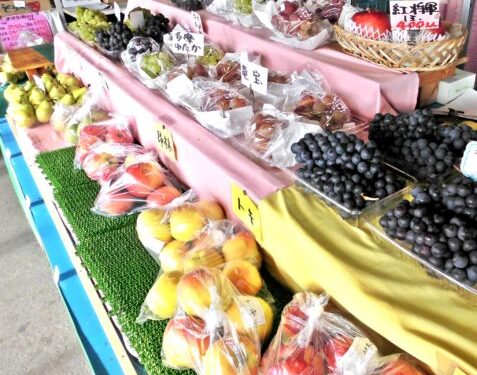
Fujimori Kajuen
Fujimori Kajuen
Hokkaido
in-store prices
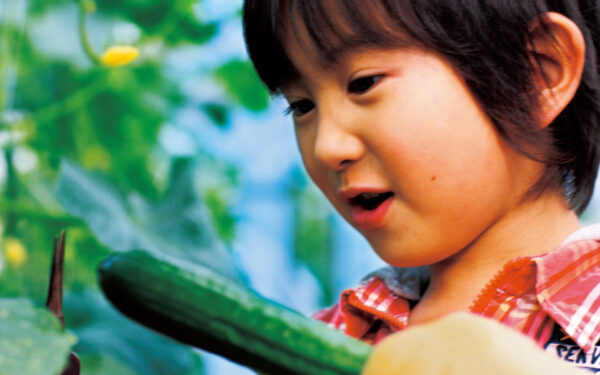
Hokuren Kutto Nou Nofureai Farm Kururuno Mori
Hokuren Kutto Nou Nofureai Farm Kururuno Mori
Hokkaido
in-store prices
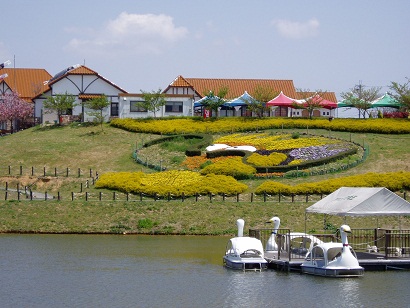
Michi No Eki Agri Park Ryuuou
Michi No Eki Agri Park Ryuuou
Shiga
Free admission. Fruit picking is an additional charge.
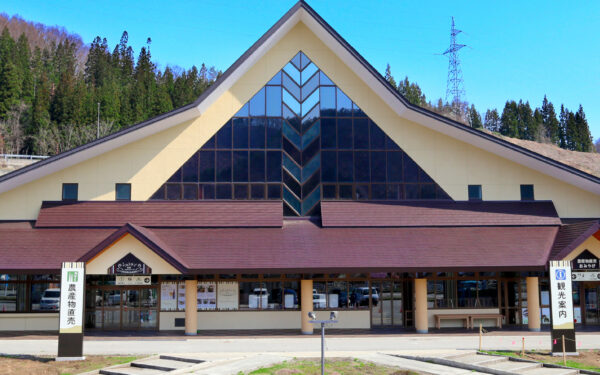
Michi No Eki Nishikawa
Michi No Eki Nishikawa
Yamagata
Free admission. Specialty products are at in-store prices
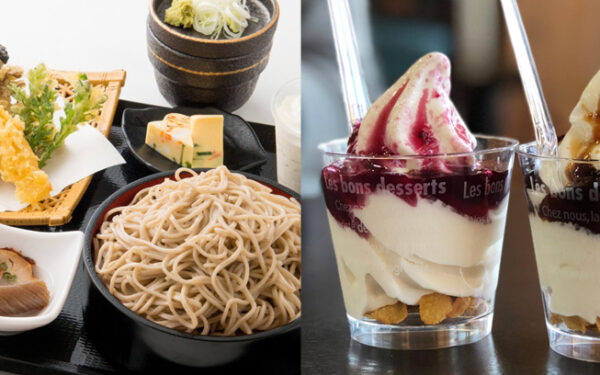
Michi No Eki Juumonji
Michi No Eki Juumonji
Akita
Free admission. Specialty products are at in-store prices
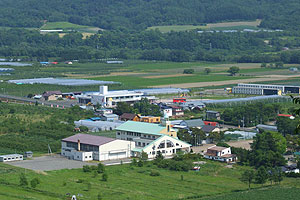
Michi No Eki Soubetsu Jouhoukan I
Michi No Eki Soubetsu Jouhoukan I
Hokkaido
Free admission. Specialty products are at in-store prices
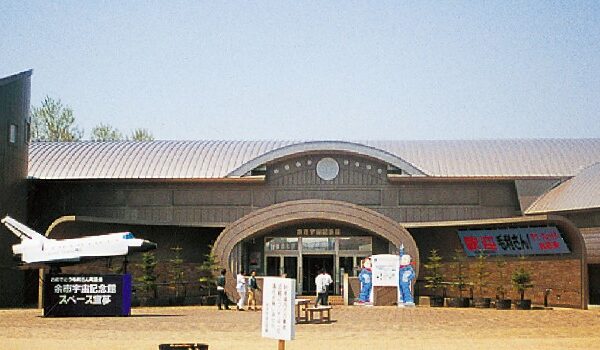
Michi No Eki Supeesu・ Apple Yoichi
Michi No Eki Supeesu・ Apple Yoichi
Hokkaido
Free admission. Specialty products are at in-store prices
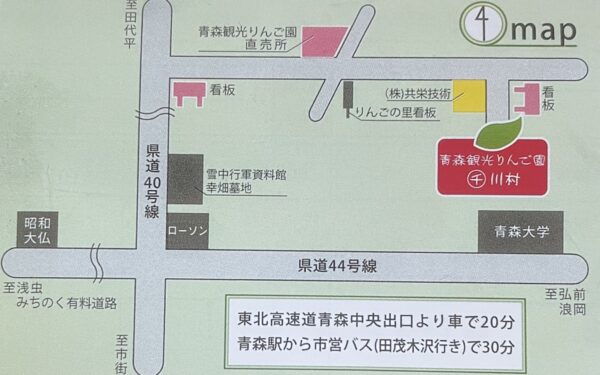
Aomori Kanko Ringo Sono
Aomori Kanko Ringo Sono
Aomori
Adults: 300 yen (3 pieces torn off, admission fee included)
Mori No Nakano Kajuen
Mori No Nakano Kajuen
Aomori
Adults 1,700 yen, Junior high school students and seniors 1,400 yen, Children 1,000 yen, Infants 600 yen
Ono Ringo Sono
Ono Ringo Sono
Nagano
All-you-can-eat apple picking + 1 piece to take home: 500 yen for adults, 300 yen for elementary school students
Shinshuu Fruits Land
Shinshuu Fruits Land
Nagano
All-you-can-eat apples for 30 minutes 400-500 yen, All-you-can-eat grapes for 30 minutes 1,650 yen
Michi No Eki Fukushima
Michi No Eki Fukushima
Fukushima
Free admission. Products are in-store prices
Konno Kajuen
Konno Kajuen
Fukushima
Please check the official website

Marusei Kajuen
Marusei Kajuen
Fukushima
Fruit picking varies depending on the item
Maruyoshi Kanko Kajuen
Maruyoshi Kanko Kajuen
Fukushima
All-you-can-eat peach picking for 30 minutes, etc. (varies depending on item)
Marue Kanko Kajuen
Marue Kanko Kajuen
Fukushima
All-you-can-eat peach picking for 30 minutes: Adults (junior high school students and older) 1,210 yen, Children (4 years old to elementary school students) 990 yen, 3 years old and under free
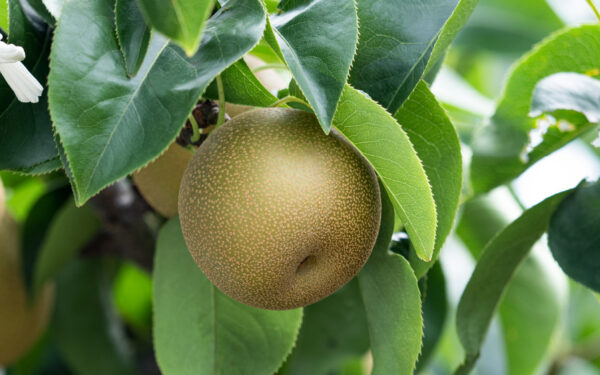
Kudamono Hatake
Kudamono Hatake
Fukushima
Products are in-store prices
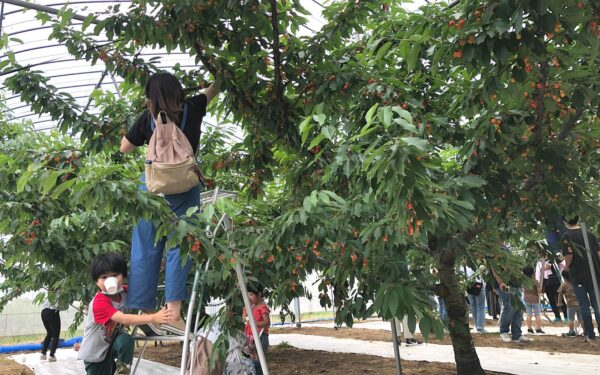
Azuma Kajuen
Azuma Kajuen
Fukushima
All-you-can-eat peach picking for 30 minutes: 1,650 yen for junior high school students and older, 1,320 yen for 4 to elementary school students, free for children 3 and under
Kajitsu No Kuni Kappuruzu
Kajitsu No Kuni Kappuruzu
Kumamoto
Strawberry picking: 2,400 yen for adults, 1,700 yen for elementary school students (varies depending on the season)
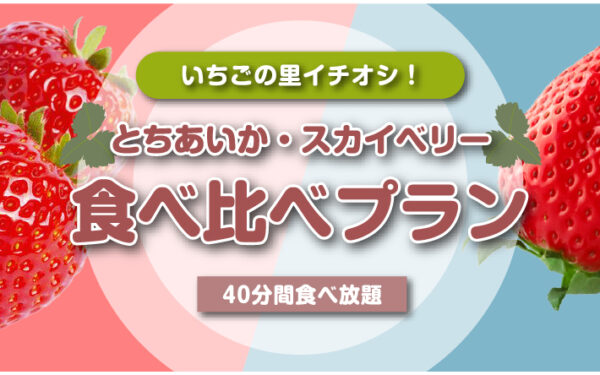
Suroo Life Resort Ichigono Sato
Suroo Life Resort Ichigono Sato
Tochigi
Admission fee: 200 yen for adults, 100 yen for elementary school students (fruit picking fee is separate)
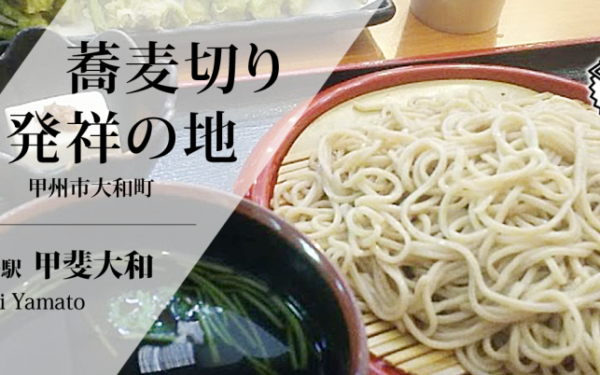
Michi No Eki Kai Yamato
Michi No Eki Kai Yamato
Yamanashi
Free entry
Michi No Eki Shirane Nousanbutsu Chokubai Tokoro
Michi No Eki Shirane Nousanbutsu Chokubai Tokoro
Yamanashi
Kanko Nouen Sakuranbo Touri Itchoume
Kanko Nouen Sakuranbo Touri Itchoume
Yamanashi
Over 6 years old: 2,500 yen, 3-5 years old: 1,200 yen, Under 3 years old: Free (40 minutes all-you-can-eat)
Hagiwara Fruits Nouen
Hagiwara Fruits Nouen
Yamanashi
Please check the official website (picking experience is sold by weight, all-you-can-eat is seated)
Oosawa Nouen
Oosawa Nouen
Yamanashi
Please check the official website
Nakagome Nouen
Nakagome Nouen
Yamanashi
Peach picking souvenir course: Adults 3,300 yen ~, Cherry + peach set: Adults 3,500 yen, Grape picking: Adults 2,000 yen
-600x375.jpg)
Fruits Cafe Beravisuta ( Fruits Park Fujiya Hoteru )
Fruits Cafe Beravisuta ( Fruits Park Fujiya Hoteru )
Yamanashi
Please check the official website
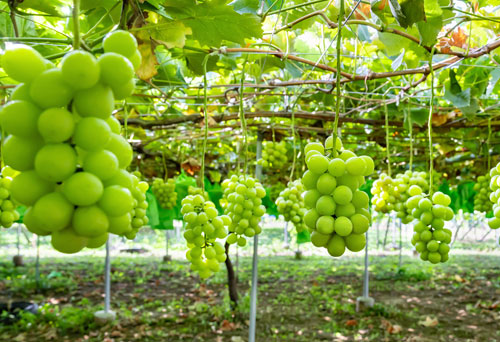
Asunaro Sono
Asunaro Sono
Yamanashi
Please check the official website
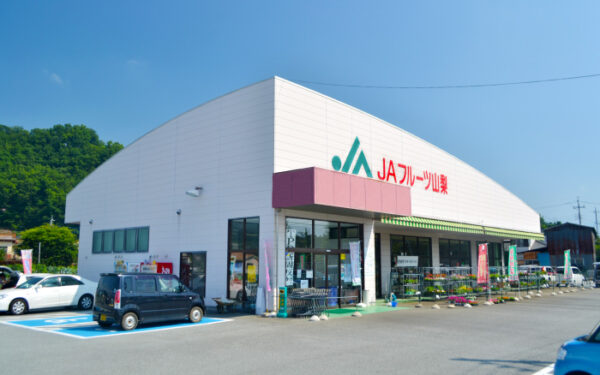
Ja Fruits Yamanashi Chokubai Tokoro Hachiman Mise
Ja Fruits Yamanashi Chokubai Tokoro Hachiman Mise
Yamanashi
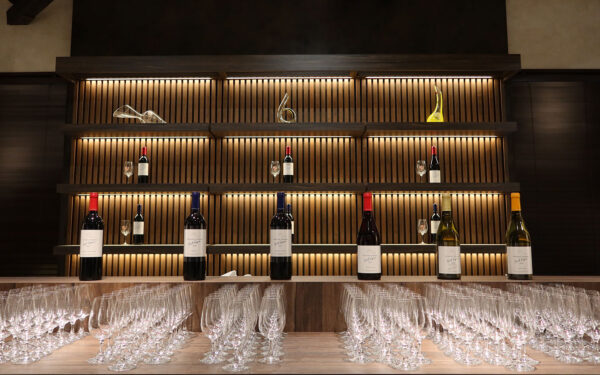
Takahata Winery
Takahata Winery
Yamagata
Factory tour/tasting free
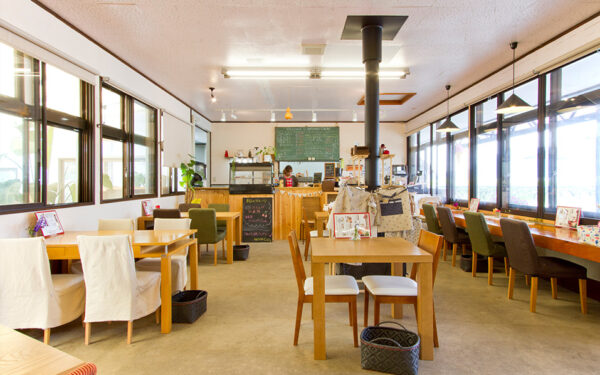
Takahashi Fruits Land Hatake Style
Takahashi Fruits Land Hatake Style
Yamagata
Outdoor cherry picking (Sato Nishiki 30 minutes all-you-can-eat) 1,600 yen for elementary school students and older, 900 yen for 3 years old and older. The greenhouse is 2,700 yen for elementary school students and older. Please check the official website
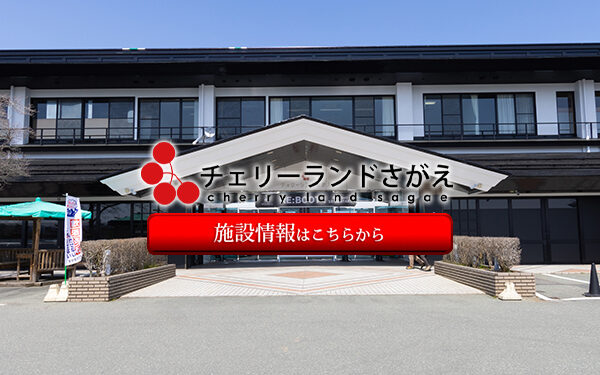
Michi No Eki Sagae Cherry Land Sagae
Michi No Eki Sagae Cherry Land Sagae
Yamagata
Free admission. Products are in-store prices
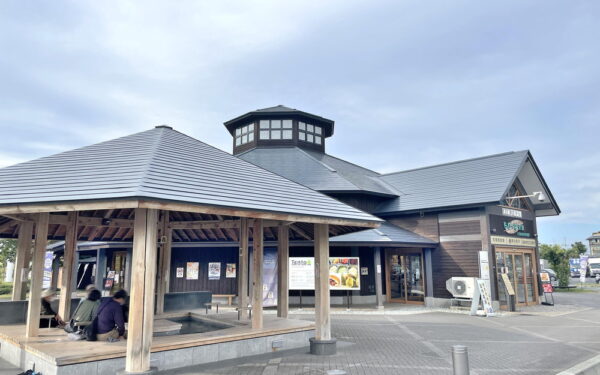
Michi No Eki Tendo Onsen
Michi No Eki Tendo Onsen
Yamagata
Free admission. Footbath "Koma no Yu" is free. Products are in-store prices
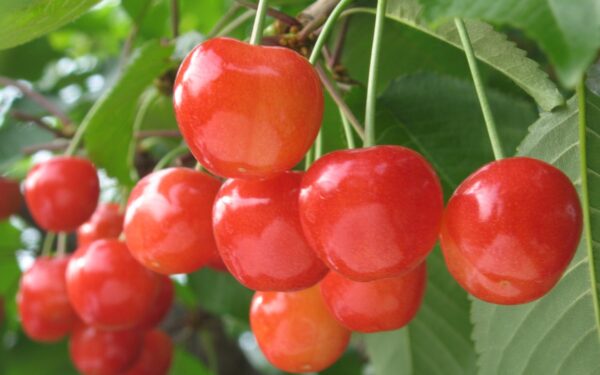
Jinmachi Kanko Kajuen
Jinmachi Kanko Kajuen
Yamagata
60 minutes of apple picking: 1,500 yen for junior high school students and above, 1,000 yen for 4 years old and above
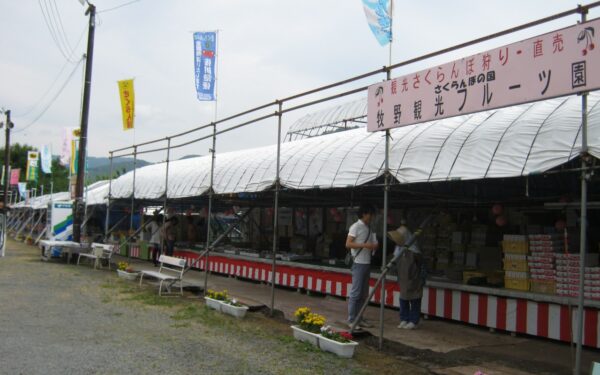
Makino Kanko Fruits Sono
Makino Kanko Fruits Sono
Yamagata
All-you-can-eat cherry picking for 30 minutes: 2,500 yen for junior high school students and above, 1,800 yen for elementary school students, 1,100 yen for 3-5 years old
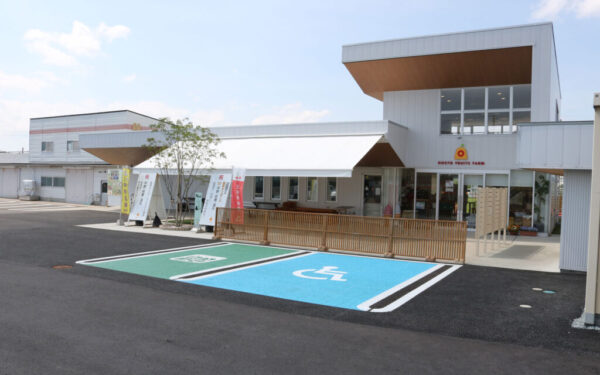
Oushou Kajuen
Oushou Kajuen
Yamagata
Cherry picking Adults (junior high school students and above) 2,500 yen (all-you-can-eat for 30 minutes). Varies depending on variety and season. Please check the official website
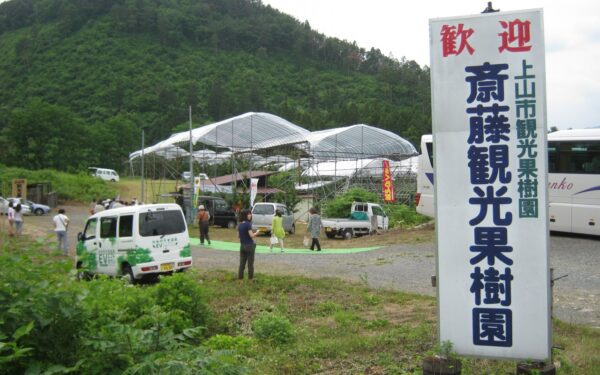
Saitou Kanko Kajuen
Saitou Kanko Kajuen
Yamagata
All-you-can-eat cherry picking for 30 minutes: 2,500 yen for junior high school students and above, 2,000 yen for elementary school students, 1,500 yen for 3 years old and above
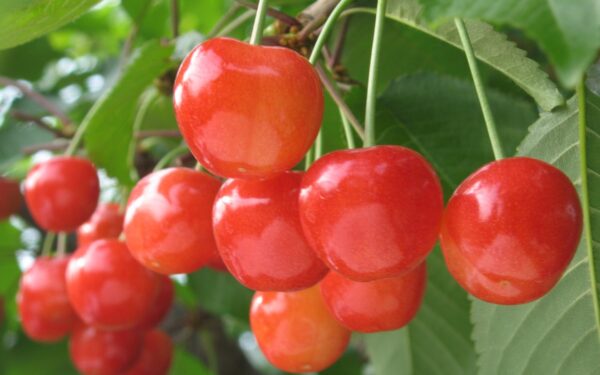
Kou Kaen
Kou Kaen
Yamagata
Unlimited cherry picking time All-you-can-eat Adults 1,800 yen Elementary school students 1,000 yen
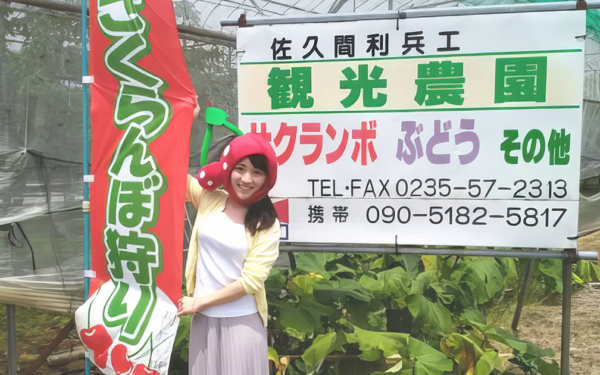
Sakuma Rihee Kanko Nouen
Sakuma Rihee Kanko Nouen
Yamagata
All-you-can-eat cherry picking: 2,400 yen for junior high school students and above, 1,600 yen for elementary school students 2-6, Grape picking 55 minutes, 2,400 yen for middle school students and above
-600x375.jpg)
Nakano Kanko Kajuen ( Nakano Fruits )
Nakano Kanko Kajuen ( Nakano Fruits )
Yamagata
All-you-can-eat cherry picking for 30 minutes: Adults 2,500 yen, Elementary school students 2,000 yen
.jpg)
Kaminoyama Kanko Fruits Sono ( Yamagata Cherry Land )
Kaminoyama Kanko Fruits Sono ( Yamagata Cherry Land )
Yamagata
All-you-can-eat cherry picking for 40 minutes (prices vary depending on variety)
-600x360.jpg)
Oh Show Cafe ( Oushou Kajuen Chokuei )
Oh Show Cafe ( Oushou Kajuen Chokuei )
Yamagata
Please check the official website for parfait prices.
Kanko Nouen Touge Nofumoto Kurenai Kaen
Kanko Nouen Touge Nofumoto Kurenai Kaen
Hokkaido
Unlimited cherry picking time Adults 1,500 yen Children 1,000 yen Infants 600 yen
Murata Kajuen
Murata Kajuen
Hokkaido
Fruit picking: 1,000 yen for junior high school students and above, 800 yen for elementary school students, 500 yen for 3 years old and above (all-you-can-eat without time limit)
Nitori Kanko Kajuen
Nitori Kanko Kajuen
Hokkaido
Fruit picking Varies depending on item and season
Sakuranbo Yama Kanko Nouen
Sakuranbo Yama Kanko Nouen
Hokkaido
Cherry picking Adults 2,000 yen, Children 1,400 yen, Infants 700 yen (includes 100g souvenir)
Frequently Asked Questions
When is Cherry in season?
Where are the main growing regions for Cherry?
Where can I enjoy Cherry?
What is the best way to enjoy Cherry?
Share this fruit
🍒 Cherry — Find on Map
Discover nearby spots on our interactive map