Strawberry
In Season: Jan–May, Dec
🍓 Strawberry
Amaou stands for “red, round, big, delicious” in Japanese — a Fukuoka-exclusive brand. Tochigi has held the top producer title for nearly 50 years.
🍓 Complete Guide to Strawberry Picking
The Appeal of Strawberries and the Joy of Fruit Picking
Bright, glistening red strawberries are one of Japan's most beloved fruits. Their sweet-and-tart flavor, adorable appearance, and the fresh fragrance that fills your mouth the moment you take a bite -- strawberries are cherished by all generations, from children to adults. Japanese strawberries have been refined through extensive breeding, achieving world-class quality in sweetness, size, color, and texture.
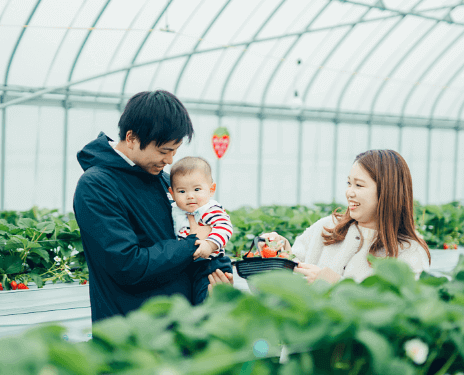
Strawberry picking is one of the most popular fruit-picking activities in Japan. Since the season runs from winter through spring, it is a wonderful way to enjoy an outdoor-style leisure activity even during the cold months, thanks to the warmth of the vinyl greenhouses. Many farms have adopted elevated cultivation (where strawberries grow at chest height), so you can pick without bending down -- making it a comfortable activity for seniors and families with small children in strollers.
The greatest delight of strawberry picking is being able to eat fully ripe strawberries right in the field. Commercially sold strawberries are often harvested slightly unripe to prevent bruising during transport, but at a strawberry-picking farm, you can enjoy berries that are red all the way up to the base of the calyx -- perfectly ripe. The sweetness and fragrance of a fully ripe strawberry is incomparably richer than anything you can buy in a store.
Peak Season and Cultivation Characteristics
The natural season for strawberries is spring to early summer (roughly April to June), but in today's Japan, forced cultivation (greenhouse methods that accelerate growth) has become the mainstream approach, making December through May the practical strawberry season.
Strawberry Picking Season
Most strawberry-picking farms open from late December through late May the following year, though the exact opening and closing dates vary by region and farm.
The earliest period (December to January) coincides with Christmas and New Year demand, and this is considered the time when sweetness is most concentrated. In the cold of winter, strawberries ripen slowly, resulting in higher sugar content. However, prices are typically at their highest during this period.
January through March is the peak season for strawberry picking. The cool temperatures help strawberries last longer in the greenhouses, producing many large, sweet berries. This is a popular period when many farms fill up with reservations, so booking early -- especially for weekends -- is recommended.
From April to May, rising temperatures speed up strawberry growth, increasing the number of berries but slightly decreasing the sweetness of each individual fruit. On the other hand, many farms lower their prices during this period, making it a season with excellent value for money. Many visitors enjoy the final stretch of the season during Golden Week.
Regional Differences
In warmer regions (Shizuoka Prefecture, Chiba Prefecture, and the Kyushu area), many farms open in December, while in colder areas (the Tohoku region and Hokkaido), farms typically open from late January to February. Open-field strawberries are in season from May to June and offer a more robust flavor compared to greenhouse-grown berries.
Variety Guide -- Flavors and Characteristics
More than 300 strawberry varieties are said to be cultivated in Japan. Here is a guide to the most popular varieties you are likely to encounter during strawberry picking.
Tochiotome
Developed in Tochigi Prefecture, Tochiotome has long been one of the most popular varieties supporting Japan's top strawberry production. Its vivid red, conical shape makes it visually striking. Sugar content ranges from 9-15 degrees Brix, with an outstanding balance of sweetness and acidity. The firm flesh provides a satisfying bite, and the juice is plentiful. Its crowd-pleasing flavor appeals to all ages. It is widely cultivated at strawberry-picking farms in the Kanto region, particularly in Tochigi Prefecture. Peak season is December to March.
Tochiaika
A new variety released by Tochigi Prefecture in 2019, Tochiaika is rapidly gaining ground as the successor to Tochiotome. Its vivid red skin and red-all-the-way-through flesh are distinctive features. With high sugar content and mild acidity, it is a perfect choice for those who love sweet strawberries. The berries are large and substantial, and the beautiful red cross-section makes them great for photos. This is a variety that has been rapidly growing in popularity at strawberry-picking farms in recent years.
Amaou
A large-berry variety developed in Fukuoka Prefecture, Amaou gets its name from the Japanese initials for "sweet, round, big, and delicious." Since cultivation is permitted only in Fukuoka Prefecture, Amaou strawberry picking can only be experienced in Fukuoka. The berries are round and large, with individual fruits commonly exceeding 40g. Sugar content is 9-11 degrees Brix, and the minimal acidity lets you taste the sweetness directly. The firm flesh delivers a highly satisfying eating experience. Peak season is December to May.
Benihoppe
An original variety from Shizuoka Prefecture, Benihoppe was named for being "so delicious your cheeks will fall off" (a Japanese expression for extremely tasty food). Its defining feature is the vivid crimson color that extends not just through the skin but all the way to the center of the flesh. It offers a rich, deep flavor with not only sweetness but also a pleasant acidity that gives the taste real depth. Sugar content is a high 11-13 degrees Brix, making it the ideal choice for those seeking that classic sweet-and-tart strawberry taste. It is widely grown at farms in Shizuoka Prefecture and throughout the Kanto region.
Sagahonoka
Developed in Saga Prefecture, this variety is commonly found at strawberry-picking farms in the Kyushu region. Its pale flesh is a distinctive feature, and it has very little acidity, instead offering a gentle sweetness. Its mild flavor makes it easy for children to enjoy, and it ranks alongside Amaou as a popular variety for strawberry picking in Kyushu.
Sky Berry
A large-berry variety developed by Tochigi Prefecture, Sky Berry is a premium variety that combines size, beauty, and flavor. The berries are conical and notably large, with many exceeding 25g. They have a lustrous, vivid red appearance, with a well-balanced sweetness and acidity and an elegant taste. Sky Berry strawberry picking is available at select farms in Tochigi Prefecture.
Tips for Comparing Varieties
When enjoying multiple varieties during strawberry picking, start by eating one berry of each variety to note the flavor differences, then focus on your favorite variety as you continue. Even within the same variety, taste can differ depending on size and degree of redness, so comparing large and small berries, or deeply red versus lighter-colored ones, can lead to interesting discoveries.
Tips and Ways to Enjoy Strawberry Picking
How to Spot Delicious Strawberries
Here are some tips for choosing the best strawberries from among the many in the greenhouse.
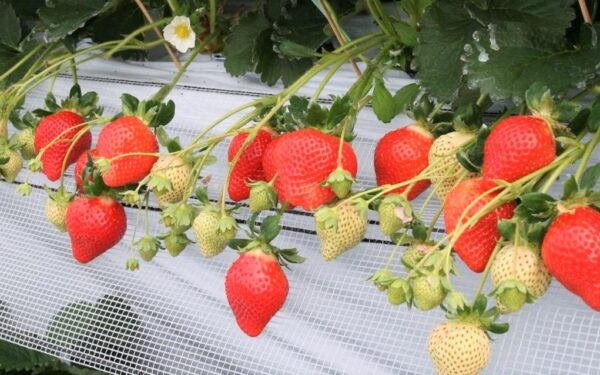
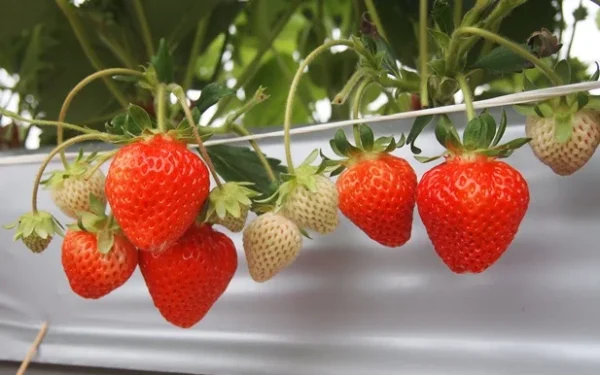
Berries with a calyx (the green leafy top) that curls upward and back are a sign of full ripeness. A strawberry with its calyx pointing up and arching back has ripened fully and developed maximum sweetness. Conversely, if the calyx is pressing down flat against the berry, it may not yet be fully ripe.
Choose berries where the tiny bumps (seeds) on the surface are raised and prominent. The small dots on a strawberry's surface are actually seeds, and as the berry fully ripens, the flesh swells and pushes the seeds outward. If the seeds appear sunken, the berry is still developing.
Berries that are uniformly red all the way up to the base of the calyx are fully ripe throughout. If only the tip is red while the area near the stem is still white, the berry has not fully ripened yet and would benefit from more time.
Additionally, berries with a glossy, shiny surface tend to be fresh and flavorful.
How to Pick Properly
When picking a strawberry, lightly pinch the stem just above the calyx between your thumb and index finger, then twist your wrist to snap it off. Gripping the fruit itself will bruise it, so always hold the stem. The trick is to use a light touch and a quick twist of the wrist.
The Best Way to Eat Them
Eating a strawberry from the calyx end (the base) toward the tip lets you finish with the sweetest part -- the tip -- leaving a stronger impression of sweetness. If you eat from the tip first, you end with the slightly more acidic base, which is a missed opportunity.
Dipping strawberries in condensed milk or chocolate sauce is also popular, but try eating the first few plain to appreciate the natural flavor of each variety. Fully ripe strawberries are sweet enough to enjoy without any toppings at all.
What to Bring and What to Wear
Strawberry picking takes place inside vinyl greenhouses, so even when it is cold outside, it can be quite warm inside. While you might bundle up in winter, wearing layers that are easy to remove is the way to go. Coats and heavy down jackets become cumbersome inside the greenhouse, so a light outer layer with mid-weight pieces underneath works best.
For footwear, greenhouse walkways can sometimes be damp with soil and water, so wear shoes you do not mind getting dirty. Heeled shoes are not suitable.
As for things to bring, wet wipes (your hands will get sticky from the juice) and a drink (greenhouses can get surprisingly warm) are essentials. Many farms provide condensed milk, but you can also bring your own favorite dipping sauces for extra fun.
Major Growing Region Guide
Tochigi Prefecture (Moka, Kanuma, Haga, etc.)
Tochigi Prefecture has held the title of Japan's number-one strawberry producer for over 50 years, earning it the nickname "Strawberry Kingdom." The entire prefecture accounts for approximately 16% of national production, and it is home to Tochigi-original varieties including Tochiotome, Tochiaika, and Sky Berry. Access from Tokyo is about 1.5-2 hours by car, or about 50 minutes to 1 hour to Utsunomiya Station via the JR Utsunomiya Line or JR Tohoku Shinkansen. Day trips that combine strawberry picking with Utsunomiya gyoza and other local cuisine are also popular.
Fukuoka Prefecture (Chikuzen, Yame, Ukiha, etc.)
As the home of Amaou, Fukuoka Prefecture boasts the second-largest strawberry production in Japan. Since Amaou can only be grown in Fukuoka, anyone wanting to experience Amaou picking must make the trip to Fukuoka. Many strawberry-picking farms are located within a 30-minute to 1-hour drive from Hakata or Tenjin.
Shizuoka Prefecture (Shizuoka City, Izu Area, etc.)
Known as the home of Benihoppe, Shizuoka is one of Japan's leading strawberry-producing prefectures. The mild climate allows for a long strawberry-picking season from December through May. The Izu Peninsula has many farms integrated with tourist attractions, and plans that combine strawberry picking with hot spring getaways or coastal drives are popular.
Chiba Prefecture (Sammu, Tateyama, etc.)
Close to Tokyo, Chiba is a popular destination for easy day-trip strawberry picking. Many farms are located within about one hour's drive from central Tokyo, and the Aqua-Line expressway provides convenient access to southern Chiba Prefecture. Visitors can enjoy a range of varieties including Tochiotome and Benihoppe.
Frequently Asked Questions
Q. How much does strawberry picking cost?
A distinctive feature of strawberry picking is that prices fluctuate by season. During the most expensive period of December to January, expect around 2,000-2,500 yen per adult. From February to March, prices are typically 1,500-2,000 yen, and from April to May, around 1,000-1,800 yen. For premium varieties like Amaou or Sky Berry, an additional charge may apply.
Q. What is the time limit?
A 30-minute all-you-can-eat session is the most common format, though some farms offer 40 or 60 minutes. While 30 minutes might sound short, it is actually more than enough time to eat your fill. Most adults eat around 20-40 strawberries in 30 minutes.
Q. What is the best time of day for strawberry picking?
Right after opening in the morning is best. First thing in the morning, the selection is at its fullest, with plenty of large, ripe strawberries to choose from. By the afternoon, the best berries have already been picked, and only smaller ones tend to remain. Weekends get especially crowded, so arriving at opening time is ideal.
Q. Do I need a reservation?
Most popular farms require reservations. Weekends, holidays, school spring breaks, and Golden Week fill up especially fast, so booking one to two weeks in advance is recommended. Some farms accept walk-ins on weekdays, but calling ahead or checking the website is always a good idea.
Q. Is condensed milk provided?
Many farms provide condensed milk free of charge. Some offer unlimited refills while others give one serving per person. Some farms also provide chocolate sauce or whipped cream, letting you enjoy your strawberries in a variety of ways. That said, fully ripe strawberries are sweet enough on their own, so try eating the first few plain to appreciate the natural flavor. Bringing your own favorite dipping sauces is also a fun option.
Q. What is the difference between elevated and ground-level cultivation?
Elevated cultivation is a method where strawberry plants are grown at waist to chest height, allowing you to pick comfortably while standing. The walkways are kept clean, and the setup is accessible for strollers and wheelchairs. Ground-level cultivation is the traditional method where strawberries grow close to the ground, requiring you to crouch down to pick. However, some people feel the berries taste richer because the plants draw more nutrients directly from the soil. Which is better comes down to personal preference, but for groups with small children or elderly members, elevated cultivation farms are the more comfortable choice.
Nutrition and Health Benefits
Strawberries are a highly nutritious fruit boasting one of the highest vitamin C contents among all fruits. According to the Standard Tables of Food Composition in Japan (8th edition), raw strawberries contain 62mg of vitamin C per 100g of edible portion. Since the recommended daily vitamin C intake for adults is 100mg, eating just 7-8 medium strawberries (about 150g) is enough to meet your full daily requirement. Vitamin C is a potent antioxidant that supports collagen production to help maintain skin firmness and elasticity, and also contributes to strengthening the immune system.
Another noteworthy nutrient in strawberries is folate. At 90 micrograms per 100g, strawberries have an exceptionally high folate content among fruits. Folate is a B vitamin essential for cell division and growth, and is considered particularly important for women in early pregnancy, playing a role in the healthy development of the fetus. For those planning a pregnancy or currently pregnant, strawberries are a delicious way to get folate naturally.
Potassium is present at 170mg per 100g, helping to regulate sodium balance in the body and contributing to the prevention of high blood pressure. Dietary fiber totals 1.4g per 100g (0.5g soluble, 0.9g insoluble), with the soluble fiber pectin supporting improved gut health. At just 31 kcal per 100g, strawberries are low in calories, making them a fruit you can enjoy freely even while watching your diet.
The red pigment in strawberries comes from anthocyanins, a type of polyphenol, with redder-fleshed varieties containing more of it. Anthocyanins have antioxidant properties and have been reported to help reduce eye strain and support cardiovascular health. Strawberries also contain ellagic acid, another polyphenol said to inhibit the production of melanin pigment, drawing attention for its potential skin-brightening effects.
With all these nutritional benefits, eating freshly picked strawberries at the farm allows you to consume these nutrients at their peak freshness. Since vitamin C content decreases over time after harvest, the luxury of eating just-picked berries at the orchard offers significant nutritional benefits in addition to superior taste.
Storage Tips and Taking Strawberries Home
How to Transport Strawberries from the Farm
If you purchase strawberries to take home from your picking outing, handle them with care since strawberries bruise very easily. Place the berries calyx-side down in a container, making sure they do not stack on top of each other. Farms often provide dedicated packing containers, but bringing your own cooler bag and ice packs will prevent temperature from rising during the car ride home. Keep them out of direct sunlight and in the most vibration-free spot possible during transport.
Refrigeration, Room Temperature, and Freezing Techniques
Strawberries do not ripen further after harvest, so room-temperature storage is not ideal. Refrigerate them in the vegetable crisper as soon as you get home. The key is not to wash them until just before eating -- moisture promotes mold. If storing in the original pack container, placing a paper towel at the bottom will absorb excess moisture. Leaving the calyxes attached also helps maintain freshness. Refrigerated strawberries will keep for about 2-3 days.
To freeze strawberries, remove the calyxes, wash them, dry them thoroughly, then place them in a freezer bag. Sprinkling sugar over them before freezing helps prevent them from becoming watery when thawed and makes them easier to use as jam or smoothie ingredients. Frozen strawberries keep for about a month and have an ice cream-like texture when eaten semi-thawed.
How to Tell When Strawberries Are at Their Best
The basic sign that a strawberry is at its best is uniform red color all the way up to the calyx. If white patches remain around the calyx area, the berry is not yet fully ripe. Fresh, delicious strawberries have a glossy surface with clearly defined seeds (the tiny bumps). A strong sweet fragrance indicates a high degree of ripeness. When strawberry picking, look for berries that are completely red throughout.
Best Season Month-by-Month -- Variety Relay Calendar
Strawberry picking is a winter-to-spring activity available from December through May. Since it is centered around greenhouse cultivation, it is largely unaffected by weather, and you can enjoy it even on rainy days -- a major advantage. The ideal timing differs by variety and region, so here is a month-by-month breakdown.
Visiting in December-January -- An Early-Season Indulgence
December marks the opening of strawberry-picking season. As greenhouse strawberries produce their first berries, the plants' energy is concentrated into large fruits with high sugar content. Popular varieties like Benihoppe, Akihime, and Tochiotome are all available. Prices tend to be at their highest for the season, but the quality of the strawberries more than justifies the cost. This period is also popular as a family activity during the year-end and New Year holidays.
Visiting in February-March -- The Golden Period
February and March represent the golden age of strawberry picking. The plants have settled into stable production, and both flavor and quantity are at their best. Sweetness increases as daylight hours grow longer. Many farms offer multiple varieties simultaneously, making this the perfect time for side-by-side tasting. Flagship varieties from each growing region -- Amaou, Benihoppe, Yayoihime, Sky Berry -- all reach their peak. This is also the most popular season and reservations fill up quickly, so booking early is advisable.
Visiting in April-May -- Great Value at Season's End
From April onward, the season enters its final stretch, and many farms lower their prices. While rising temperatures tend to produce slightly smaller berries, the fruits have soaked up plenty of sunshine and are still plenty sweet, making this a period of excellent value. Some farms remain open through Golden Week, making strawberry picking a popular spring outing. However, more and more farms close by mid-May, so be sure to check operating schedules in advance.
Tips for Families with Children
Choosing a Child-Friendly Farm
Strawberry picking is one of the most popular fruit-picking activities for families with children. The first thing to look for when choosing a farm is whether they use elevated cultivation. In elevated cultivation, strawberry plants are arranged on benches about 80-100cm above the ground, allowing you to pick while standing. This is convenient for adults, but especially great for children since the strawberries are right at their eye level, creating a treasure-hunt-like experience.
Enjoying Strawberry Picking by Age Group
Children aged 0-2 are often drawn to the bright red color of strawberries, and the experience typically centers on eating berries picked by a parent. Cut them into small pieces before giving them to your child. Check in advance whether the farm allows strollers and whether there is room for strollers inside the greenhouse. Elevated-cultivation greenhouses tend to have wider aisles, making stroller navigation easier.
Children aged 3-5 will be captivated by the experience of picking strawberries with their own hands. Teach them the proper technique -- holding the stem just above the calyx and giving a quick twist of the wrist. With elevated cultivation, the berries are within easy reach, so children can fully enjoy the satisfaction of picking their own.
For elementary school-age children, comparing different varieties becomes an enjoyable experience. Putting the differences into words -- "this one is sweet," "that one is more tart" -- helps develop their palate and expressive skills, turning the outing into a food education opportunity.
Benefits of Elevated Cultivation
Elevated cultivation offers major benefits for families with children. There is no need to crouch down, so you can pick while using a baby carrier or pushing a stroller, and the maintained walkways provide a safe environment. Additionally, since the plants are grown above ground level, the berries stay cleaner and more hygienic. Today, many strawberry-picking farms have adopted elevated cultivation, so families with children are encouraged to prioritize farms that offer this setup.
Varieties
🍓 Strawberry Spots
148 spots
Amaou Chikugo Farm
Amaou Chikugo Nouen
Fukuoka
¥1,900–
Tochinomi Strawberry Farm
Tochino Mi Ichigo Sono
Tochigi
¥1,800–
Kiryu Strawberry Farm
Kiryuu Ichigo Farm
Gunma
¥1,700–
Ibusuki Strawberry Farm
Ibusuki Ichigo Farm
Kagoshima
¥1,600–
Itagaki Fruits Cafe Esuparu Sendaiten
Itagaki Fruits Cafe Esuparu Sendaiten
Miyagi
Sanzu Fruits Parlor Ka Kura
Sanzu Fruits Parlor Ka Kura
Miyagi
Shirone Grape Garden Cafe
Shirone Grape Garden Cafe
Niigata
Kureepu House Kajitsu No Hoshino Ya
Kureepu House Kajitsu No Hoshino Ya
Niigata
Beji Kakeru
Beji Kakeru
Nagano
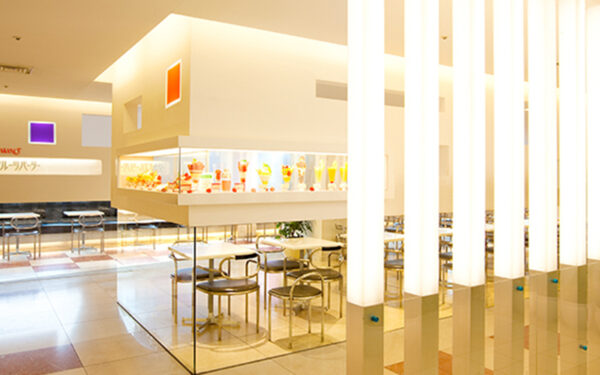
Takano Fruits Parlor Shinjuku Honten
Takano Fruits Parlor Shinjuku Honten
Tokyo
Parfait 1,500-3,000 yen / Fruit Sandwich 1,200-1,800 yen
Senbiki Ya Souhonten Fruits Parlor
Senbiki Ya Souhonten Fruits Parlor
Tokyo
Ginza Senbiki Ya Fruits Parlor Ginza Honten
Ginza Senbiki Ya Fruits Parlor Ginza Honten
Tokyo
Shibuya Nishimura Fruits Parlor
Shibuya Nishimura Fruits Parlor
Tokyo
Kajitsu Sono Riiberu Meguro Mise
Kajitsu Sono Riiberu Meguro Mise
Tokyo
Mizu Shin Fruits Parlor
Mizu Shin Fruits Parlor
Kanagawa
Fruits Parlor Hironori Ya Ikeshita Honten
Fruits Parlor Hironori Ya Ikeshita Honten
Aichi
Niwa Fruits
Niwa Fruits
Aichi
Aroo Tree Karasuma
Aroo Tree Karasuma
Kyoto
Nakajima Sono Nouen Cafe
Nakajima Sono Nouen Cafe
Shizuoka
Matsumoto Fruits
Matsumoto Fruits
Shizuoka
Kannon Yama Fruits Parlor Koubeten
Kannon Yama Fruits Parlor Koubeten
Hyogo
Fruit Cafe Saita
Fruit Cafe Saita
Hyogo
Kannon Yama Fruits Parlor Wakayama Honten
Kannon Yama Fruits Parlor Wakayama Honten
Wakayama
Fruits Koubou Efu ( Matsuki Kajuen )
Fruits Koubou Efu ( Matsuki Kajuen )
Fukuoka
Tenmonkan Kajitsu Dou
Tenmonkan Kajitsu Dou
Kagoshima

Awohata Jam Dekki
Awohata Jam Dekki
Hiroshima
Jam making experience 1,000 yen (for junior high school students and above, set of 4 bottles), factory tour course free
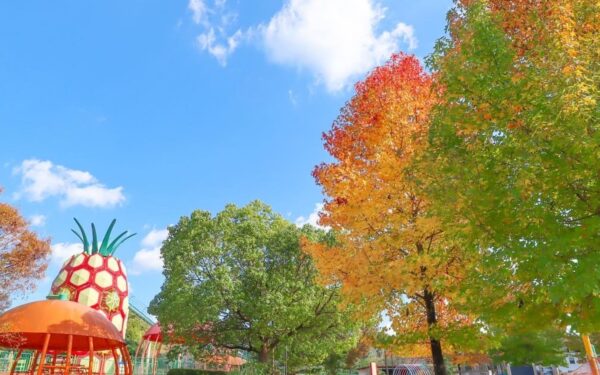
Hamamatsu Fruits Park Toki Yuki Sei
Hamamatsu Fruits Park Toki Yuki Sei
Shizuoka
Free admission (some paid experiences and facilities are available)
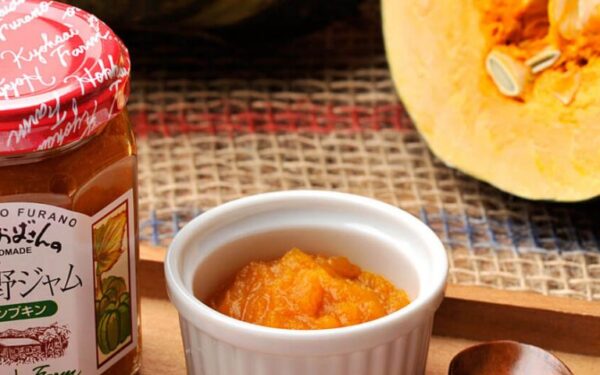
Furano Jam Sono
Furano Jam Sono
Hokkaido
Free entry
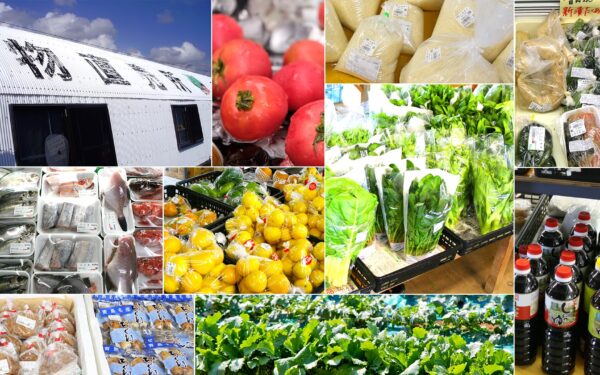
Nousanbutsu Chokubai Tokoro Konohana Shi
Nousanbutsu Chokubai Tokoro Konohana Shi
Miyazaki
in-store prices
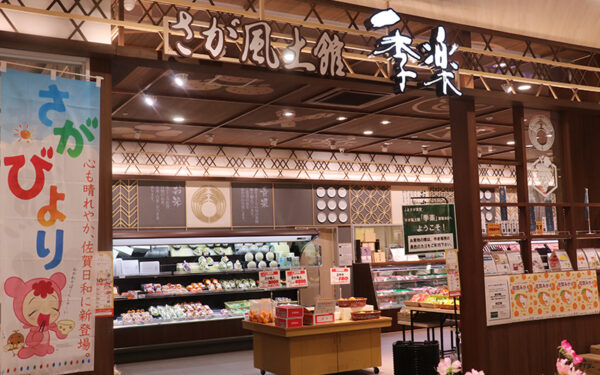
Saga Fuudo Kan Ki Raku Chokuhan Honten
Saga Fuudo Kan Ki Raku Chokuhan Honten
Saga
in-store prices
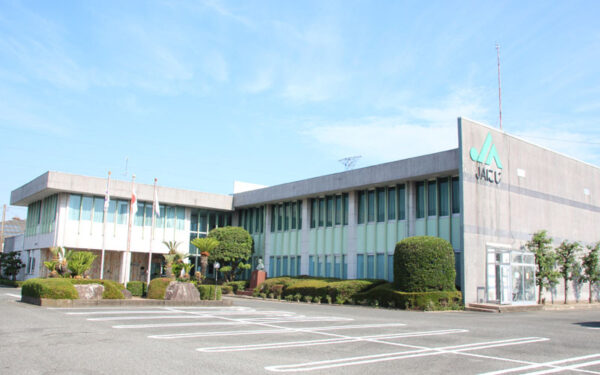
Nijino Minou No Sato Manten Shijou
Nijino Minou No Sato Manten Shijou
Fukuoka
in-store prices
JA Itoshima Sanchoku Shijou Itonasai
Ja糸島 Sanchoku Shijou Ito Na Sai
Fukuoka
in-store prices
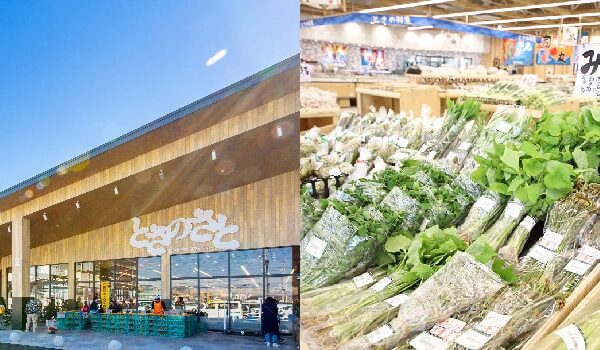
JA Farmers Market Tosanosato
Jaファーマーズ Market Tosanosato
Kochi
in-store prices
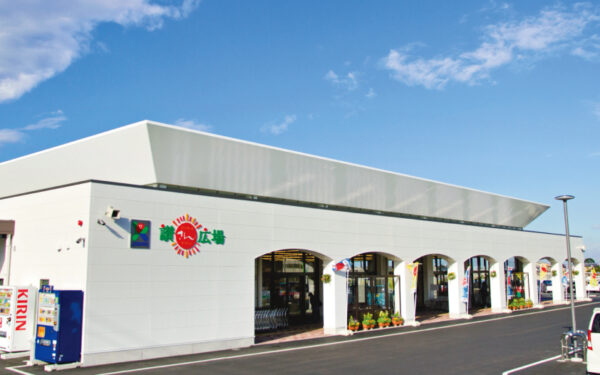
JA Kagawa Farmers Market Sansan Hiroba Iiyama
Ja香川県 Faamaazu Market San San Hiroba Iiyama Mise
Kagawa
in-store prices
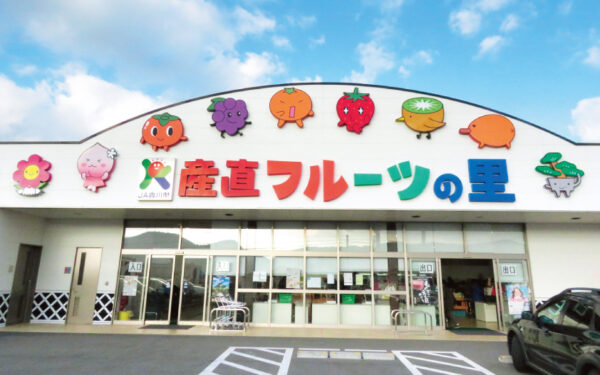
JA Kagawa Fruits-no-Sato
Ja香川県 Fruits No Sato
Kagawa
in-store prices
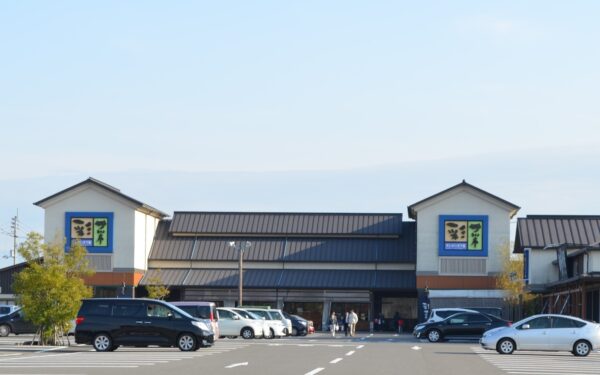
Saisaikite Ya
Saisaikite Ya
Ehime
in-store prices
Nou Sai Kan Itsukaichi Faamaazu Market
Nou Sai Kan Itsukaichi Faamaazu Market
Hiroshima
in-store prices
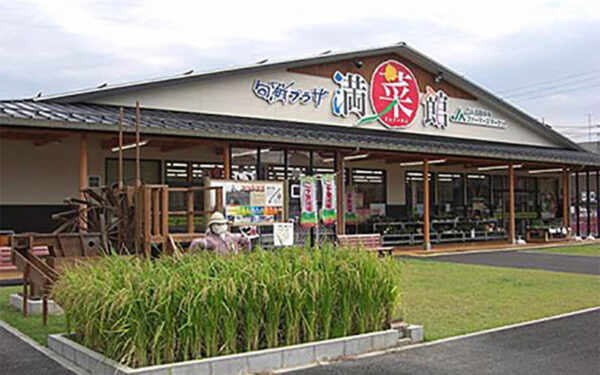
Jun Sen Plaza Man Saikan
Jun Sen Plaza Man Saikan
Tottori
in-store prices
-600x375.webp)
JA Osaka Hokubu Hokusai Kan
Ja大阪北部 Hoku Sai Kan
Osaka
in-store prices
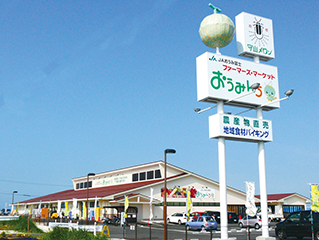
JA Lake Shiga Farmers Market Ouminchi
Jaレーク滋賀 Faamaazu Market Ouminchi
Shiga
in-store prices
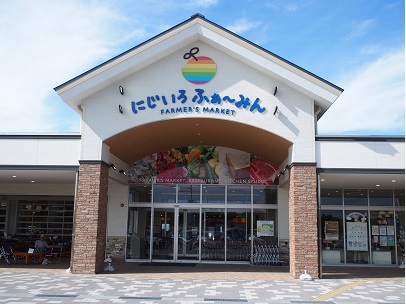
JA Hyogo Minami Nijiiro Farm
Ja兵庫南 Nijiirofa ~ Min
Hyogo
in-store prices
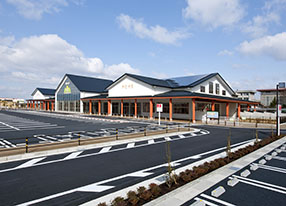
JA Naraken Mahoroba Kitchen Kashihara
Jaならけん Mahoroba Kitchin Kashihara Mise
Nara
in-store prices
Faamaazu Market Aridakko
Faamaazu Market Aridakko
Wakayama
in-store prices
Fruits Shop Yume Sai Kan
Fruits Shop Yume Sai Kan
Aichi
in-store prices
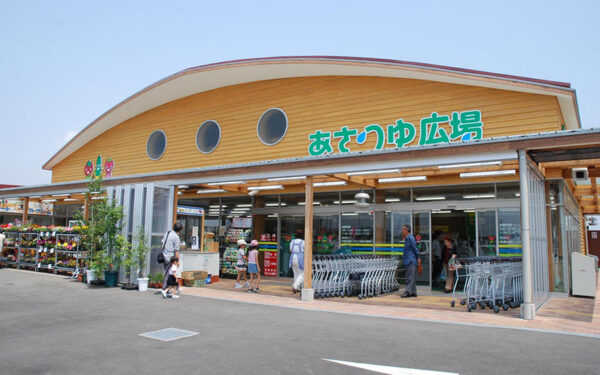
JA Shonan Asatsuyu Hiroba
Ja湘南 Asatsuyu Hiroba
Kanagawa
in-store prices
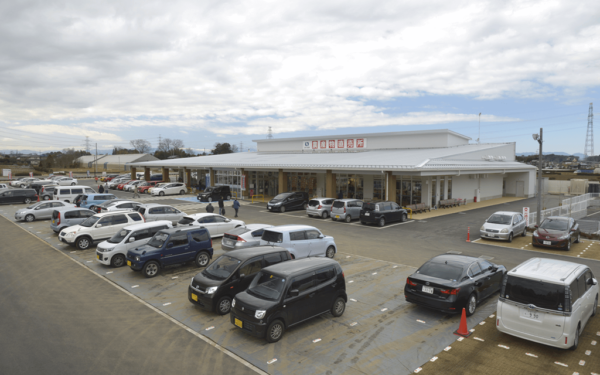
JA Irumano Farm Products Direct Sales Aguresshu Genki Mura
Jaいるま野 Nousanbutsu Chokubai Tokoro Aguresshugenki Mura
Saitama
in-store prices
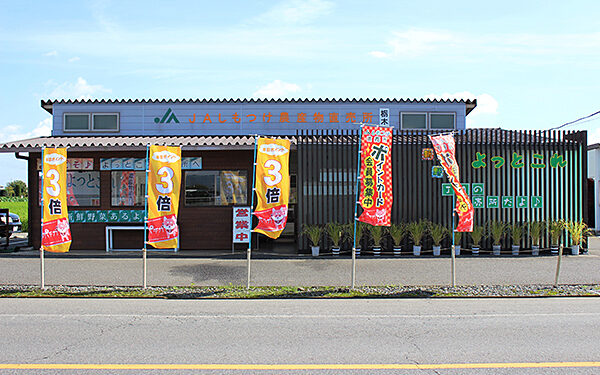
JA Shimotsuke Tochigi Farm Products Direct Sales Yottokore
Jaしもつけ Tochigi Nousanbutsu Chokubai Tokoro Yottokore
Tochigi
in-store prices
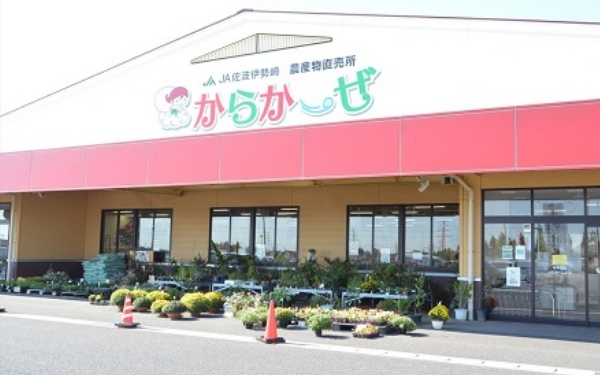
JA Sawa-Isesaki Farmers Market Karakaze
Ja佐波伊勢崎 Faamaazu Market Karaka ~ Ze
Gunma
in-store prices
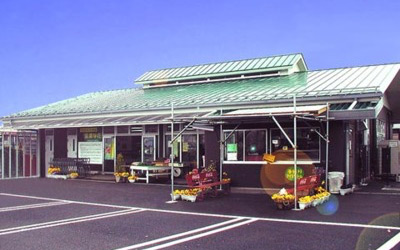
Sano Kanko Nouen Agri Town
Sano Kanko Nouen Agri Town
Tochigi
in-store prices
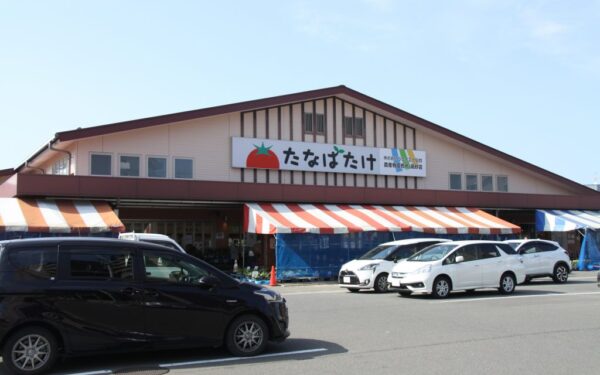
JA Sendai Farm Products Direct Sales Tanabatake Takasago
Ja仙台 Nousanbutsu Chokubai Tokoro Tanabatake Takasago Mise
Miyagi
in-store prices
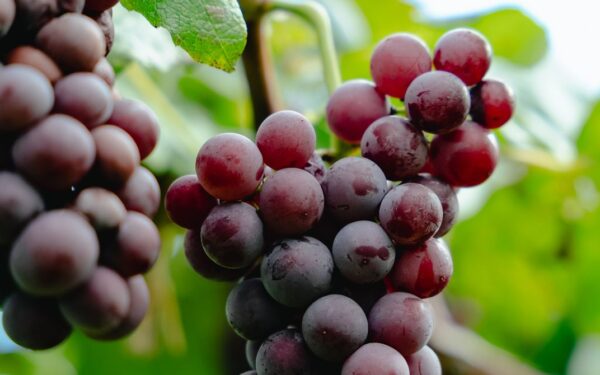
Hakkou Gakuen Nousanbutsu Chokubai Tokoro
Hakkou Gakuen Nousanbutsu Chokubai Tokoro
Hokkaido
in-store prices
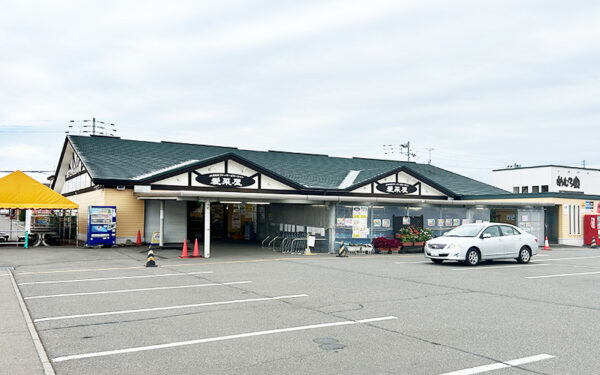
JA Memuro Farmers Market Ainaya
Jaめむろファーマーズ Market Aina Ya
Hokkaido
in-store prices
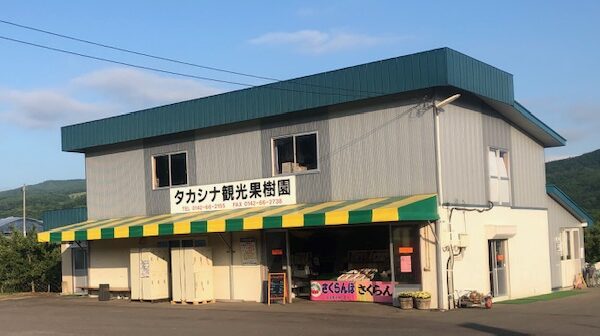
Takashina Kanko Kajuen
Takashina Kanko Kajuen
Hokkaido
in-store prices
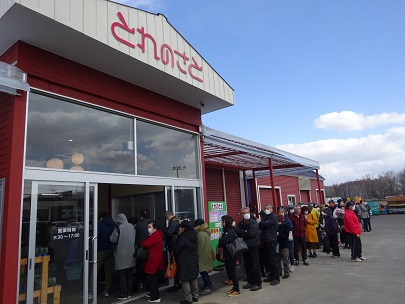
JA Sapporo Jimono Ichiba Torenosato
Jaさっぽろ地物市場とれのさと
Hokkaido
in-store prices
Hokuren Kutto Nou Nofureai Farm Kururuno Mori
Hokuren Kutto Nou Nofureai Farm Kururuno Mori
Hokkaido
in-store prices
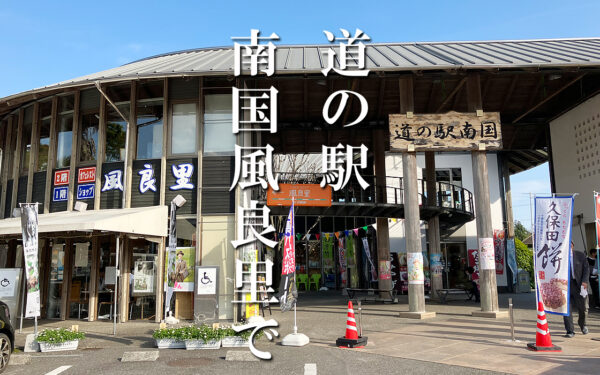
Michi No Eki Nangoku Kaze Ryou Sato
Michi No Eki Nangoku Kaze Ryou Sato
Kochi
Free admission. Specialty products are at in-store prices
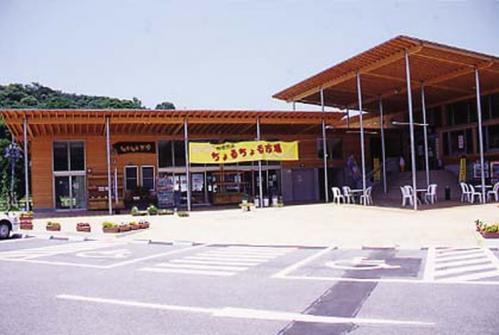
Michi No Eki Kunimi
Michi No Eki Kunimi
Oita
Free admission. Specialty products are at in-store prices

Michi No Eki Ooki
Michi No Eki Ooki
Fukuoka
Free admission. Specialty products are at in-store prices
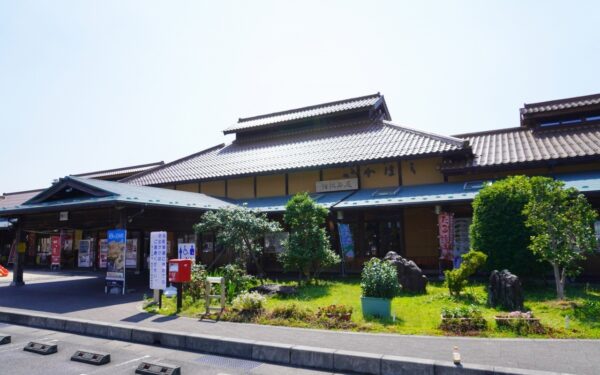
Michi No Eki Seiryuu Chaya Kawahara
Michi No Eki Seiryuu Chaya Kawahara
Tottori
Free admission. Specialty products are at in-store prices
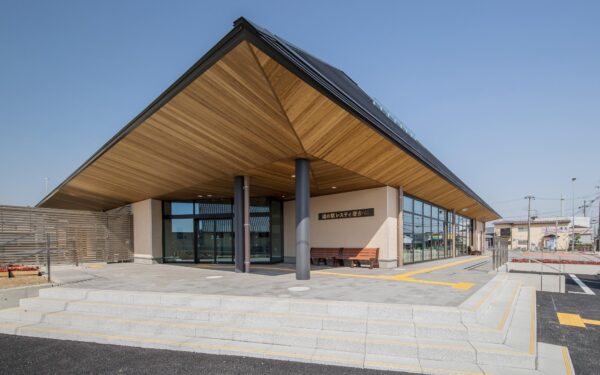
Michi No Eki Resutei Karako ・ Kagi
Michi No Eki Resutei Karako ・ Kagi
Nara
Free admission. Specialty products are at in-store prices
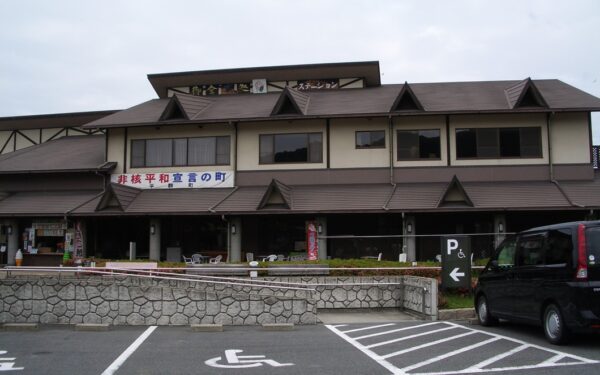
Michi No Eki Yamato Michi Heguri Kumagashi Station
Michi No Eki Yamato Michi Heguri Kumagashi Station
Nara
Free admission. Specialty products are at in-store prices
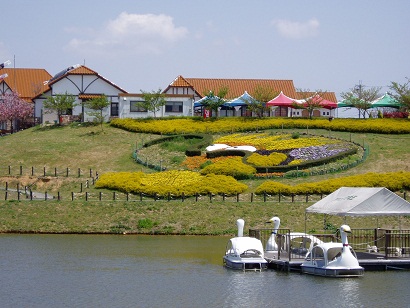
Michi No Eki Agri Park Ryuuou
Michi No Eki Agri Park Ryuuou
Shiga
Free admission. Fruit picking is an additional charge.
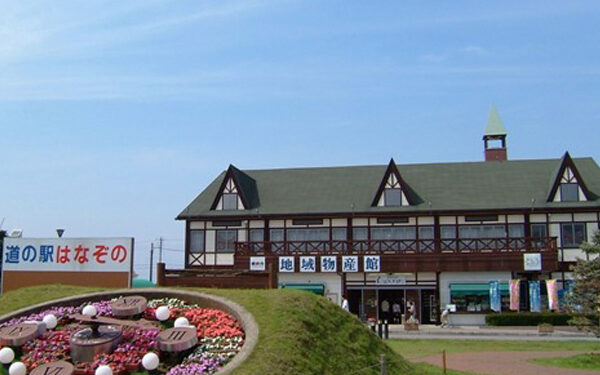
Michi No Eki Hanazono
Michi No Eki Hanazono
Saitama
Free admission. Specialty products are at in-store prices
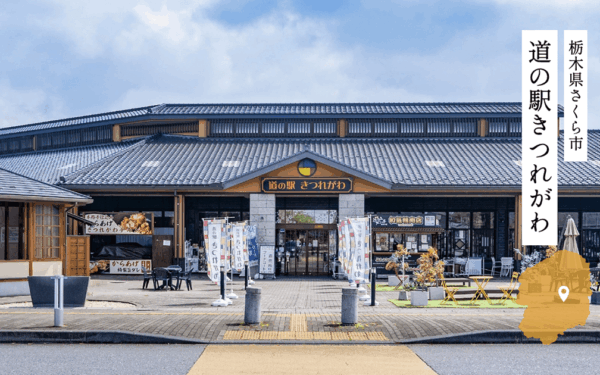
Michi No Eki Kitsuregawa
Michi No Eki Kitsuregawa
Tochigi
Free admission. Hot springs are charged separately
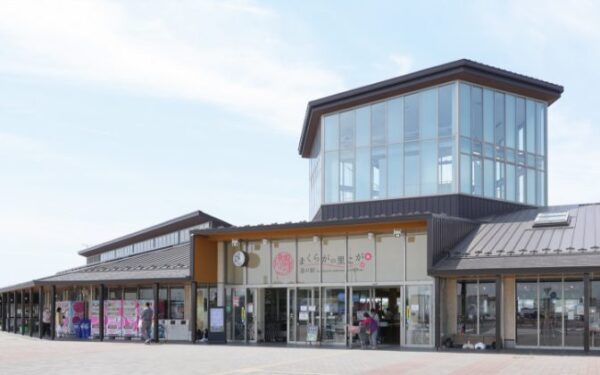
Michi No Eki Makuragano Sato Koga
Michi No Eki Makuragano Sato Koga
Ibaraki
Free admission. Specialty products are at in-store prices
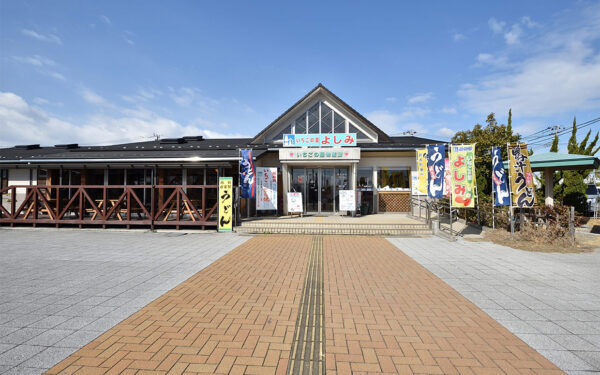
Michi No Eki Ichigono Sato Yoshimi
Michi No Eki Ichigono Sato Yoshimi
Saitama
Free admission. Specialty products are at in-store prices
Michi No Eki Kaju Koen Ashigakubo
Michi No Eki Kaju Koen Ashigakubo
Saitama
Free admission. Specialty products are at in-store prices
Michi No Eki Soubetsu Jouhoukan I
Michi No Eki Soubetsu Jouhoukan I
Hokkaido
Free admission. Specialty products are at in-store prices
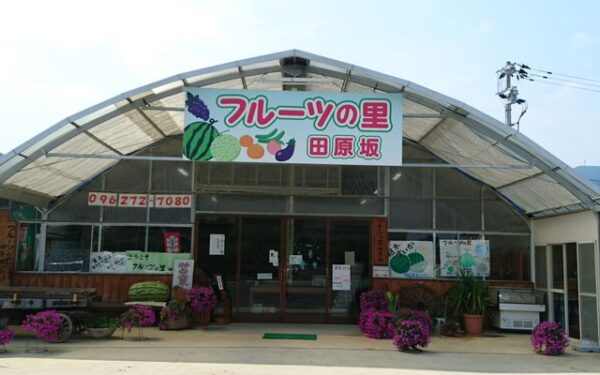
Fruits No Sato Tabaruzaka
Fruits No Sato Tabaruzaka
Kumamoto
All-you-can-eat strawberries for 30 minutes (please check the official website for prices)
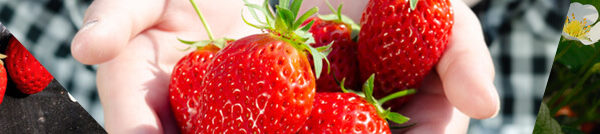
Ema Ichigo Kari Center
Ema Ichigo Kari Center
Shizuoka
December 15th to January 31st: Adults 2,000 yen, Infants 1,700 yen, February to March: Adults 1,800 yen, Infants 1,500 yen, April to May: Adults 1,400 yen, Infants 1,100 yen (30 minutes all-you-can-eat)
Hi No Kuchi Sono
Hi No Kuchi Sono
Shizuoka
Mandarin orange picking for adults from 500 yen, strawberry picking for adults from 1,800 yen
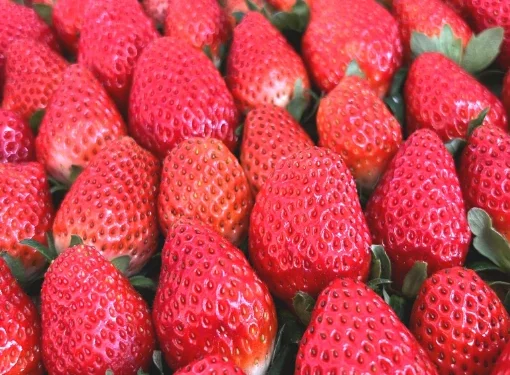
Hayakawa Nouen
Hayakawa Nouen
Shizuoka
Please check the official website (30minall-you-can-eat)
Taifu Nouen
Taifu Nouen
Shizuoka
Adults2,200– (varies by season)
Hiramatsu Kanko Agri Su Hamanako
Hiramatsu Kanko Agri Su Hamanako
Shizuoka
Adults2,200– (varies by season)
Izunagaoka Ichigo Kari Center
Izunagaoka Ichigo Kari Center
Shizuoka
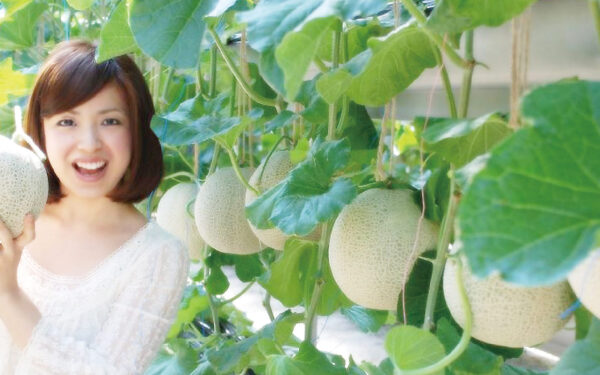
Izu Fruits Park
Izu Fruits Park
Shizuoka
Melon picking from 1,200 yen (varies depending on the season)
Kashima Harvest
Kashima Harvest
Shizuoka
Melon picking (1 ball) 3,300 yen (includes 1/2 slice of melon sampling), melon sampling only 1,320 yen
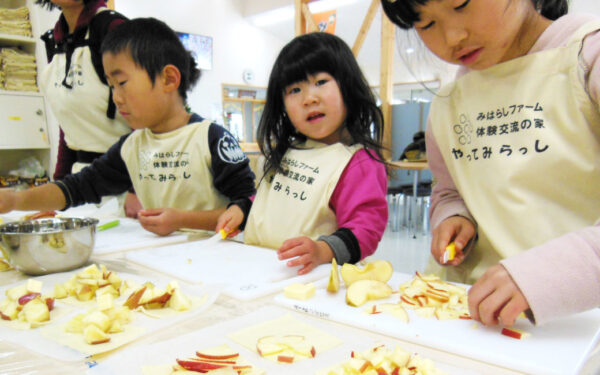
Habiro Nougyou Koen Miharashi Farm
Habiro Nougyou Koen Miharashi Farm
Nagano
Experience starts from 600 yen (varies depending on content)
Fukasaku Nouen
Fukasaku Nouen
Ibaraki
Please check the official website
Murata Nouen
Murata Nouen
Ibaraki
Please check the official website
JA Hokota Farmers Market Nadarou
Jaほこた Faamaazu Market Nadarou
Ibaraki
Free admission (products sold separately)
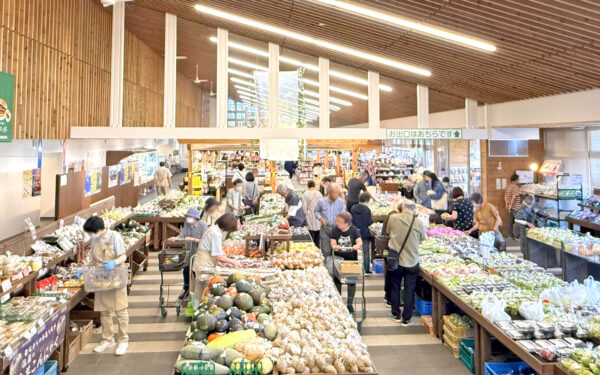
Michi No Eki Kunimi Atsukashino Sato
Michi No Eki Kunimi Atsukashino Sato
Fukushima
Free admission (separate purchase at farmers market)
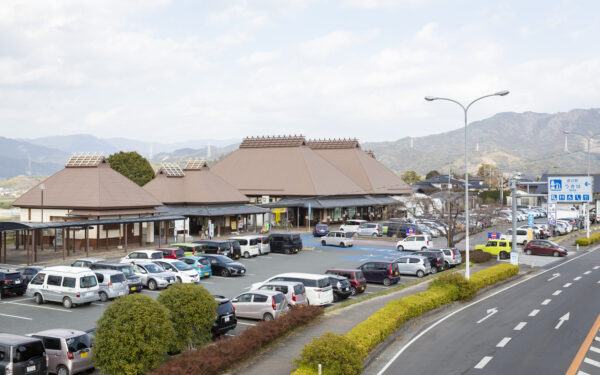
Michi No Eki Ukiha
Michi No Eki Ukiha
Fukuoka
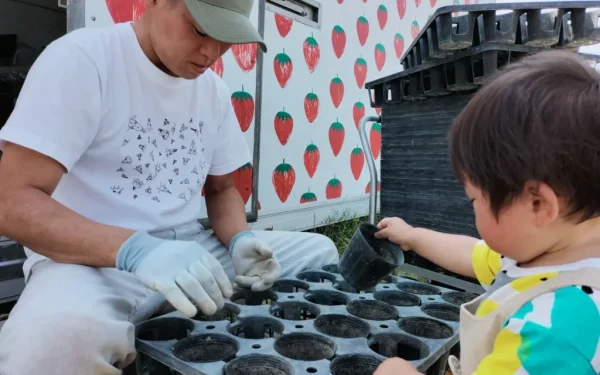
Kanko Nouen Ra・Fureezu
Kanko Nouen Ra・Fureezu
Fukuoka
Adults3,000–2,000 (varies by season、90minall-you-can-eat)
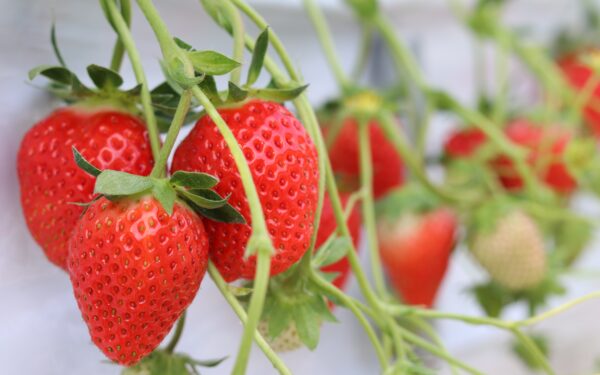
Hirai Kanko Nouen
Hirai Kanko Nouen
Fukuoka
45-minute all-you-can-eat (mixed hunting) from 3,300 yen for adults (varies depending on the season)
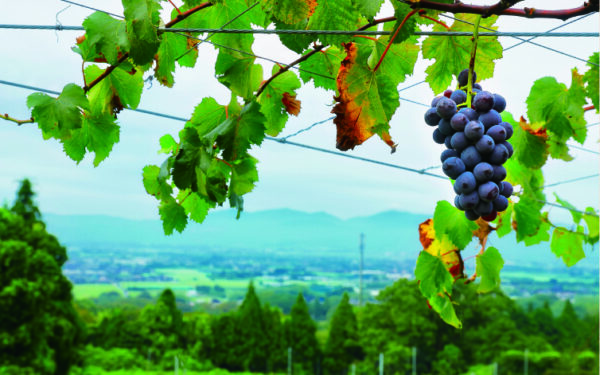
Kyohou Winery
Kyohou Winery
Fukuoka
Free tour and tasting

Nangoku Fruits Parlor
Nangoku Fruits Parlor
Fukuoka
Please check the official website
Furutorie Nakamura Kajuen
Furutorie Nakamura Kajuen
Fukuoka
Strawberry picking admission fee starts from 1,650 yen (plus 220 yen on weekends and holidays)
Puu Sannoichigo Sono
Puu Sannoichigo Sono
Fukuoka
Please check the official website
Raion Kajitsu Sono
Raion Kajitsu Sono
Fukuoka
Adults (12 years and older) 2,600 yen, Children (3-11 years old) 2,000 yen (60 minutes all-you-can-eat, prices vary depending on the season)
Aso Ichigo Hatake Kinouchi Nouen
Aso Ichigo Hatake Kinouchi Nouen
Kumamoto
All-you-can-eat (unlimited time) Adults 2,200-2,800 yen (varies depending on the season)
Kanko Nouen Kichiji Sono
Kanko Nouen Kichiji Sono
Kumamoto
All-you-can-eat strawberry picking for 40 minutes: 1,800 to 2,200 yen for junior high school students and above (varies depending on the season)
Kajitsu No Kuni Kappuruzu
Kajitsu No Kuni Kappuruzu
Kumamoto
Strawberry picking: 2,400 yen for adults, 1,700 yen for elementary school students (varies depending on the season)
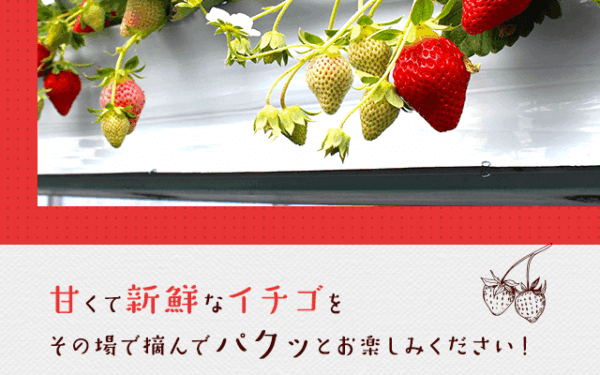
Iwamura Ichigo Nouen
Iwamura Ichigo Nouen
Kumamoto
Please check the official website
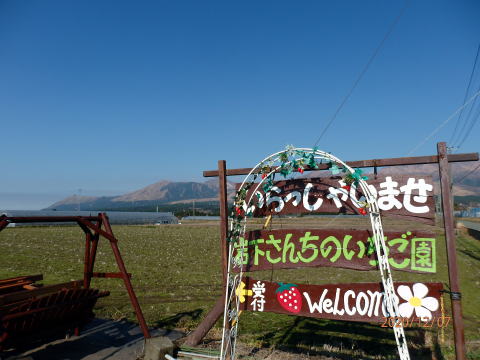
Minamiaso Iwashita Sanchinoichigo Sono
Minamiaso Iwashita Sanchinoichigo Sono
Kumamoto
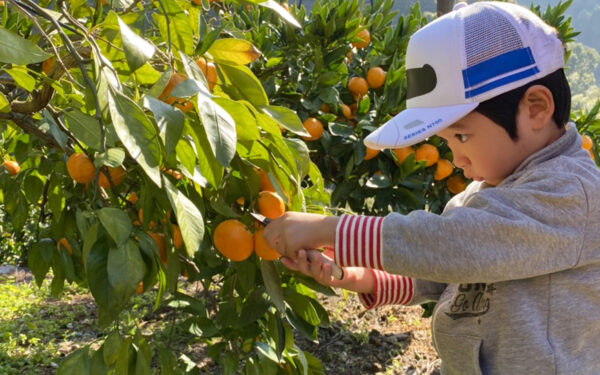
Yuu Mine Sono Fruits Land
Yuu Mine Sono Fruits Land
Kumamoto
Entrance fee: 300 yen (2 years old and over), harvested fruits can be purchased at market price.
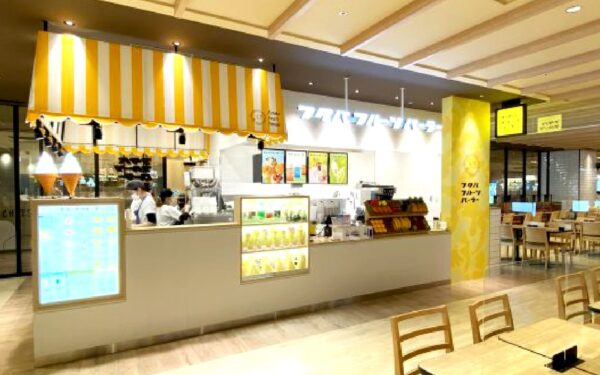
Futaba Fruits Parlor Amyu Plaza Kumamoto Mise
Futaba Fruits Parlor Amyu Plaza Kumamoto Mise
Kumamoto
Please check the official website
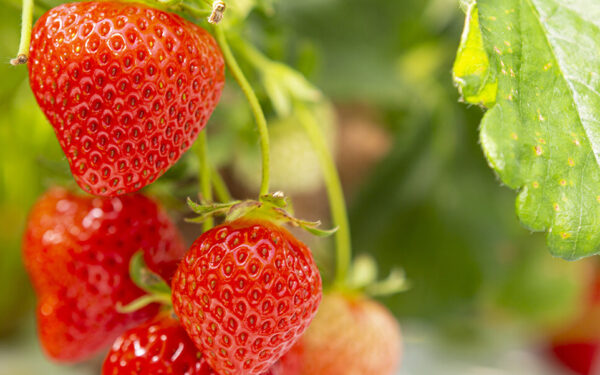
Jirobeeno Kanko Nouen
Jirobeeno Kanko Nouen
Kumamoto
Please check the official website
10-6 Namiki Saka Fruits Parlor
10-6 Namiki Saka Fruits Parlor
Kumamoto
Parfait + drink set 1,300 yen~
Michi No Eki Mashiko
Michi No Eki Mashiko
Tochigi
Free admission (products and food are sold separately)

Michi No Eki Motegi
Michi No Eki Motegi
Tochigi
Free admission (products and food are sold separately)

Michi No Eki Ninomiya
Michi No Eki Ninomiya
Tochigi
Free entry

Kanko Nouen Agri No Sato
Kanko Nouen Agri No Sato
Tochigi
30 minutes all-you-can-eat Tochihime: Adults 2,000 yen to 2,200 yen / Tochiotome/Tochiaika: Adults 1,600 yen to 2,000 yen (varies by month)
Nikkou Strawberry Park
Nikkou Strawberry Park
Tochigi
30minall-you-can-eat Adults1,800–2,500 (varies by season)
Inokashira Kanko Ichigo Sono
Inokashira Kanko Ichigo Sono
Tochigi
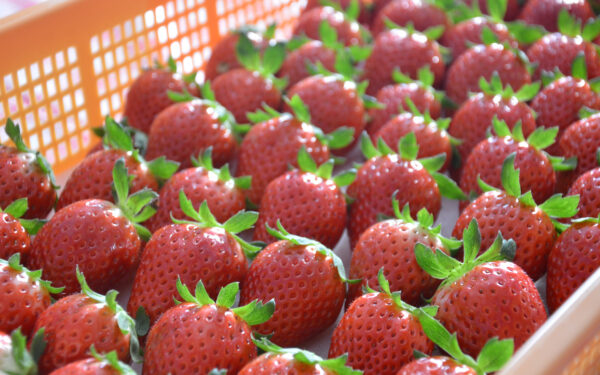
Berry Zufan
Berry Zufan
Tochigi
Please check the official website (varies depending on month and variety)
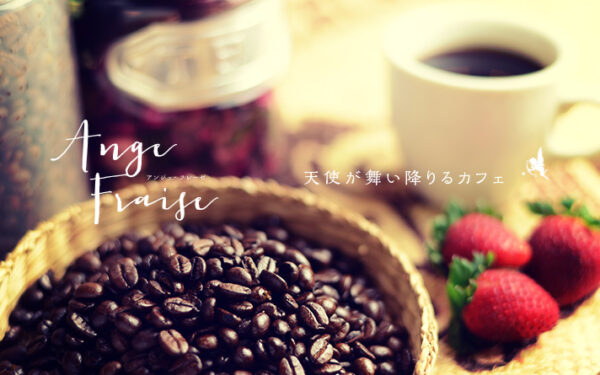
Cafe Anjie・Fureeze
Cafe Anjie・Fureeze
Tochigi
Varies depending on menu
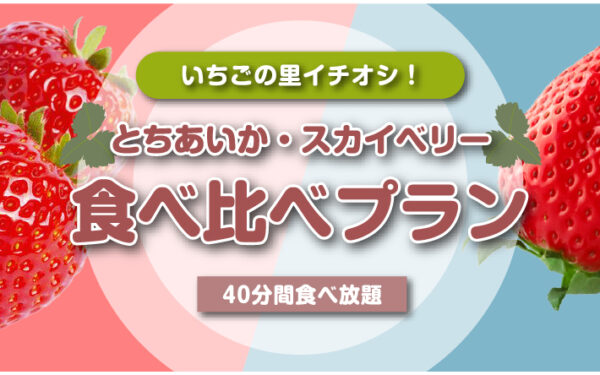
Suroo Life Resort Ichigono Sato
Suroo Life Resort Ichigono Sato
Tochigi
Admission fee: 200 yen for adults, 100 yen for elementary school students (fruit picking fee is separate)
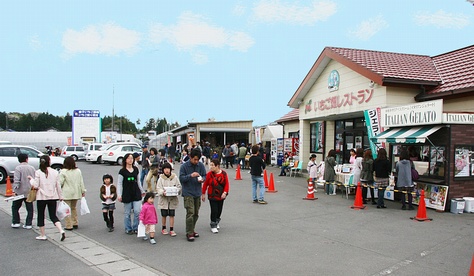
JA Hagano Mashiko Tourist Strawberry Farm Area
Jaはが野 Mashiko Kanko Ichigo Danchi
Tochigi
All-you-can-eat for unlimited time (prices vary depending on the season)
Michi No Eki Toyohashi
Michi No Eki Toyohashi
Aichi
Gamagoori Orange Park
Gamagoori Orange Park
Aichi
Orange picking: 1,650 yen for adults, 1,540 yen for children, 550 yen for infants (approximately 1 kg of oranges, souvenir included, unlimited time)
Tsune Kaen
Tsune Kaen
Aichi
From 1,800 yen for adults (all-you-can-eat grapes)
Strawberry Park Mifune
Strawberry Park Mifune
Aichi
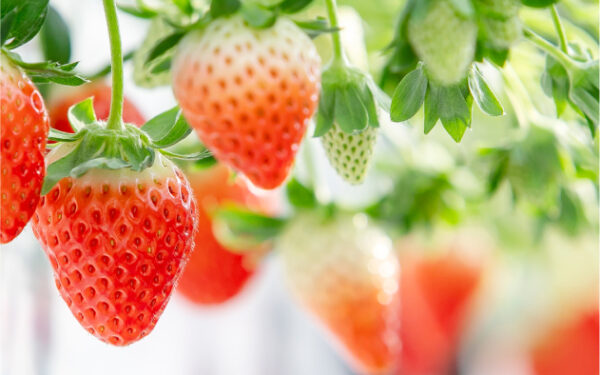
Adults 2,000 yen~ (45 minutes of all-you-can-eat strawberry picking)
Minamichita Green Barei
Minamichita Green Barei
Aichi
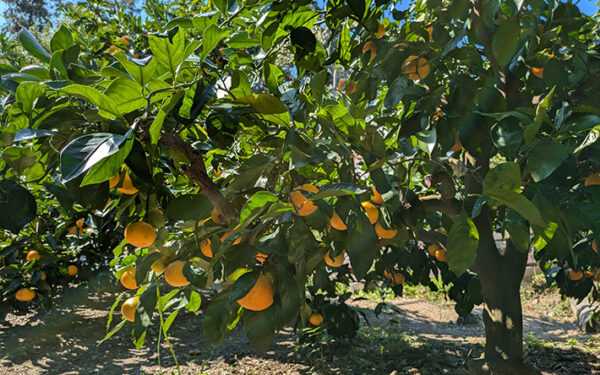
Entrance fee: 1,500 yen for adults (fruit picking not included)
JA Agri Town Genki-no-Sato
Jaあぐり Town Genkino Sato
Aichi
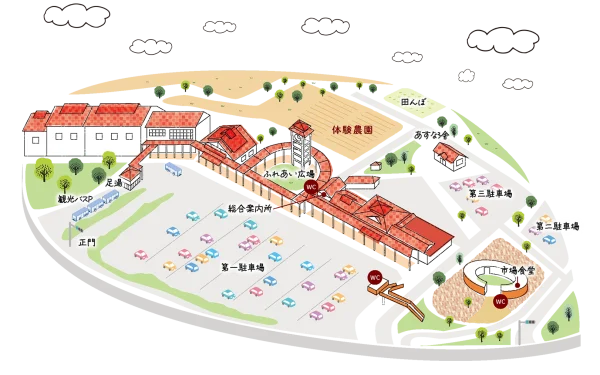
Free entry
Eco Farm Uchiko
Eco Farm Uchiko
Ehime
Strawberry picking Adults 1,800 yen ~ (no time limit)
Yukimoto Nouen
Yukimoto Nouen
Ehime
Strawberry picking from 2,500 yen for adults (all-you-can-eat without time limit)
Michi No Eki Kurukuru Naruto
Michi No Eki Kurukuru Naruto
Tokushima
Oosumi Ichigo Sono
Oosumi Ichigo Sono
Tokushima
Please check the official website
Fruits Garden Yamagata
Fruits Garden Yamagata
Tokushima
Strawberry picking: 2,000 yen for adults, 1,500 yen for children (December to early May)
Hanano Engei
Hanano Engei
Hiroshima
Strawberry picking, blueberry picking, autumn leaves viewing, etc.
Hirata Kanko Nouen
Hirata Kanko Nouen
Hiroshima
All-you-can-eat grape picking: from 2,500 yen for junior high school students and above, strawberry picking: from 1,400 yen
Eden Nouen
Eden Nouen
Hiroshima
Strawberry picking, blueberry picking, orange picking (varies depending on the season)
Nou Maru Engei Kibi Michi Nouen
Nou Maru Engei Kibi Michi Nouen
Okayama
Free admission, strawberry picking, peach sales, grape sales available
Nou Maru Engei Akaiwa Nouen
Nou Maru Engei Akaiwa Nouen
Okayama
Free admission, direct sale of peaches and grapes, parfait and shaved ice menu available
Mimasaka Nouen
Mimasaka Nouen
Okayama
1 bunch of Pione picking, all you can eat Pione, all you can eat Shine Muscat
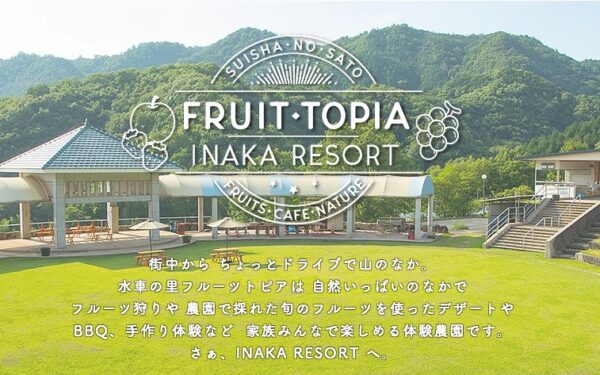
Suisha No Sato Fruits Topia
Suisha No Sato Fruits Topia
Okayama
All-you-can-eat grape picking for 40 minutes: 1,980 yen for junior high school students and above
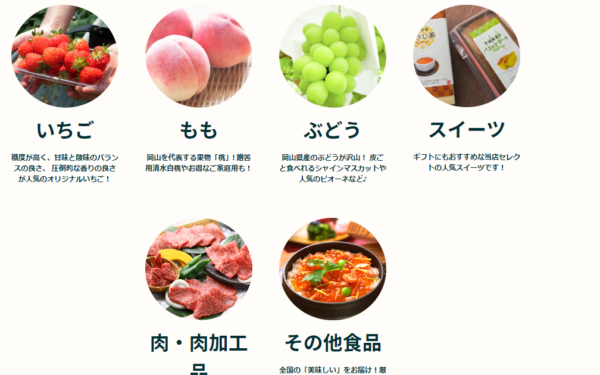
Okayama Fruits Nouen
Okayama Fruits Nouen
Okayama
Please check the official website
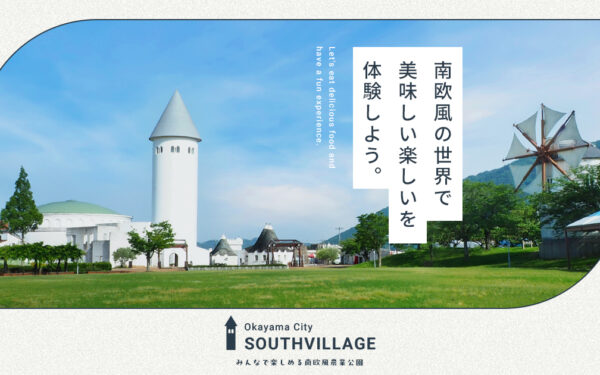
Okayamashi Sausuvirejji
Okayamashi Sausuvirejji
Okayama
All-you-can-eat grape picking for 60 minutes: 2,500 to 3,300 yen for junior high school students and above
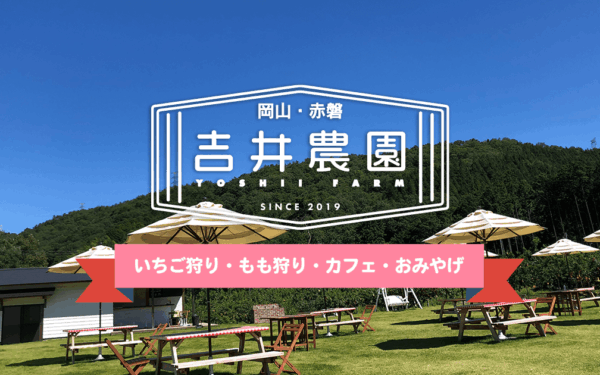
Yoshii Nouen
Yoshii Nouen
Okayama
Small course 2,000 yen, all-you-can-eat 20 minutes 3,600-4,000 yen
Mahora Farm
Mahora Farm
Okayama
Peach picking: 1,800 yen for adults, 1,200 yen for children, free for children under 3 years old
Miharashi Sono
Miharashi Sono
Yamanashi
Peach picking: 1,400 yen for adults, 1,150 yen for children, Grape picking: 1,000 yen for adults, 850 yen for children, Kyoho picking: 1,400 yen for adults, 1,150 yen for children (all-you-can-eat for 40 minutes)
-600x375.jpg)
Fruits Cafe Hachi Chinka ( Hatchinkapurasu )
Fruits Cafe Hachi Chinka ( Hatchinkapurasu )
Yamanashi
Varies depending on menu
-600x375.jpg)
Fruits Cafe Beravisuta ( Fruits Park Fujiya Hoteru )
Fruits Cafe Beravisuta ( Fruits Park Fujiya Hoteru )
Yamanashi
Please check the official website
Ichigo Land
Ichigo Land
Yamanashi
Please check the official website
Kushima Ichigo Hatake ( Onitsuka Nouen )
Kushima Ichigo Hatake ( Onitsuka Nouen )
Miyazaki
Please check the official website

Tondabayashi Shi Nougyou Koen Sabaa Farm
Tondabayashi Shi Nougyou Koen Sabaa Farm
Osaka
Admission fee: 710 yen for adults, 300 yen for children, additional charge for strawberry picking (please check the official website)
Horiuchi Kajitsu Sono Guranfuronto Oosakaten
Horiuchi Kajitsu Sono Guranfuronto Oosakaten
Osaka
Please check the official website
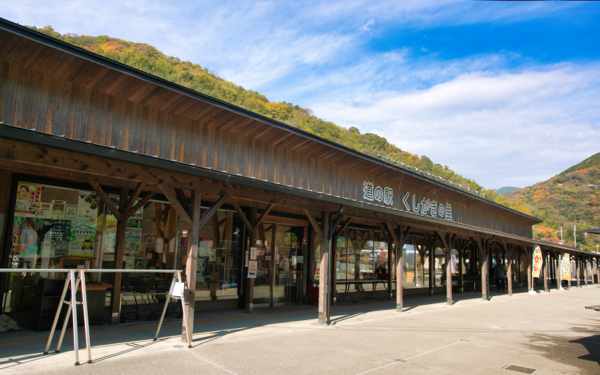
Michi No Eki Kushigakino Sato
Michi No Eki Kushigakino Sato
Wakayama
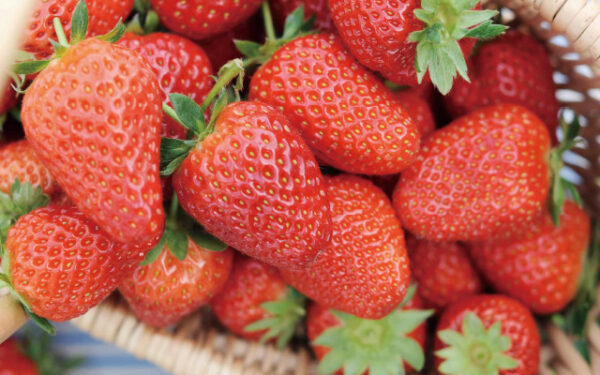
Nouen Ki No Kuni
Nouen Ki No Kuni
Wakayama
Melon picking from 2,000 yen for adults, strawberry picking from 1,800 yen for adults
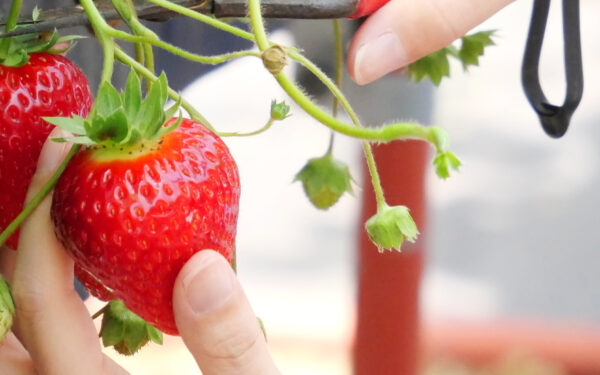
Kanko Nouen Hidaka
Kanko Nouen Hidaka
Wakayama
All-you-can-eat strawberries from 1,800 yen for adults, all-you-can-eat melon from 2,500 yen for adults
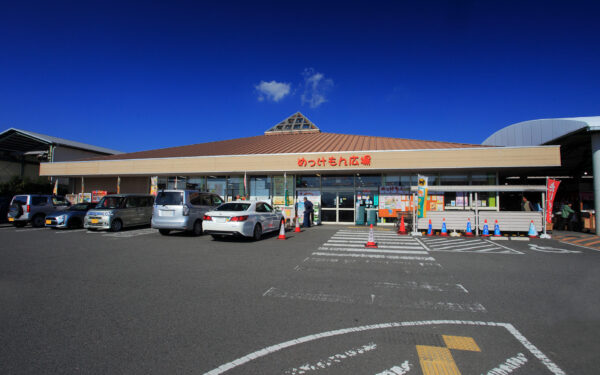
JA Kinosato Farmers Market Mekkemon Hiroba
Ja紀の里ファーマーズ Market Mekkemon Hiroba
Wakayama
Tateyama Ichigo Kari Center
Tateyama Ichigo Kari Center
Chiba
All-you-can-eat for 30 minutes (prices vary depending on the season)
Michi No Eki Kurimoto Kurenai Komachi No Sato
Michi No Eki Kurimoto Kurenai Komachi No Sato
Chiba
Free admission (products and experiences sold separately)
Yamaman Yuukari Farm
Yamaman Yuukari Farm
Chiba
Strawberry House Ote
Strawberry House Ote
Chiba
40minall-you-can-eat Adults1,300–2,200 (varies by season)
Murata Kajuen
Murata Kajuen
Hokkaido
Fruit picking: 1,000 yen for junior high school students and above, 800 yen for elementary school students, 500 yen for 3 years old and above (all-you-can-eat without time limit)
Nitori Kanko Kajuen
Nitori Kanko Kajuen
Hokkaido
Fruit picking Varies depending on item and season
Frequently Asked Questions
When is Strawberry in season?
Where are the main growing regions for Strawberry?
Where can I enjoy Strawberry?
What is the best way to enjoy Strawberry?
Share this fruit
🍓 Strawberry — Find on Map
Discover nearby spots on our interactive map