Mandarin Orange
In Season: Jan–Feb, Oct–Dec
🍊 Mandarin Orange
Japan grows over 100 citrus varieties. Ehime is the “citrus kingdom” — Beni Madonna has a jelly-like texture.
🍊 Complete Guide to Mandarin Orange Picking
The Appeal of Mikan and the Joy of Fruit Picking
Mikan (Unshu Mikan, or mandarin oranges) are the fruit that defines winter in Japan. Easy to peel by hand, virtually seedless, and enjoyed by everyone from small children to the elderly -- this effortless accessibility is precisely why mikan have been a beloved staple for generations. The image of sitting under a kotatsu and eating mikan is an iconic scene of Japanese winter.
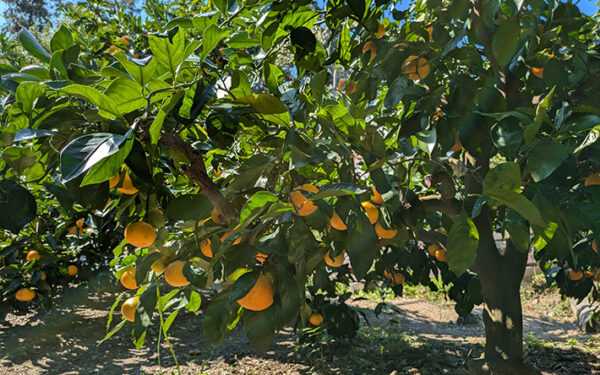
Mikan picking is a fruit picking experience you can enjoy from autumn through winter. Under clear skies, harvesting clusters of vibrant orange fruit by hand in a sun-drenched mikan orchard is a truly special experience. Unlike buying a box of mikan at the supermarket, the pleasure of selecting each fruit one by one from the tree as you pick is something only mikan picking can offer.
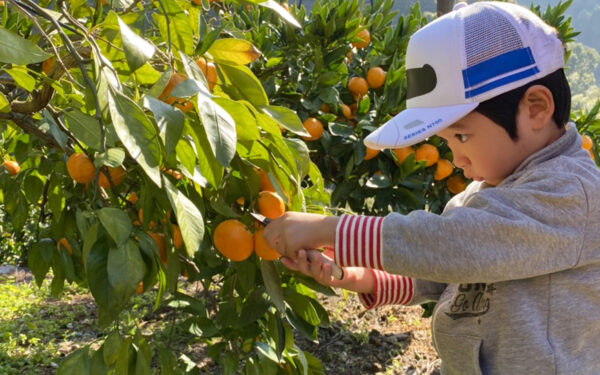
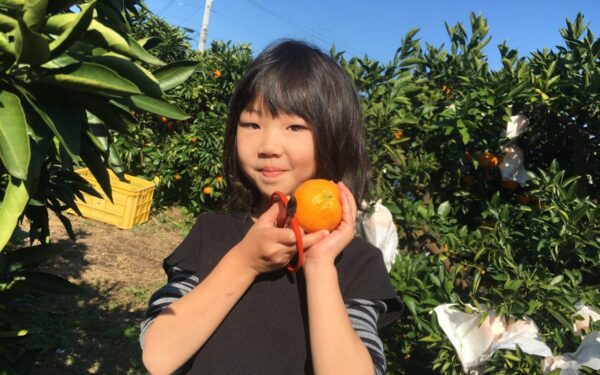
Freshly picked mikan are bursting with juice, delivering a vibrant wave of refreshing tartness and rich sweetness. The sight of mikan orchards gleaming in the sunlight is beautiful in itself, and the harvesting experience is genuinely refreshing. Mikan trees stand only about 2-3 meters tall, and the fruit often grows within easy reach, making it possible for even small children to pick on their own. As a leisure activity the whole family can enjoy, mikan picking is the perfect outing for autumn and winter.
Peak Season and Regional Differences
The mikan picking season generally runs from late September through around January. Unshu Mikan are classified into four groups based on harvest timing -- "Gokuwase (very early)," "Wase (early)," "Nakate (mid-season)," and "Okute (late)" -- each with its own distinct flavor profile and characteristics.
Very early (Gokuwase) mikan are the first to appear, available from late September through October. The skin may still show some green, but these mikan are characterized by a refreshing acidity and a clean sweetness that heralds the start of autumn. Early (Wase) mikan are in season from late October through December, with a well-balanced blend of sweetness and tartness -- these are the varieties you will encounter most often during mikan picking. Mid-season (Nakate) mikan are at their best from December through January, with higher sugar content and a deeper, more complex sweetness. Late (Okute) mikan are shipped from January through March and are often stored after harvest to mellow the acidity, resulting in a smooth, intensely sweet flavor.
Peak Season by Variety
During mikan picking, the variety you can harvest depends on when you visit. From late September through October, you will find very early varieties like "Nichinan No. 1" and "Yura Wase." From late October through December, early varieties such as "Miyagawa Wase" and "Okitsu Wase" take center stage. From December through January, mid-season varieties like "Nankan No. 20" become the focus. The late variety "Aoshima Unshu" is harvested from January onward and is typically stored before being sold. Since different farms grow different varieties, it is a good idea to check before visiting.
Variety Guide -- Flavor and Characteristics
There are many varieties of Unshu Mikan, and here are some of the most representative ones you are likely to encounter during mikan picking.
Miyagawa Wase
The leading early variety and the most widely cultivated Unshu Mikan in Japan. Originally discovered in Fukuoka Prefecture, it is now grown extensively across the country. Sugar content is about 11-12 degrees Brix, with a well-balanced acidity and sweetness that appeals to everyone. The fruit has a slightly flattened shape and is rich in juice, making it wonderfully juicy. The peak season is from late October through December, making it the variety you will encounter most often during the heart of the mikan picking season.
Aoshima Unshu
The leading late variety, named after the field of Aoshima Heiju in Shizuoka City, Shizuoka Prefecture, where it was discovered. Sugar content is high at 12-13 degrees Brix, with a rich, full-bodied sweetness that surpasses early varieties. The fruit is slightly larger than early varieties with somewhat thicker skin. Harvested from January onward, it develops a mellow sweetness as the acidity softens during storage. It is also known as the main variety behind the Mikkabi Mikan brand.
Arida Mikan / Wakayama Mikan
A general term for mikan grown in the Arida region of Wakayama Prefecture, with a cultivation history stretching back about 450 years. Arida Mikan is one of Japan's most distinguished mikan brands. The Arida region features many steep, terraced hillside orchards with excellent drainage, and the warm climate creates an ideal environment for mikan cultivation. These mikan are known for their high sugar content and deep, complex sweetness. The Arida region grows many different varieties, offering different flavors depending on the season.
Ehime Mikan
Ehime Prefecture enjoys a warm Seto Inland Sea climate and temperate coastal areas along the Uwa Sea, providing ideal conditions for mikan cultivation. With long hours of sunshine, the "three suns" -- direct sunlight, reflected light from the sea, and radiated heat from stone walls -- produce mikan with exceptional sweetness. Ehime Prefecture grows a diverse range of varieties including Miyagawa Wase, and each growing area offers its own distinctive flavor.
Tips for Comparing Varieties
When enjoying multiple varieties during mikan picking, try to notice how the flavor changes across the seasonal progression from very early to early to late varieties. Very early mikan have a pronounced, refreshing acidity; early varieties offer a well-balanced sweetness and tartness; and late varieties deliver a deep, concentrated sweetness. Even on the same tree, fruit on the sun-exposed outer branches may taste sweeter than those growing on the inside, so picking from different positions and comparing is another enjoyable way to experience the differences.
How to Identify Delicious Mikan
When selecting the best mikan from among the many fruit hanging in an orchard, there are a few key things to look for.
First, choose mikan with a deep orange skin color. A deeper color indicates that the fruit has ripened fully. Next, look for fruit with a glossy skin that has a fine, smooth texture. Mikan with fine-textured skin also tend to have thinner segment membranes, making them easier to eat and juicier.
Slightly flattened (wider than tall) mikan are recommended. Flattened mikan tend to be sweeter than perfectly round ones. Also, mikan that feel heavy for their size are packed with juice.
A small stem scar with a green-colored stem is another sign of a delicious mikan. Mikan with large stems may have received excess water and nutrients, resulting in a diluted flavor. Those with smaller stems tend to have concentrated their sugars in response to stress, producing a sweeter fruit.
Tips to Enjoy Mikan Picking 10 Times More
1. Cut with scissors, carefully
When harvesting mikan, always use scissors to snip the stem. Pulling them off by hand can damage the branch or tear the skin, which causes the fruit to spoil more quickly. Use the scissors provided by the farm and cut just above the stem. Keeping the cut short also prevents it from scratching other mikan.
2. Aim for the sunny outer side of the tree
Mikan that receive plenty of sunlight are the sweetest. Choose trees in well-lit locations such as the edge of the orchard or the south-facing side, then prioritize fruit growing on the outer, sun-facing side of the tree. Fruit on the interior or in the shade tends to be more tart.
3. Be mindful of the tasting order
At farms with multiple varieties, eating from more tart to sweeter varieties allows you to appreciate the distinct flavors of each. Even within the same variety, flavor can vary based on the tree's position and the size of the fruit, so sampling several to find your favorite tree is another fun part of the experience.
4. Pack the right supplies
Wet wipes are essential. Mikan juice makes your hands sticky, so being able to wipe them often keeps things comfortable. Drinks are also a must -- while mikan provide some hydration, you may still get thirsty. A plastic bag comes in handy for collecting peels. At some farms, trash bins may be located far from the picking area.
5. Wear comfortable clothing
Mikan orchards are often on hillsides with uneven footing. Wear comfortable sneakers and clothing you can move around in easily. While autumn and winter mikan picking can be warm during the day, mornings and evenings can turn cold, so bringing a layer you can easily take on and off is a good idea. A hat is also useful on sunny days.
6. For families with children
Mikan trees are low, making it easy for small children to reach and pick the fruit themselves -- one of the great advantages of mikan picking. However, make sure an adult helps with the scissors. Also, be cautious about slipping on sloped terrain. Bringing a change of clothes is a good idea in case juice gets on their outfit.
Nutrition and Health Benefits
Mikan are not only delicious but also nutritionally impressive. According to Japan's Standard Tables of Food Composition, the key nutrients in Unshu Mikan (with segment membranes, regular) per 100g are as follows.
Vitamin C is present at about 35mg per 100g. Eating just 2-3 mikan (about 200-300g) provides a substantial portion of the recommended daily intake for adults (100mg). Vitamin C helps prevent colds and maintain skin health, making the Japanese habit of eating mikan in winter a well-founded tradition.
Beta-cryptoxanthin is a carotenoid found in especially high concentrations in mikan, at about 1700 micrograms per 100g. This pigment gives mikan their orange color, and epidemiological studies in Japan (such as the Mikkabi Town Study) have reported that people with higher blood levels of beta-cryptoxanthin tend to have a lower risk of osteoporosis and type 2 diabetes, drawing considerable scientific interest.
Potassium is present at about 150mg per 100g, and is known to help the body excrete excess sodium. Dietary fiber is abundant in the segment membranes and the white pith, so eating mikan with the thin skin allows for more efficient intake. The citric acid responsible for mikan's tartness is also known as a compound that aids in recovery from fatigue.
At about 35-45kcal per mikan (roughly 80-100g each), they are a low-calorie snack you can enjoy any time.
Storage Methods and Take-Home Tips
Proper storage is key to keeping your mikan-picked harvest fresh and delicious for as long as possible.
Room Temperature Storage
The basic approach is to store mikan in a cool, well-ventilated place. Avoid direct sunlight, and aim for a room temperature of around 10 degrees Celsius. Placing them in a heated room can cause them to dry out and spoil more quickly. If storing in a cardboard box, layer the mikan with sheets of newspaper between them and place them stem-side down.
Rotating (Preventing Mold)
Mikan stored in a box are prone to bruising at the bottom from the weight above. Every 2-3 days, flip the box upside down -- a technique known as "rotating" -- to distribute the pressure and extend their shelf life. If you find any damaged mikan, remove them promptly. Mold spreads quickly to surrounding fruit.
Refrigerator Storage
When storing in the refrigerator, place the mikan in a plastic bag or use the vegetable crisper drawer to prevent them from drying out. Refrigerated mikan will keep well for about 2-3 weeks.
Frozen Mikan
Freeze mikan with the peel on to make "frozen mikan." To eat, briefly run them under water and then leave at room temperature for 10-15 minutes, and you can enjoy a sorbet-like texture. Frozen mikan will keep for about 1-2 months.
Tips for the Journey Home
When taking mikan home from picking, be careful not to overstuff the bag or box, as the fruit can bruise from bumping into each other. If the inside of the car will be hot, consider using an insulated bag. After arriving home, promptly take the mikan out of the container and spread them in a well-ventilated area, checking for any damaged fruit.
Regional Guide -- Recommended Areas
Wakayama Prefecture (Arida and Kainan Area)
Wakayama Prefecture is Japan's top mikan producer, accounting for about 20% of the national harvest. The Arida region, centered around Arida City and Aridagawa Town, has a cultivation history stretching back about 450 years, making it one of Japan's premier mikan-growing areas. Steep terraced hillsides, a warm climate, and well-drained soil create the ideal environment for mikan cultivation. Arida Mikan is an established brand known for high-quality mikan with excellent balance of sweetness and acidity. Mikan picking farms can also be found in Kainan City and Shimotsu Town.
Ehime Prefecture (Nishi-Uwa and Yawatahama Area)
Ehime Prefecture is the second-largest mikan producer in Japan, with active cultivation taking advantage of the warm climate. The Yawatahama City and Nishi-Uwa area, facing the Uwa Sea, is known for producing exceptionally sweet mikan thanks to the "three suns" -- direct sunlight, reflected light from the sea, and radiated heat from stone walls on the hillsides. Mikan picking spots can also be found around Matsuyama City, and travel plans combining mikan picking with a visit to Dogo Onsen hot spring are popular.
Shizuoka Prefecture (Mikkabi and Shimizu Area)
Shizuoka Prefecture is the third-largest mikan producer in Japan, with the Mikkabi district in Hamamatsu City being nationally famous for the "Mikkabi Mikan" brand. The main variety behind Mikkabi Mikan is Aoshima Unshu, known for its rich, full-bodied sweetness. The warm climate around Lake Hamana and the red clay soil are well-suited for mikan cultivation, and in addition to mikan picking, direct-sale farm shops are also popular. Mikan orchards can also be found in Shimizu Ward (formerly Shimizu City).
Kumamoto Prefecture (Amakusa Area)
Kumamoto Prefecture is one of Japan's leading mikan-producing regions, and the Amakusa area in particular benefits from a warm climate and an island geography surrounded by the sea, creating ideal conditions for mikan cultivation. Amakusa mikan are known for their rich, intense flavor, and farms in the area offer mikan picking experiences. Picking mikan while taking in the beautiful ocean views of Amakusa is a charm unique to this region.
Frequently Asked Questions (FAQ)
Q. How much does mikan picking cost?
Costs vary by farm, but for all-you-can-eat plans, adults typically pay 600-1,500 yen and children (elementary school age and under) pay 400-1,000 yen. Time limits of 30-60 minutes are common. Some farms offer plans that include all-you-can-eat plus a bag of mikan to take home. Compared to grape picking or strawberry picking, mikan picking is a relatively affordable fruit picking experience.
Q. Are reservations required?
This varies by farm, but many accept walk-ins without reservations. However, since weekends and holidays can get crowded, it is a good idea to check in advance by phone or website. Group visits almost always require advance reservations.
Q. Can families with children enjoy it?
Mikan picking is one of the best fruit picking activities for families with children. Mikan trees are short, and the fruit grows within easy reach, so even small children can pick on their own. Since the peel comes off by hand, no knives or tools are needed. Some farms allow strollers, though they may not be practical on sloped orchards, so check with the farm in advance.
Q. Can I take mikan home?
With all-you-can-eat plans, you can generally eat as much as you like on-site, but taking mikan home is usually charged separately. Most farms sell mikan by weight or by the bag for souvenirs. Some farms also offer combined plans that include both all-you-can-eat and take-home portions, so it is worth checking beforehand.
Q. What is the best time of day for mikan picking?
A morning visit is recommended. Mikan eaten in the crisp morning air taste even more delicious, and the farms tend to be less crowded. While daytime offers warm, comfortable sunshine, temperatures can drop sharply after 3 PM in autumn and winter, so visiting earlier in the day is ideal.
Q. Can I go mikan picking on a rainy day?
Since mikan picking takes place outdoors, many farms close in rainy weather. However, some farms may stay open during a light drizzle. If you are concerned about the weather, contact the farm on the morning of your visit to check their status. Bringing rain gear (a rain jacket and rubber boots) can allow you to enjoy the experience even in light rain. Be extra careful on sloped orchard terrain, which becomes slippery when wet.
Varieties
🍊 Mandarin Orange Spots
61 spots
Arida Mikan Mountain
Arida Mikan Yama
Wakayama
¥1,100–
Kumamoto Mikan Hill
Kumamoto Mikanno Oka
Kumamoto
¥1,300–
Numazu Mikan Kaido Farm
Numazu Mikan Kaidou Sono
Shizuoka
¥1,200–
Matsumoto Fruits
Matsumoto Fruits
Shizuoka
Kannon Yama Fruits Parlor Koubeten
Kannon Yama Fruits Parlor Koubeten
Hyogo
Kannon Yama Fruits Parlor Wakayama Honten
Kannon Yama Fruits Parlor Wakayama Honten
Wakayama
10Factory Dougo Mise
10Factory Dougo Mise
Ehime
Noma-Noma Noma Kajuen Matsuyama Taigai Michi Mise
Noma-Noma Noma Kajuen Matsuyama Taigai Michi Mise
Ehime

Uchiko Fresh Park Karari
Uchiko Fresh Park Karari
Ehime
Free admission (charges apply for experiences)

Awohata Jam Dekki
Awohata Jam Dekki
Hiroshima
Jam making experience 1,000 yen (for junior high school students and above, set of 4 bottles), factory tour course free
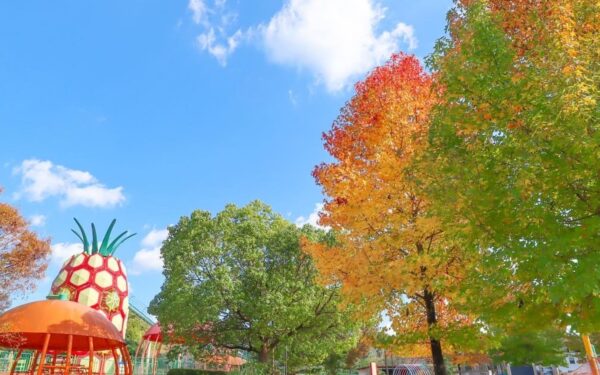
Hamamatsu Fruits Park Toki Yuki Sei
Hamamatsu Fruits Park Toki Yuki Sei
Shizuoka
Free admission (some paid experiences and facilities are available)
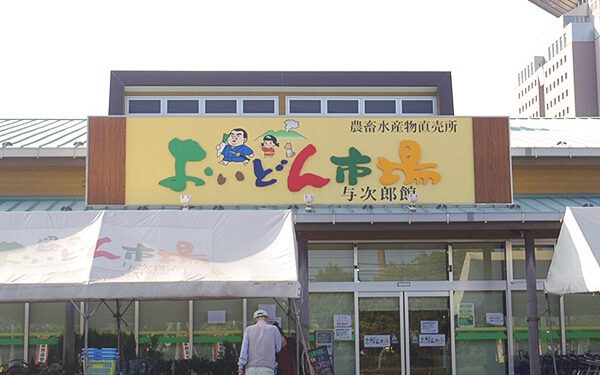
Nouchikusuisan Mono Chokubai Tokoro Oidon Shijou Yojirou Kan
Nouchikusuisan Mono Chokubai Tokoro Oidon Shijou Yojirou Kan
Kagoshima
in-store prices
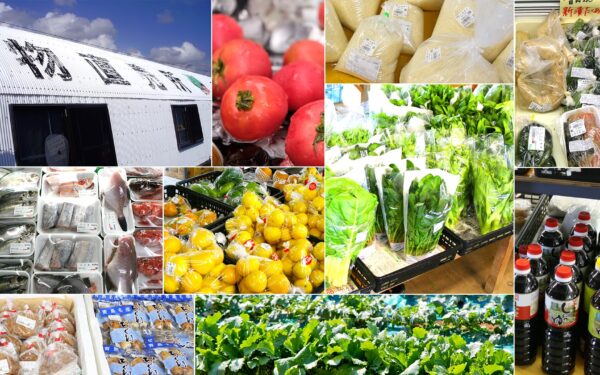
Nousanbutsu Chokubai Tokoro Konohana Shi
Nousanbutsu Chokubai Tokoro Konohana Shi
Miyazaki
in-store prices
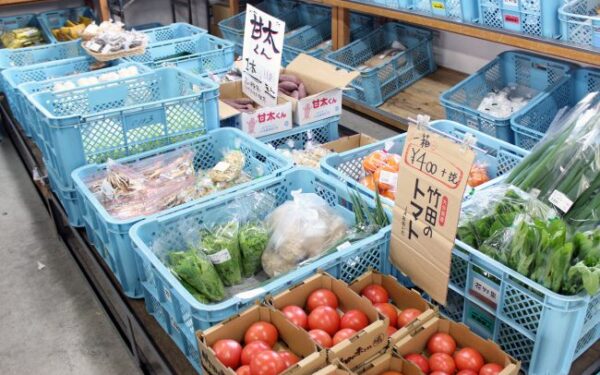
Fresh Park Hanano Ka
Fresh Park Hanano Ka
Oita
in-store prices
Michi No Eki Suikano Sato Ueki
Michi No Eki Suikano Sato Ueki
Kumamoto
in-store prices
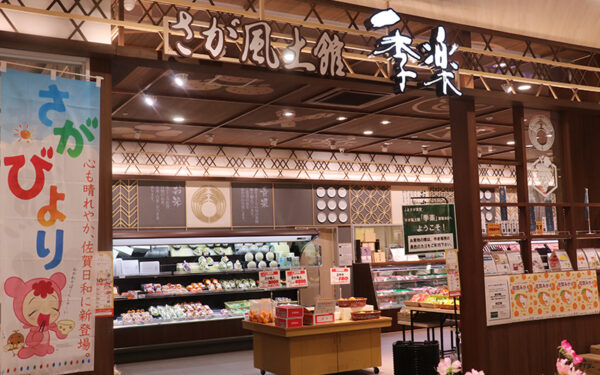
Saga Fuudo Kan Ki Raku Chokuhan Honten
Saga Fuudo Kan Ki Raku Chokuhan Honten
Saga
in-store prices
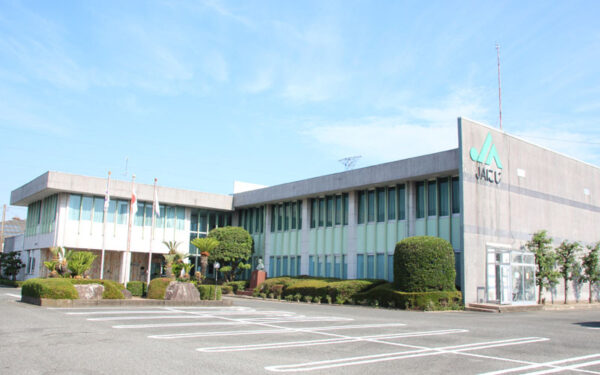
Nijino Minou No Sato Manten Shijou
Nijino Minou No Sato Manten Shijou
Fukuoka
in-store prices
JA Itoshima Sanchoku Shijou Itonasai
Ja糸島 Sanchoku Shijou Ito Na Sai
Fukuoka
in-store prices
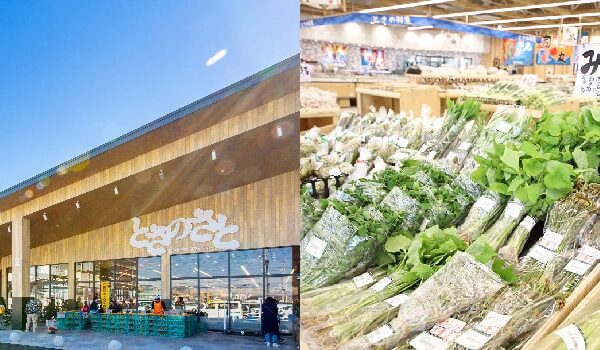
JA Farmers Market Tosanosato
Jaファーマーズ Market Tosanosato
Kochi
in-store prices
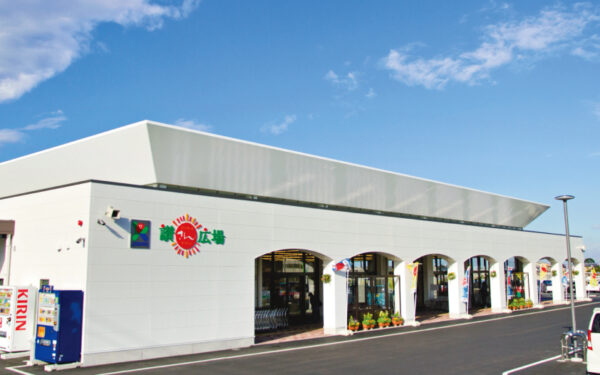
JA Kagawa Farmers Market Sansan Hiroba Iiyama
Ja香川県 Faamaazu Market San San Hiroba Iiyama Mise
Kagawa
in-store prices
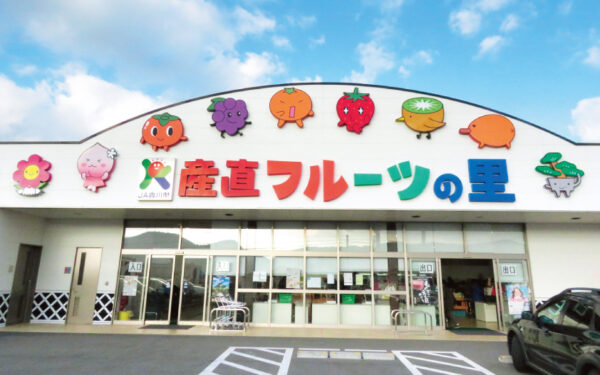
JA Kagawa Fruits-no-Sato
Ja香川県 Fruits No Sato
Kagawa
in-store prices

JA Nishiuwa Specialty Center Kankan Hiyori
Jaにしうわ Tokusan Center Kan Kan Hiyori
Ehime
in-store prices
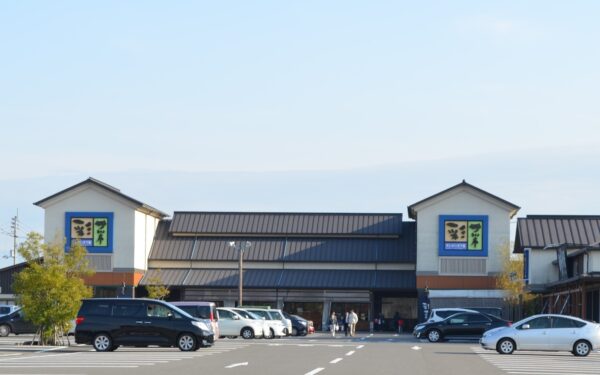
Saisaikite Ya
Saisaikite Ya
Ehime
in-store prices
JA Harenokuni Okayama Mercato Tamakita Kasai Kan
Ja晴れの国岡山 Merukaato Tamakita Kasai Kan
Okayama
in-store prices
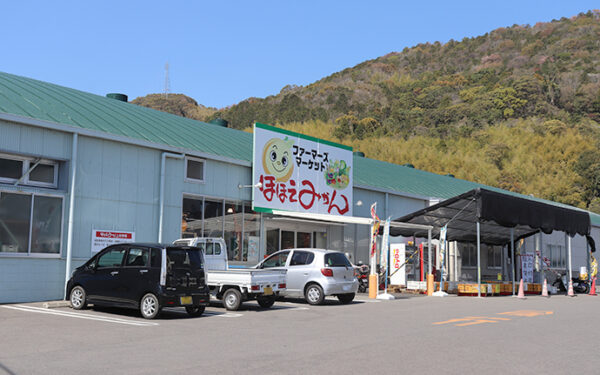
JA Ise Farmers Market Hohoemikan
Ja伊勢 Faamaazu Market Hohoemikan
Mie
in-store prices
Faamaazu Market Aridakko
Faamaazu Market Aridakko
Wakayama
in-store prices
JA Mikkabi Specialty Direct Sales
Jaみっかび特産物直売所
Shizuoka
in-store prices
Fruits Shop Yume Sai Kan
Fruits Shop Yume Sai Kan
Aichi
in-store prices
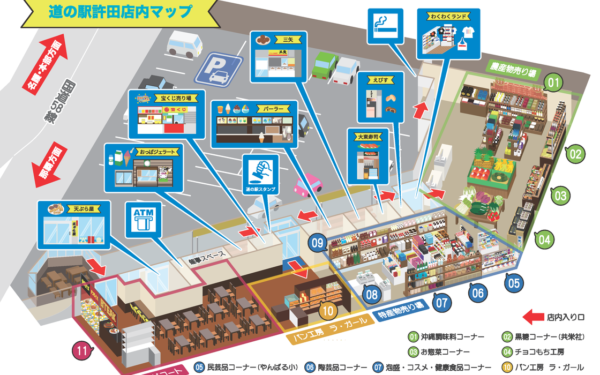
Michi No Eki Kyoda Yanbaru Bussan Center
Michi No Eki Kyoda Yanbaru Bussan Center
Okinawa
Free admission. Specialty products are at in-store prices
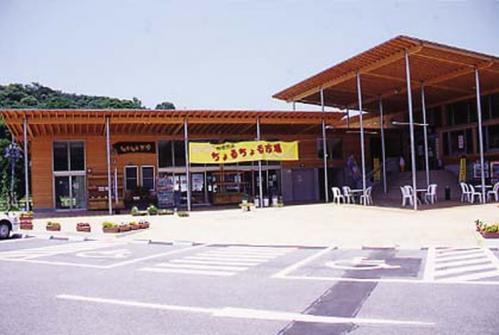
Michi No Eki Kunimi
Michi No Eki Kunimi
Oita
Free admission. Specialty products are at in-store prices
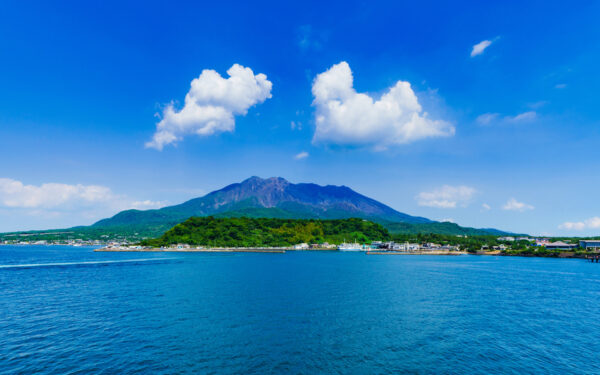
Michi No Eki Tarumizu Yu Tsu Tari Kan
Michi No Eki Tarumizu Yu Tsu Tari Kan
Kagoshima
Free admission. Footbath is charged separately
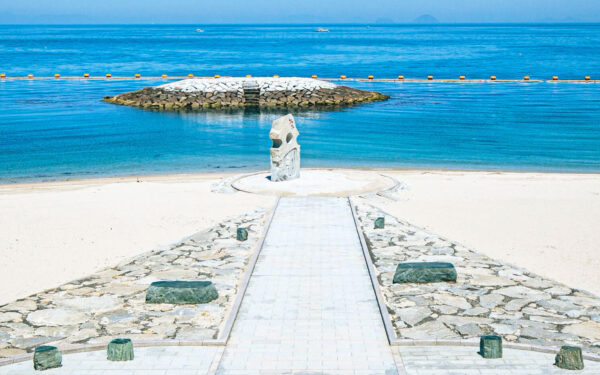
Michi No Eki Futami
Michi No Eki Futami
Ehime
Free admission. Specialty products are at in-store prices
Michi No Eki Yoshiumiikiiki Kan
Michi No Eki Yoshiumiikiiki Kan
Ehime
Free admission. Specialty products are at in-store prices

Michi No Ekinai Ko Fresh Park Karari
Michi No Ekinai Ko Fresh Park Karari
Ehime
Free admission. Specialty products are at in-store prices
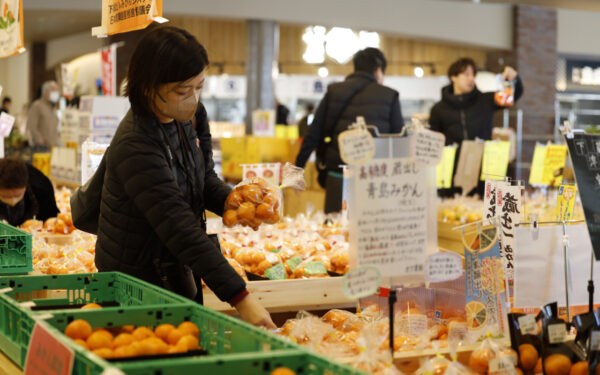
Michi No Eki Kainan Sakuasu
Michi No Eki Kainan Sakuasu
Wakayama
Free admission. Specialty products are at in-store prices
Hi No Kuchi Sono
Hi No Kuchi Sono
Shizuoka
Mandarin orange picking for adults from 500 yen, strawberry picking for adults from 1,800 yen
Izu Fruits Park
Izu Fruits Park
Shizuoka
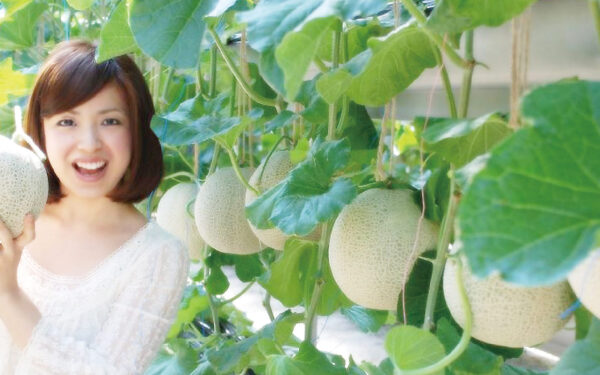
Melon picking from 1,200 yen (varies depending on the season)
Michi No Eki Shiranui Bussan Kan
Michi No Eki Shiranui Bussan Kan
Kumamoto
Kanko Nouen Kichiji Sono
Kanko Nouen Kichiji Sono
Kumamoto
All-you-can-eat strawberry picking for 40 minutes: 1,800 to 2,200 yen for junior high school students and above (varies depending on the season)
Yuu Mine Sono Fruits Land
Yuu Mine Sono Fruits Land
Kumamoto
Entrance fee: 300 yen (2 years old and over), harvested fruits can be purchased at market price.
-600x375.jpg)
Fruits Cafe Ishii ( Ishii Kajuen )
Fruits Cafe Ishii ( Ishii Kajuen )
Kumamoto
Please check the official website
Michi No Eki Toyohashi
Michi No Eki Toyohashi
Aichi

Gamagoori Orange Park
Gamagoori Orange Park
Aichi
Orange picking: 1,650 yen for adults, 1,540 yen for children, 550 yen for infants (approximately 1 kg of oranges, souvenir included, unlimited time)
Minamichita Green Barei
Minamichita Green Barei
Aichi
Entrance fee: 1,500 yen for adults (fruit picking not included)
Ozu Kaju Nouen
Ozu Kaju Nouen
Aichi
Adults 700 yen (all-you-can-eat for unlimited time), children under elementary school age free
JA Agri Town Genki-no-Sato
Jaあぐり Town Genkino Sato
Aichi
Free entry
Michi No Eki Yawatahama Minatto
Michi No Eki Yawatahama Minatto
Ehime

Michi No Eki Ikata Kirara Kan
Michi No Eki Ikata Kirara Kan
Ehime
Toda Kajuen
Toda Kajuen
Ehime
2,500 yen for students and above, 1,700 yen for 3 years old to elementary school students
Minamishikoku Farm
Minamishikoku Farm
Ehime
Eden Nouen
Eden Nouen
Hiroshima
Strawberry picking, blueberry picking, orange picking (varies depending on the season)
Shitorasu Park Setoda
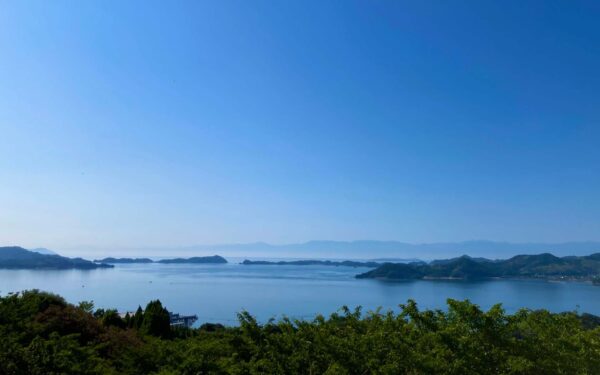
Shitorasu Park Setoda
Hiroshima
Free admission (some paid facilities)
Shimanami Kankitsu Nouen
Shimanami Kankitsu Nouen
Hiroshima
Orange picking experience: 1,500 yen for junior high school students and above (includes souvenir oranges)
Fruits Park Bizen
Fruits Park Bizen
Okayama
Grape picking: 1 bunch of Aurora Black 1,080 yen, 2 bunches of Pione 1,080 yen
Horiuchi Kajitsu Sono Guranfuronto Oosakaten
Horiuchi Kajitsu Sono Guranfuronto Oosakaten
Osaka
Please check the official website
Michi No Eki Kushigakino Sato
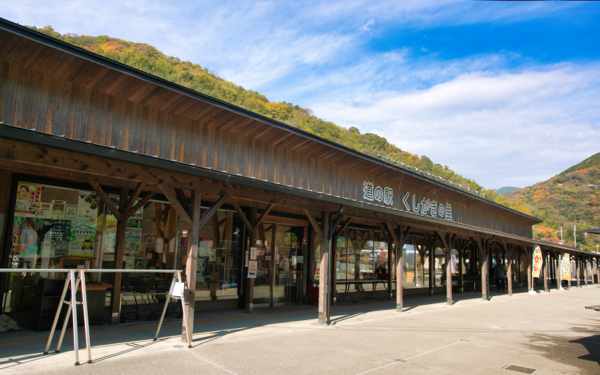
Michi No Eki Kushigakino Sato
Wakayama

Kannon Yama Fruits Garden
Kannon Yama Fruits Garden
Wakayama
Orange picking Adults 1,000 yen~

Akitsu No Garuten
Akitsu No Garuten
Wakayama
Depends on experience
Kuriyama Sono
Kuriyama Sono
Wakayama
Adult 600 yen (unlimited time all you can eat)
Itou Nouen
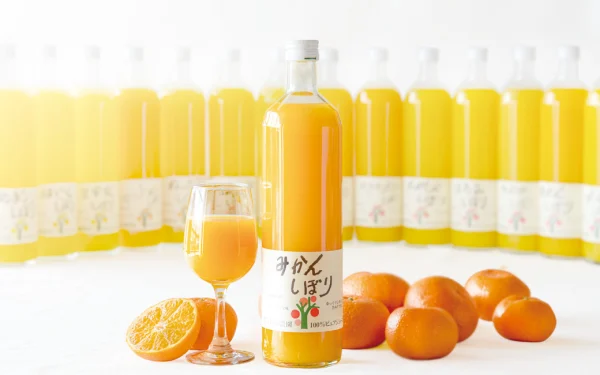
Itou Nouen
Wakayama
Orange picking: 3,000 yen for adults, 1,000 yen for elementary school students and younger (up to 2 people per adult)
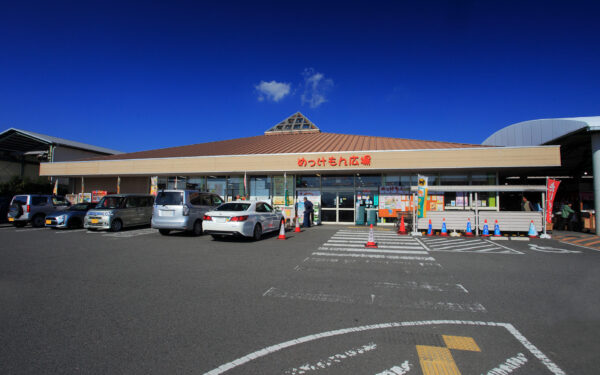
JA Kinosato Farmers Market Mekkemon Hiroba
Ja紀の里ファーマーズ Market Mekkemon Hiroba
Wakayama
Frequently Asked Questions
When is Mandarin Orange in season?
Where are the main growing regions for Mandarin Orange?
Where can I enjoy Mandarin Orange?
What is the best way to enjoy Mandarin Orange?
Share this fruit
🍊 Mandarin Orange — Find on Map
Discover nearby spots on our interactive map