Yuzu
In Season: Jan–Feb, Oct–Dec
🍋 Complete Guide to Yuzu Picking
The Appeal of Yuzu and the Joy of Fruit Picking
Yuzu is the quintessential aromatic citrus of Japanese food culture. Rather than a fruit whose juice you drink straight, yuzu is enjoyed for its refreshing, elegant aroma and acidity, which enhance dishes and beverages. Yuzu ponzu with hot pot dishes, a sliver of yuzu peel in clear soup, yuzu baths at the winter solstice -- yuzu has been woven into every season of Japanese life.
Yuzu picking is an experiential activity you can enjoy from autumn through winter. Yuzu trees are often planted on mountain slopes, and the experience of carefully harvesting each vivid yellow fruit in the crisp, clean mountain air is truly special. When you split open a freshly picked yuzu, the fresh, vibrant aroma fills the air around you -- a striking intensity of fragrance that is completely different from store-bought yuzu.
Another pleasure of yuzu picking is being able to take your harvest home and turn it into yuzu jam, yuzu tea, yuzu ponzu, and other homemade preparations. The flavor of something you made from yuzu you picked yourself is a world apart from anything you can buy.
Peak Season and Regional Differences
The yuzu season is broadly divided into two periods: "green yuzu" and "yellow yuzu."
Seasonal Characteristics
| Period | Type | Characteristics |
|---|---|---|
| August - September | Green yuzu | Green skin. Sharp, refreshing aroma. Ideal as a garnish for dishes |
| October - December | Yellow yuzu (ripe yuzu) | Yellow skin. Abundant juice. Ideal for yuzu baths, jam, and ponzu |
Green yuzu appears from late summer to early autumn and is still an unripe, green fruit. Its aroma is extremely sharp, making it prized as an accent in cooking. As it ripens through autumn and into winter, it turns yellow -- this is "yellow yuzu." Yellow yuzu has more juice and is used widely, from cooking to processed products. The peak season for yuzu picking is from November to December, when you can enjoy harvesting fragrant, golden-yellow yuzu.
Key Production Areas and Their Characteristics
Kochi Prefecture -- The overwhelming leader in yuzu production in Japan, accounting for over 50% of the national share. The main growing areas are mountainous regions such as Kitagawa Village, Umaji Village, and Aki City. Yuzu from Kochi is exceptionally aromatic, thanks to the wide temperature swings between day and night in these mountain areas. Kitagawa Village is said to be the "birthplace of yuzu" and is also the historic home of Nakaoka Shintaro. Umaji Village's yuzu products (such as the yuzu ponzu "Yuzu no Mura") are famous throughout Japan.
Tokushima Prefecture -- Japan's third-largest yuzu producer, holding about a 10% market share. The "Kito Yuzu" grown in the Kito district is particularly well regarded for its large size and outstanding aroma, and is a popular brand on the market.
Ehime Prefecture -- The second-largest producer, with about an 11% share. High-quality yuzu is cultivated in the prefecture's mild climate.
Oita Prefecture -- Known as a yuzu production area in Kyushu. While Oita is more commonly associated with kabosu citrus, yuzu cultivation also flourishes here.
Variety Guide -- Flavor and Characteristics
Compared to other fruits, yuzu has fewer variety variations, but there are several types, each with distinct characteristics.
Hon Yuzu (True Yuzu)
When people say "yuzu," they are usually referring to Hon Yuzu. The fruit is 5-8cm in diameter and weighs around 100-150g. The skin has a distinctive bumpy texture, and the yellow rind releases a rich, complex aroma. The juice is strongly acidic and rich in vitamin C. It is used in a wide range of applications, from flavoring dishes to making ponzu, jam, and yuzu tea. Growing Hon Yuzu from seed takes 15-18 years to bear fruit, giving rise to the Japanese saying "Peach and chestnut take three years, persimmon takes eight, but the foolish yuzu takes eighteen."
Hana Yuzu (Flowering Yuzu)
Smaller than Hon Yuzu, Hana Yuzu has a diameter of 3-4cm and weighs around 30-50g. Also called "Issai Yuzu" (one-year yuzu), it is characterized by its precocity -- it bears fruit within just a few years of planting. While its aroma is somewhat milder than Hon Yuzu, it is popular for home gardening because it is easy to grow. Despite its small size, it has a relatively high number of seeds.
Shishi Yuzu (Lion Yuzu)
While it belongs to the yuzu family, Shishi Yuzu is actually closer to a buntan (pomelo). The fruit is very large, reaching 15-20cm in diameter, with a bumpy surface that resembles a lion's head -- hence its name. It is mainly used as an ornamental or good-luck decoration during the winter solstice. The flesh is highly acidic and is sometimes used for making jam or candied preserves.
How to Choose Delicious Yuzu
Here are tips for selecting the best yuzu during picking or at the store.
Skin color and firmness -- For yellow yuzu, look for fruit with a uniformly vivid yellow color across the entire surface, which is a sign of full ripeness. The skin should be taut and spring back slightly when pressed. Avoid fruit that is shriveled or has soft, spongy skin, as it has lost its freshness.
Strength of aroma -- Aroma is yuzu's greatest asset. If you can detect the fragrance simply by holding the fruit near you, it is a sign that the yuzu is rich in aromatic compounds and of high quality.
Surface texture -- Fruit with a pronounced bumpy surface, characteristic of yuzu, is rich in essential oils in the peel. Yuzu with a more textured, rough surface tends to be more fragrant than those with a smoother surface.
Weight -- Fruit that feels heavy in your hand is full of juice. If you plan to use the juice, prioritize weight; if you plan to use the peel, prioritize aroma strength.
Tips to Get 10 Times More Out of Yuzu Picking
1. Bring Thick Gloves
Yuzu trees have sharp thorns. To protect your hands during harvesting, it is strongly recommended that you bring thick leather gloves or gardening gloves. Some farms may lend gloves, but having your own pair in the right size gives extra peace of mind.
2. Wear Long Sleeves and Long Pants
To protect your arms and legs from thorny branches, long sleeves and long pants are a must. Mountain orchards often have uneven terrain, so choose shoes with good grip.
3. Know the Difference Between Green Yuzu and Yellow Yuzu
Some farms offer picking experiences during both the green yuzu season and the yellow yuzu season. If you want yuzu for garnishing, visit during green yuzu season. If you want to make jam or yuzu tea, the yellow yuzu season is the way to go.
4. Process Your Harvest as Soon as Possible
Yuzu's aroma fades with each passing day after harvest. Process it as soon as possible after bringing it home. Thinly slicing the peel and freezing it lets you use it as a cooking garnish for an extended period.
5. Use Both the Peel and the Juice
The peel of the yuzu holds just as much appeal as the juice. The peel is rich in essential oil compounds such as limonene, making it perfect for flavoring dishes and for yuzu baths. The seeds contain pectin and are even used as an ingredient in homemade lotion. Make the most of every part of each yuzu you pick.
Nutrition and Health Benefits
While yuzu is a fruit you "use" rather than "eat," both its juice and peel contain excellent nutrients.
Vitamin C
Yuzu peel contains approximately 150mg of vitamin C per 100g, which is an extremely high level, even compared to lemon juice. Vitamin C boosts immunity and supports collagen production, helping to prevent colds and promote healthy skin. The tradition of taking a yuzu bath at the winter solstice can be seen as ancestral wisdom for absorbing vitamin C through the skin during the cold months.
Citric Acid
Citric acid, found abundantly in yuzu juice, is a component known for its fatigue-recovery properties. Citric acid is believed to activate the body's energy metabolism (the citric acid cycle) and promote the breakdown of fatigue-causing substances. It also helps the body absorb calcium and iron.
Limonene
The primary essential oil component in yuzu peel is limonene. It is the source of the refreshing citrus aroma and is believed to have relaxation and stress-reducing effects. The warming sensation you feel during a yuzu bath is attributed to limonene's circulation-boosting properties.
Hesperidin
A type of flavonoid found in the peel and the white pith (albedo) of yuzu. It is believed to strengthen capillaries and is expected to help improve cold sensitivity and promote blood flow.
Potassium
Potassium helps flush excess sodium from the body, aiding in the prevention of high blood pressure and the reduction of swelling.
Storage Methods and Tips for Taking Yuzu Home
Room Temperature Storage
Yuzu can be stored at room temperature for about one week in a cool location. However, the aroma gradually weakens over time, so it is best to use or process it as soon as possible.
Refrigerated Storage
Place yuzu in a plastic bag and store it in the vegetable compartment of your refrigerator to maintain freshness for about 2-3 weeks. Loosely closing the opening of the bag to prevent drying is the key.
Frozen Storage
Thinly slicing the peel and freezing it preserves the aroma for a long time. When ready to use, you can add it directly to dishes while still frozen, which is very convenient. Juice can be frozen in ice cube trays for easy single-use portions. You can also freeze yuzu whole -- grating it straight from the freezer actually makes the peel easier to shave than when fresh.
Tips for the Journey Home
Yuzu has a thick skin, making it more resistant to damage than other citrus fruits. However, if there are thorny stems still attached, they can scratch and damage other fruit, so trim the stems short at harvest time. Wrapping each fruit in newspaper before placing it in a plastic bag for transport prevents drying while also protecting against bruising.
Regional Guide -- Recommended Areas
Kochi Prefecture (Kitagawa Village and Umaji Village Area)
Within Kochi Prefecture, Japan's top yuzu-producing region, Kitagawa Village and Umaji Village are especially renowned growing areas. Kitagawa Village is known as the "birthplace of yuzu" and also offers tourist attractions such as "Kitagawa Village Monet's Garden Marmottan" and the "Nakaoka Shintaro Museum." Umaji Village, with a population of fewer than 1,000 people, is famous nationwide for its wildly successful yuzu products, and visiting the village immerses you in a landscape fragrant with yuzu. It is about 1.5 hours by car from central Kochi City.
Tokushima Prefecture (Naka Town and Kito Area)
The Kito district of Naka Town is famous as the home of "Kito Yuzu." Grown in high-altitude mountain terrain, Kito Yuzu is characterized by its large fruit and exceptionally intense aroma. Some facilities offer yuzu picking and yuzu pressing experiences. In this area, sometimes described as one of Shikoku's hidden gems, you can fully savor the appeal of yuzu in a lush natural setting.
Saitama Prefecture (Moroyama Town Area)
Moroyama Town in Saitama Prefecture is known as a yuzu-producing area within the Kanto region. The town is home to the "Katsuragi Yuzu" brand, and hosts a "Yuzu Festival" every November. With excellent access from central Tokyo (about one hour from Ikebukuro via the Tobu Ogose Line), it offers a convenient day trip for yuzu picking.
Frequently Asked Questions
Q. How much does yuzu picking cost?
Prices vary by farm, but a typical arrangement is an admission fee of 500-1,000 yen, with the harvested yuzu sold by weight (around 300-800 yen per kilogram). Some farms offer a "fill a bag" option for 1,000-1,500 yen.
Q. Are the thorns on yuzu trees dangerous?
Yuzu trees have sharp thorns, so care is needed when harvesting. Always wear thick gloves and long-sleeved clothing. When visiting with children, it is safest for adults to do the picking and hand the fruit to the children.
Q. Can yuzu be eaten raw?
Yuzu has an extremely strong acidity, so it is not well suited for eating on its own. The juice is typically used as a cooking accent, in dressings, or for ponzu, while the peel is used as a garnish, in jam, or in baking. Combining yuzu with honey for yuzu honey tea is a popular and easy way to enjoy its flavor.
Q. When is the best time for picking?
The best season for yellow yuzu picking is November to December. If you want green yuzu, visit from August to September. A popular idea is to time your harvest around the winter solstice (around December 22) and enjoy a yuzu bath at home.
Q. Can yuzu trees be grown at home?
Yuzu is one of the more cold-hardy citrus trees and can be grown outdoors in areas from the Kanto region and westward. However, growing from seed takes an extremely long time to produce fruit, so purchasing a grafted sapling is recommended. Grafted trees can bear fruit within 3-5 years of planting.
🍋 Yuzu Spots
7 spots

JA Farmers Market Tosanosato
Jaファーマーズ Market Tosanosato
Kochi
in-store prices
-600x375.webp)
JA Osaka Hokubu Hokusai Kan
Ja大阪北部 Hoku Sai Kan
Osaka
in-store prices

Michi No Eki Yotte Nishitosa
Michi No Eki Yotte Nishitosa
Kochi
Free admission. Specialty products are at in-store prices
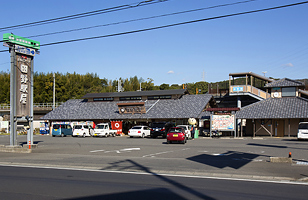
Michi No Eki Tano Eki Ya
Michi No Eki Tano Eki Ya
Kochi
Free admission. Specialty products are at in-store prices

Michi No Eki Fujigawa
Michi No Eki Fujigawa
Yamanashi
Free admission. Specialty products are at in-store prices

Umaji Mura Noukyou Yuzuno Mori Kakou Ba
Umaji Mura Noukyou Yuzuno Mori Kakou Ba
Kochi
Factory tour free of charge (no reservation required, confirmation required for groups)

Kitagawa Mura ( Mone No Niwa ) Marumottan
Kitagawa Mura ( Mone No Niwa ) Marumottan
Kochi
Frequently Asked Questions
When is Yuzu in season?
Where are the main growing regions for Yuzu?
Where can I enjoy Yuzu?
What is the best way to enjoy Yuzu?
Share this fruit
🍋 Yuzu — Find on Map
Discover nearby spots on our interactive map