Japanese Plum
In Season: May–Jul
Complete Guide to Japanese Plum Picking
The Appeal of Ume (Japanese Plum) and the Joy of Fruit Picking
Ume is an indispensable fruit in the story of Japanese food culture. Umeboshi (pickled plums), umeshu (plum wine), ume syrup, ume jam -- since ancient times, ume has been praised as a remedy that "eliminates three poisons" and has supported the health of the Japanese people as a remarkably versatile ingredient. Believed to have been introduced from China during the Nara period, ume is treasured not only for eating but also for the beauty of its blossoms in spring. The greatest charm of ume is that you can "enjoy both the flowers and the fruit."
Ume picking is a fruit picking experience you can enjoy during the refreshing early summer season. Reaching up into a tree and plucking each plump, green fruit one by one offers a simple, rustic pleasure unlike any other kind of fruit picking. When you visit an orchard, the sweet-tart fragrance of ume fills the air, and you can enjoy the harvest while feeling the early summer breeze.
The greatest joy of ume picking is being able to take your harvest home and prepare your very own homemade umeboshi, umeshu, or ume syrup. Harvesting "this year's ume" with your own hands and carefully preparing it through a labor of love -- this entire process is the true essence of umeshigoto (the seasonal tradition of ume preparation).
Peak Season and Regional Differences
The ume harvest period is relatively short, spanning only about one month from late May to early July. Since the ripeness of the ume determines its best use, it is important to harvest at the right time for your intended purpose.
Best Harvest Time by Intended Use
| Intended Use | Harvest Time | Condition of the Ume |
|---|---|---|
| Umeshu (plum wine) / Ume syrup | Late May - mid-June | Green ume (hard and green) |
| Ume jam | Early June - late June | Green ume to slightly yellow |
| Umeboshi (pickled plums) | Mid-June - early July | Fully ripe ume (yellow to reddish) |
Green ume is hard and strongly sour, making it ideal for umeshu and ume syrup. As it approaches full ripeness, it turns yellow and releases a sweet, peach-like fragrance. This fully ripe ume is best suited for making umeboshi. The peak season for ume picking is from early to mid-June, which happens to coincide with the rainy season.
Key Production Areas and Their Characteristics
Wakayama Prefecture -- Japan's number one ume producer by an overwhelming margin, accounting for over 60% of the nation's total output. The towns of Minabe and Tanabe alone produce more than 50% of all ume grown in Japan. Wakayama is the birthplace of Nanko Ume, and the "Minabe-Tanabe Ume System" has been designated a Globally Important Agricultural Heritage System, with a plum cultivation tradition spanning over 400 years. The warm climate and clear streams flowing from the Kii Mountains nurture high-quality ume. The ume picking season runs from early to late June.
Gunma Prefecture -- The leading ume-producing region in the Kanto area and the second-largest in Japan. Ume cultivation is particularly active in the Haruna district of Takasaki City and in Annaka City, and the "Akima Plum Grove," "Misato Plum Grove," and "Haruna Plum Grove" are famous for their blossoms as well. The large-fruited Shiroka variety is the mainstay, highly regarded for making umeshu.
Kanagawa Prefecture (Odawara and Soga Area) -- The Soga Plum Grove in Odawara City is one of the Kanto region's most renowned plum sites, with approximately 35,000 plum trees. With easy access from Tokyo (about one hour by Odakyu Line), you can enjoy the "Ume Festival" in February followed by ume picking in June. The Juro variety, a local heirloom cultivar, is well known in this area.
Nara Prefecture -- The Tsukigase district of Nara City is known for "Tsukigase Baikei" (Tsukigase Plum Valley), a scenic area where approximately 10,000 plum trees line the valley along the river. In addition to enjoying the beautiful scenery of plum blossoms and the gorge, visitors can also participate in ume picking.
Mie Prefecture -- The "Inabe City Plum Grove Park" in Inabe City is one of the largest plum groves in the Tokai region, with approximately 4,500 plum trees. It hosts not only plum blossom viewing but also ume harvesting experiences.
Variety Guide -- Flavor and Characteristics
Nanko Ume
Nanko Ume is the premier variety of Japanese ume. It originated in Minabe Town, Wakayama Prefecture, and now accounts for the majority of ume cultivation area nationwide. The fruits are large at 25-35g, with thin skin and thick flesh. When fully ripe, the fruit releases a sweet, peach-like aroma and its skin takes on a reddish hue. It is a versatile variety suited for umeboshi, umeshu, and ume syrup alike, and when made into umeboshi, it produces a soft, juicy result. The variety gets its name from Nanbu High School (now Nanbu High School), whose efforts were instrumental in researching and promoting this ume.
Shiroka
A large-fruited variety widely cultivated primarily in the Kanto region, with fruits weighing around 25-30g. The skin is a pale yellow-green, and the flesh is notably firm. When used for umeshu, the flesh holds its shape well, allowing the extract to be drawn out slowly, producing a mellow, deeply flavored plum wine. It is the flagship variety of Gunma Prefecture, and when people say "Gunma ume," they are most often referring to Shiroka.
Gojiro
A heritage variety from Wakayama Prefecture, also called the "Blue Diamond" for its beautiful green color. The fruit weighs 25-30g, with firm skin and tightly packed flesh. When used for umeshu, it produces a beautifully clear, amber-colored plum wine with a clean, crisp flavor. In recent years, cultivation area has been declining, making it an increasingly rare variety.
Bungo
Believed to be a cross between ume and apricot, this variety is notable for its very large fruit, weighing 40-50g. It is cultivated mainly in the Tohoku region and is cold-hardy. The thick, juicy flesh makes it well suited for ume jam and ume syrup. Its acidity is somewhat milder, producing umeboshi with a gentle, mellow flavor.
Juro
A heritage variety from Odawara, Kanagawa Prefecture, cultivated primarily around the Soga Plum Grove. The medium-sized fruit weighs 25-30g, with soft flesh and abundant juice. When made into umeboshi, it produces an exceptionally soft result, earning high praise from umeboshi producers in Odawara. Due to limited production, it is a prized variety that is hard to find outside the local area.
How to Choose Good Ume
Here are some tips for selecting the best ume during your picking experience.
Choose the ripeness to match your intended use -- For umeshu or ume syrup, select firm, bright green ume. For umeboshi, choose ume that has turned yellow and has a sweet fragrance, indicating it is fully ripe. If you are undecided, a good approach is to pick half green ume and half ripe ume.
Choose fruit without blemishes or spots -- When making umeboshi or umeshu, bruised or damaged ume can cause mold. Select fruit with clean, unblemished skin. However, ripe ume tends to develop brown spots from even slight impacts, so for umeboshi purposes, minor blemishes are not a concern.
Choose fruit of uniform size -- When preparing umeboshi or umeshu, using ume of consistent size ensures more uniform results. Large fruit of L-size (approximately 25g) or above has more flesh, providing a more satisfying umeboshi.
Judge ripeness by fragrance -- Fully ripe ume gives off a sweet, rich aroma reminiscent of peach. If you can smell a sweet fragrance as you stand near a tree, that tree is bearing ripe fruit.
Tips to Get 10 Times More Out of Ume Picking
1. Decide Your Purpose Before You Go
Whether you want to make umeshu, umeboshi, or ume syrup -- the ideal ripeness of the ume differs depending on your goal. Deciding in advance allows you to ask the farm staff specific questions like "Which tree has good green ume for umeshu?" making it easier to select the best fruit.
2. Be Fully Prepared for the Rainy Season
The ume picking season coincides with the rainy season. Bring a rain jacket and rain boots, and come prepared to enjoy the experience even in wet weather. Farm grounds are often muddy, so wear shoes and clothes that you do not mind getting dirty.
3. Do Not Overlook Fallen Ripe Ume
For umeboshi, the best fully ripe ume are those that have naturally fallen from the tree. A yellow plum that has just dropped to the ground is at the ideal stage of ripeness for making umeboshi. However, avoid any that have been on the ground too long and show signs of damage.
4. Calculate the Amount You Need in Advance
To make 1kg of umeboshi, you need about 1kg of ume (varies by salt concentration). For 1.8 liters of umeshu, you need 1kg of ume. For 1 liter of ume syrup, you need 1kg of ume. Work backward from the quantity you want to prepare to determine how much to pick, and you will avoid waste.
5. Start Processing Immediately After Returning Home
Ume continues to ripen after harvest. If you want to use green ume for umeshu, soak them in water for 2-4 hours as soon as you get home to remove the bitterness, then begin preparation. Ripe ume spoils quickly, so ideally you should start the umeboshi preparation process the same day you bring them home.
Nutrition and Health Benefits
Ume could be called "Japan's oldest supplement" -- it has long been prized as a food with medicinal properties. Its nutritional value and health benefits are further enhanced when processed into umeboshi.
Citric Acid
Citric acid is the key component behind ume's health benefits. Ume fruit contains approximately 4g of citric acid per 100g, which is comparable to the amount found in lemons. Citric acid activates the body's energy metabolism (the citric acid cycle) and promotes the breakdown of fatigue-causing substances. The habit of reaching for an umeboshi when you are tired is a practice backed by science.
Antibacterial Properties
The citric acid in umeboshi has bacteriostatic properties that inhibit the growth of bacteria that cause food poisoning. The tradition of placing an umeboshi in a bento box or onigiri is a time-honored wisdom, born from centuries of experience with its preservative effect.
Enhanced Mineral Absorption
Citric acid has a "chelating effect" that promotes the absorption of calcium and iron. Eating umeboshi along with milk or small fish is believed to enhance calcium absorption. This may also help in the prevention of osteoporosis.
Polyphenols
Ume contains polyphenols such as catechin and chlorogenic acid, which are known for their antioxidant properties. Umeboshi in particular contains a substance called vanillin, which research has shown may promote the burning of fat cells.
Organic Acids
In addition to citric acid, ume also contains malic acid and succinic acid. These organic acids are effective for regulating digestion and stimulating appetite. The reason eating an umeboshi restores your appetite when you have lost it to summer fatigue is due to the action of these organic acids.
Storage Methods and Tips for Taking Ume Home
Storing Green Ume
Green ume continues to ripen after harvest, so if you plan to use it for umeshu or ume syrup, processing it as soon as possible is ideal. If you cannot prepare it right away, wrap it in newspaper and store it in the vegetable compartment of your refrigerator. It will keep for 2-3 days, but any longer and it will turn yellow as it continues to ripen.
Storing Ripe Ume
Ripe ume is extremely perishable, so it is best to begin umeboshi preparation on the day of harvest. If you must wait until the following day, spread the ume on a flat basket in a well-ventilated area, making sure the fruit does not overlap. Be aware that storing it in the refrigerator can cause the fragrance to fade.
Freezing
If you cannot use your ume right away, freezing is an option. Wash the green ume, soak it to remove bitterness, then thoroughly dry it before placing it in a zippered bag and freezing. Frozen ume actually has an advantage when used for umeshu or ume syrup: the freezing process breaks down the cell walls, allowing the extract to be released more easily, resulting in a faster preparation time than with fresh ume.
Tips for the Journey Home
Ume, especially ripe ume, is a delicate fruit. Arrange your harvested ume in a single layer on a flat basket or tray for the trip home, rather than piling them up. Stuffing them into a plastic bag can crush the fruit at the bottom. The humid heat of the rainy season also accelerates deterioration, so an insulated bag provides extra peace of mind.
Regional Guide -- Recommended Areas
Wakayama Prefecture (Minabe and Tanabe Area)
This is the home of Nanko Ume and a major ume production area designated as a Globally Important Agricultural Heritage Site. Minabe Town has farms offering ume picking experiences and processing workshops where you can even make fresh ume juice on the spot with your harvest. The "Kishu Umeboshi-kan" (Kishu Pickled Plum Museum) also offers factory tours of umeboshi production. It is about 2 hours by car from Osaka, and accessible via JR Kinokuni Line to Minabe Station. The season runs from early to late June.
Gunma Prefecture (Takasaki and Annaka Area)
The largest ume production area in the Kanto region, with magnificent plum groves stretching along the foothills of Mt. Haruna. The three great plum groves -- Akima, Misato, and Haruna -- are famous, and farms offering ume picking experiences dot the area. You can harvest large Shiroka ume, ideal for making umeshu. From Tokyo, it is about 50 minutes by Shinkansen to Takasaki Station, or about 1.5 hours by car via the Kan-etsu Expressway.
Kanagawa Prefecture (Odawara and Soga Area)
One of the most accessible ume picking spots from Tokyo. The Soga Plum Grove, with approximately 35,000 plum trees, is one of the largest in the Kanto region, offering harvests of the local Juro and Shiroka varieties. The easy access -- about one hour from Shinjuku by Odakyu Line -- combined with nearby attractions like Odawara Castle and the Suzuhiro Kamaboko Village makes it ideal for a day trip.
Nara Prefecture (Tsukigase Area)
Tsukigase Plum Valley is a scenic site with approximately 10,000 plum trees planted along the Nabari River gorge. While famous as a plum blossom viewing spot, ume picking experiences are also held in June. Picking ume while enjoying the beautiful scenery of plum trees and the gorge is a truly special experience. It is about one hour by car from central Nara City.
Frequently Asked Questions
Q. How much does ume picking cost?
Prices vary by farm, but a typical arrangement is an admission fee of 500-1,000 yen, with the harvested ume sold by weight at 300-800 yen per kilogram. Some farms offer plans that include a set amount of ume in the admission fee (for example, 1,000 yen admission with 1kg of ume included).
Q. What should I wear for ume picking?
Since the season falls during the rainy period, prepare a rain jacket and rain boots. Farm grounds are often muddy, so wear clothes you do not mind getting dirty. Work gloves are handy for plucking ume from the branches.
Q. Can you eat green ume raw?
Green ume contains trace amounts of amygdalin (a cyanogenic glycoside), so eating large quantities raw should be avoided. However, amygdalin breaks down during the processing into umeshu, umeboshi, and other prepared products, so these are perfectly safe to consume.
Q. Are reservations required for ume picking?
Most farms operate on a reservation basis. Since the optimal harvest window for ume is short and opening days may change depending on weather and fruit ripeness, it is best to contact the farm in advance to book your visit.
Q. What is the best first-time ume project for beginners?
For beginners, ume syrup is the easiest and most recommended option. Simply layer equal amounts of green ume and rock sugar in a jar, and in 2-3 weeks, your homemade ume syrup will be ready. Mix it with sparkling water for a refreshing ume drink that children love too.
Q. Is ume picking enjoyable for families with children?
Ume picking is a great activity for families with children. If trees have low-hanging fruit, children can reach it themselves. After the harvest, the experience of making ume syrup together as a family makes for a wonderful memory and a hands-on food education opportunity.
Japanese Plum Spots
5 spots
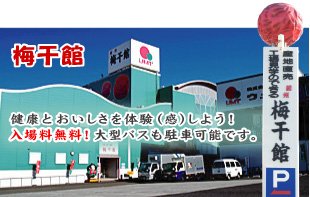
Kishuuume Kan Kan
Kishuuume Kan Kan
Wakayama
Free admission, umeboshi making experience 2,500 yen, plum juice making 1,500 yen, plum wine making 2,500 yen
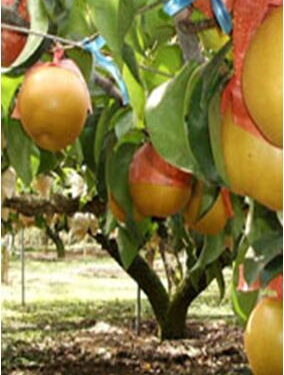
Horiguchi Nouen
Horiguchi Nouen
Gunma
Plum picking experience Picked plums 450 yen/kg
Kishuu Honjou Umeyoshi
Kishuu Honjou Umeyoshi
Wakayama
Plum picking experience 500 yen (homemade plum juice included after the experience)
-600x375.jpg)
Puramu Koubou ( Iwamoto Shokuhin )
Puramu Koubou ( Iwamoto Shokuhin )
Wakayama
Green plum picking experience 1,000 yen/person (includes 1kg of harvested green plums, early to late June, reservation required)
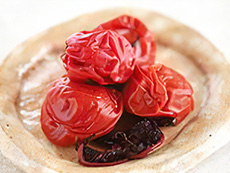
Teragaki Nouen
Teragaki Nouen
Wakayama
Pesticide-free plum picking + plum juice making experience 5,000 yen (June, reservation required)
Frequently Asked Questions
When is Japanese Plum in season?
Where are the main growing regions for Japanese Plum?
Where can I enjoy Japanese Plum?
What is the best way to enjoy Japanese Plum?
Share this fruit
Japanese Plum — Find on Map
Discover nearby spots on our interactive map