Peach
In Season: Jun–Sep In Season
🍑 Peach
Japan produces less than 0.5% of the world’s peaches, yet its quality is unmatched. White peaches (hakuto), originating in Okayama, are prized for their delicate flesh and overflowing juice.
🍑 Complete Guide to Peach Picking
The Appeal of Peaches and the Joy of Fruit Picking
Japanese peaches are an exceptionally delicate and delicious fruit, unmatched anywhere in the world. Soft, juicy flesh, an elegant sweetness, and a delicate fragrance that gently fills the air. That blissful moment when you bite in and juice floods your mouth is an experience unique to peaches. In Japan, peaches have been treasured since ancient times as a "fruit of longevity," and they hold a special place as a gift for mid-summer greetings and other occasions.
Peach picking is a popular summer fruit-picking activity. Under blue skies, surrounded by the sweet fragrance of a peach orchard, the experience of choosing a perfectly ripe peach with your own eyes, feeling it in your hand, and harvesting it creates some of the best memories of summer. Peaches sold in supermarkets are often harvested slightly firm to withstand shipping, but peaches enjoyed during peach picking are "tree-ripened" -- allowed to reach full maturity before being picked -- giving them an extraordinary flavor.
Peach flavors vary greatly by variety: some are juicy with a melt-in-your-mouth texture, others have a firm bite, and still others carry a pleasant tartness. Peach picking offers the wonderful opportunity to compare these different varieties by tasting them directly.
Peak Season and Regional Differences
The peach season is relatively short, with peach picking generally available from mid-June to late September. Thanks to a succession of different varieties, you can enjoy peaches across a span of two to three months, but each individual variety has a peak eating window of only about two to three weeks -- one of the defining characteristics of peaches.
Peak Seasons by Variety
Peach varieties are broadly classified as "early-ripening," "mid-season," and "late-ripening."
The leading early-ripening variety is Hikawa Hakuho, which arrives earliest on the market from mid-June to early July. It is known for its abundant juice and refreshing sweetness. Next comes Hakuho, which peaks from mid-July to early August. With its minimal acidity and elegant flavor, it is one of the most popular varieties for peach picking. The mid-season variety Akatsuki reaches its peak from early to late August, offering a well-balanced combination of sweetness and acidity with firm flesh. The late-ripening Kawanakajima Hakuto is in season from mid-August to early September, prized for its firm flesh and rich sweetness.
Characteristics by Major Growing Region
Yamanashi Prefecture -- Japan's top peach producer, accounting for approximately 30-35% of the national output. Peach orchards spread across the Kofu Basin, and the city of Fuefuki has declared itself the "top producer of peaches and grapes in Japan." The basin's characteristically hot, dry climate and well-drained alluvial fan soils produce peaches with high sugar content. The peach-picking season runs from late June to late August, with mid-July to mid-August being the peak period. Easy access from Tokyo (about 90 minutes by car) makes it a popular destination for day-trip peach picking.
Fukushima Prefecture -- The second-largest peach producer in Japan. The Iizaka area near Fukushima City is known as the "Fruit Village." Fukushima's signature peach variety is Akatsuki, known for its pronounced sweetness and satisfying texture. The peak picking season runs from late July to late August, and many orchards are located just about 20 minutes by car from Fukushima Station. The convenience of being only about 90 minutes from Tokyo via the Tohoku Shinkansen is another draw.
Okayama Prefecture -- Nationally renowned as the "home of white peaches," Okayama peaches are characterized by their beautiful white appearance and refined sweetness. The prefecture is also famous as a producing region for Shimizu Hakuto, which peaks from late July to early August. With its smooth texture and delicate sweetness, Shimizu Hakuto is sometimes called the "Queen of Peaches." The peach-picking season runs from early July to late August.
Nagano Prefecture -- The cool mornings and evenings of Nagano's highland climate produce exceptionally sweet peaches. As the birthplace of the Kawanakajima Hakuto variety, Nagano offers peach picking from mid-August through September -- somewhat later than other producing regions.
Variety Guide -- Flavors and Characteristics
Hakuho
One of the most iconic Japanese peach varieties, Hakuho is the most popular variety for peach picking. The skin is a beautiful white with a blush of crimson. The flesh is white and soft, and so brimming with juice that it drips down when you bite into it. Sugar content is 12-14 degrees Brix, and the minimal acidity lets you enjoy an elegant sweetness. A standard peach weighs 250-300g. Peak season is mid-July to early August. In Yamanashi Prefecture, the eating window for Hakuho is especially narrow -- mid to late July -- so timing your visit carefully is essential.
Akatsuki
Bred from a cross between Hakuto and Hakuho, Akatsuki is one of the most widely cultivated peach varieties in Japan. Its flesh has a firmer texture than Hakuho. Sugar content is a high 13-15 degrees Brix, with an exquisite balance of sweetness and acidity that makes it a great choice for those who prefer a firm peach. Fukushima Prefecture is the main producing region, and for many people, "Fukushima peach" is synonymous with Akatsuki. Peak season is early to late August. It also has relatively good shelf life.
Kawanakajima Hakuto
Discovered in the Kawanakajima district of Nagano City, this is a leading late-season variety. Its somewhat firm flesh provides a satisfying bite, making it especially popular with those who prefer a firmer peach. Sugar content is a high 14-16 degrees Brix, delivering a rich sweetness. Each fruit weighs a generous 300-350g, offering plenty of substance. Peak season is mid-August to early September, making it the variety that closes out the peach season.
Shimizu Hakuto
A premium variety representing Okayama Prefecture, Shimizu Hakuto is sometimes called the "Queen of Peaches." Its flesh is incredibly smooth with a melt-in-your-mouth texture that is its greatest appeal. Both the skin and flesh are notably pale, giving it an elegant appearance and delicate flavor. Sugar content is moderate at 12-13 degrees Brix, but the near absence of acidity makes the sweetness stand out. Because it bruises easily, supply is limited, and eating it at the source is the best way to enjoy it. Peak season is a brief window of about two weeks from late July to early August.
Ogonto (Golden Peach)
A distinctive variety with yellow flesh that makes a visual impact. It has a tropical flavor reminiscent of mango, offering a taste experience completely different from ordinary white peaches. Sugar content is 12-15 degrees Brix, with a characteristic sweetness and unique aroma. Peak season is mid-August to early September, and this variety has been growing in popularity in recent years.
Tips for Comparing Varieties
When enjoying multiple varieties during peach picking, it is best to start with milder varieties and work your way toward richer ones. Also, try comparing peaches of the same variety at different stages of firmness to discover your preferred level of ripeness. A softer peach is not necessarily sweeter -- some varieties are plenty sweet even when firm -- so keep an open mind and try a range.
Tips and Ways to Enjoy Peach Picking
How to Spot a Delicious Peach
Here are some tips for selecting the best peaches at the orchard.
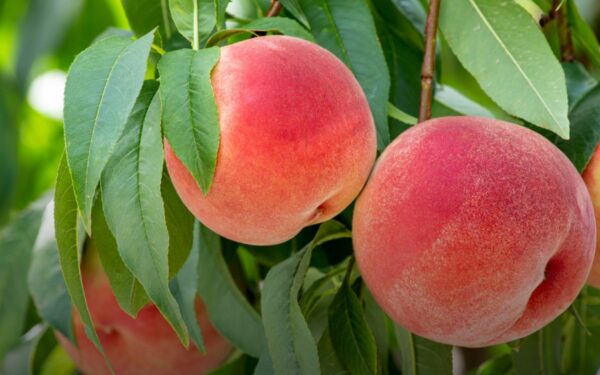
First, choose peaches with a vivid, well-defined red color throughout. A peach that is red all the way up to the stem end (the top) has received plenty of sunlight. Small white speckles (lenticels) visible on the red areas tend to indicate higher sugar content and are a sign of good flavor.
Next, check the color of the area near the stem (the top). A clean white or cream color in this area is ideal. Greenish tones may indicate the peach is not yet ripe, while strong yellowing suggests it may be overripe.
Peaches that are symmetrical and well-rounded tend to have received nutrients evenly, resulting in well-balanced flavor. Irregularly shaped peaches may have uneven taste.
Additionally, a strong, sweet fragrance is a sure sign of a fully ripe peach. Lean in close and check whether you can detect that characteristic fruity aroma.
Proper Harvesting Technique
Peaches bruise very easily, so harvesting requires great care. To pick a peach, cradle the fruit gently from below in your palm, then twist it upward with a gentle motion to detach it. Pulling or squeezing will damage the flesh. The fine, fuzzy hairs on the peach's surface help preserve freshness, so try not to handle the fruit more than necessary.
At some orchards, the peaches you pick yourself are for take-home only, and the orchard provides separately prepared peaches for eating on-site. This is because the orchard selects peaches at their peak ripeness and chills them for you, ensuring you enjoy them at their most delicious.
Eating Tips
Peaches lose some of their perceived sweetness when overly chilled. For the best flavor, place the peach in the refrigerator one to two hours before eating, or briefly soak it in ice water for about 10 minutes just before eating. A slightly cool temperature, rather than ice-cold, allows you to fully enjoy the peach's natural sweetness and fragrance.
As for how to eat them, biting right into a whole peach skin and all is the most rustic and fun way to enjoy them at the orchard. If the texture of the skin bothers you, peeling with a knife is also fine. A fully ripe peach will have skin that slips off so easily you can often peel it just by pinching it with your fingertips.
What to Bring and What to Wear
The essential items for peach picking are much the same as for grape picking, but wet wipes and a towel are especially important. Peaches are extremely juicy, and eating them will leave your hands and face quite sticky, so you will need something to wipe up frequently.
Peach juice stains clothing easily, so wear clothes you do not mind getting dirty. In particular, avoid white or favorite garments. Peach juice stains become harder to remove over time, so rinse affected areas with water as quickly as possible.
Midsummer peach orchards get very hot, so a hat, sunscreen, and drinks are must-haves. Bringing a cooler bag and ice packs allows you to transport take-home peaches in fresh condition.
Major Growing Region Guide
Yamanashi Prefecture (Fuefuki and Yamanashi City Area)
Fuefuki City and Yamanashi City are surrounded by so many peach orchards that the area is called a "paradise of peach blossoms." In spring, the landscape turns pink with peach blossoms, making it a popular spot for peach blossom viewing. Many peach-picking orchards are located near JR Isawa-Onsen Station and Yamanashi-shi Station, with convenient access from Tokyo. Since the area is close to a hot spring town, a popular itinerary is to enjoy peach picking followed by a relaxing hot spring bath.
Fukushima Prefecture (Iizaka and Fukushima Station Area)
Heading north from the west exit of Fukushima Station along the prefectural road, you will find the "Fruit Line," a stretch of orchards extending approximately 14km. During peach season, the area bustles with visitors. Fukushima peaches, centered on the Akatsuki variety, can be enjoyed over a long period from late June to early October through a succession of varieties.
Okayama Prefecture (Okayama City and Kurashiki City Area)
Okayama Prefecture's peaches are nationally renowned under the "White Peach" brand, and are especially popular as premium gifts. The Ichinomiya area in Okayama City's Kita Ward is a thriving peach-growing district with many orchards offering peach picking. Access from central Okayama City is convenient, and combining peach picking with sightseeing at Korakuen Garden or the Kurashiki Bikan Historical Quarter makes for a wonderful travel plan.
Frequently Asked Questions
Q. How much does peach picking cost?
For all-you-can-eat plans, the typical price range is 1,500-3,000 yen per adult. Prices vary depending on the variety and location of the orchard. For pick-and-take-home only plans, expect around 800-2,000 yen per kilogram. Premium varieties (such as Shimizu Hakuto) may be priced higher.
Q. How long does peach picking take?
All-you-can-eat time limits are generally 30-60 minutes. Since peaches are quite filling, even 30 minutes is plenty of time. Most adults feel full after eating 3-5 peaches.
Q. Any tips for visiting with children?
Unlike grape trellises, peach trees bear fruit at a somewhat higher position, so it may be difficult for small children to pick peaches on their own. Adults can handle the picking and let the children enjoy the eating. Peaches are soft and easy to eat, so even small children love them.
Q. Are there allergy concerns?
Peaches belong to the Rosaceae family and can cause oral allergy syndrome (OAS). People with hay fever (especially birch or alder pollen allergies) may experience itching in the mouth or throat when eating peaches, so caution is advised. If you have concerns, consult a doctor beforehand.
Q. Any tips for taking peaches home?
Peaches are extremely delicate, and even slight impacts can cause bruising that leads to rapid deterioration. When taking peaches home, wrap each one individually in a fruit cap or paper towel and arrange them with the stem side facing down rather than laying them on their sides. Place them in a cooler bag with ice packs for the trip home, and they will stay fresh. At home, store them at room temperature and chill in the refrigerator for one to two hours before eating for the best flavor. Peaches that are still firm will continue to ripen at room temperature over several days. Since refrigeration stops the ripening process, wait until the peach reaches your preferred level of softness before chilling.
Nutrition and Health Benefits
Peaches offer more than just sweet, juicy flavor -- they are packed with a variety of nutrients. According to the Standard Tables of Food Composition in Japan (8th edition), white-fleshed peaches (raw) contain just 38 kcal per 100g of edible portion, making them relatively low in calories among fruits. They contain 180mg of potassium, which helps regulate blood pressure by flushing excess sodium from the body.
One of the most noteworthy nutrients in peaches is pectin, a type of soluble dietary fiber. Total dietary fiber content is 1.3g per 100g, and pectin excels at promoting digestive health by increasing beneficial gut bacteria and improving bowel regularity. Pectin is also known to help suppress rises in blood cholesterol levels, potentially contributing to the prevention of lifestyle-related diseases.
Peaches contain 0.7mg of vitamin E per 100g. Vitamin E is a fat-soluble antioxidant vitamin that protects cell membranes from free radical damage and promotes blood circulation. Its role in supporting skin cell renewal has also made it a nutrient of interest in beauty care. Niacin (vitamin B3) is present at 0.6mg per 100g, which is relatively high for a fruit, and it contributes to maintaining the health of skin and mucous membranes.
The skin and flesh of peaches also contain polyphenols such as catechins. Catechins have antioxidant properties and help neutralize free radicals, which are considered a factor in aging. Since the skin contains more of these polyphenols than the flesh, eating the skin along with the fruit -- when the variety has thin skin and pesticide exposure is not a concern -- allows you to take in the full range of nutrients.
While the vitamin C content at 8mg per 100g is not exceptionally high, the organic acids in peaches -- such as citric acid and malic acid -- promote energy metabolism and help with recovery from summer fatigue and exhaustion. Eating chilled peaches on a hot summer day makes perfect sense both in terms of taste and nutrition -- a true example of seasonal eating wisdom.
Storage Tips and Taking Peaches Home
How to Transport Peaches from the Orchard
Peaches are among the most delicate fruits, easily damaged by impact or pressure. Careful handling is essential when taking home peaches from a picking outing. Start by wrapping each fruit individually in a fruit cap (a net-like cushioning material) or newspaper. Some orchards provide wrapping materials, but it is a good idea to bring your own newspaper or paper towels just in case. Peaches bruise easily when weight is placed on top of them, so secure them in a box or basket so they do not roll around, and make sure they are not buried under other luggage. If placing them in a cooler bag, wrap the ice packs in a towel so they do not come into direct contact with the fruit.
Refrigeration, Room Temperature, and Freezing Techniques
Peaches are a fruit that continues to ripen after harvest. If the flesh is still firm, leave the peach in a well-ventilated spot away from direct sunlight at room temperature, and it will ripen to eating perfection in one to three days. Wrapping it in newspaper can speed up the ripening process through the effect of ethylene gas.
Once a peach has reached its peak ripeness, store it in the vegetable crisper of your refrigerator. Wrap it in newspaper or paper towels, place it in a plastic bag with the stem side down, and it will keep for about 2-3 days. However, since peaches lose some of their perceived sweetness when overly chilled, take the peach out of the refrigerator 30 minutes to an hour before eating to bring it back to room temperature, or dip it in ice water for 10-15 minutes to chill just the surface. This gives you the perfect balance of sweetness and refreshing coolness.
To freeze peaches, peel them, cut them into wedges, sprinkle with a little lemon juice to prevent browning, then place them in a freezer bag and freeze. They will keep for about a month and can be enjoyed semi-thawed as a smoothie ingredient or sorbet.
How to Tell When a Peach Is at Its Best
A peach is at its best when the entire fruit is plump and rounded, with even coloring all the way to the area around the stem. When you touch it gently, a slight give indicates the ideal level of ripeness. When you notice a strong, sweet, rich fragrance, the peach is right at its peak.
Best Season Month-by-Month -- Variety Relay Calendar
The peach season is relatively short, but a succession of varieties allows you to enjoy peaches from June through September. However, since each variety's eating window is only about two to three weeks, timing is essential if you have a particular variety in mind.
Visiting in June -- Chiyohime and Hanayome
From mid-June to early July, you can enjoy the very earliest ultra-early varieties. Chiyohime and Hanayome are small but intensely sweet, leading the charge as the first peaches of the season. This is also the time when some orchards in Yamanashi Prefecture begin offering greenhouse-grown peach picking.
Visiting in July -- Hikawa Hakuho and Hakuho
July marks the true start of peach-picking season. Hikawa Hakuho peaks from early to mid-July, known for its abundant juice and refreshing sweetness. From mid-July onward, Hakuho makes its appearance, winning fans with its minimal acidity and elegant, melt-in-your-mouth texture. Hakuho is considered the "most popular" variety at many orchards, and many repeat visitors plan their trips specifically around this window.
Visiting in August -- Akatsuki and Kawanakajima Hakuto
August is the peak season for peach picking. Akatsuki reaches its prime from early to mid-August, with a well-balanced sweetness and acidity and firm flesh that provides a satisfying eating experience. It is one of the most widely produced varieties in the country. From mid-August onward, Kawanakajima Hakuto comes into season. Its firm flesh and rich sweetness make it a favorite among those who prefer a peach with some bite.
Visiting in September -- Ogonto and Sakura
September is the end of the season, but you can still enjoy late-ripening varieties. Ogonto (Golden Peach) has yellow flesh and a tropical sweetness reminiscent of mango, offering a taste experience quite different from ordinary white peaches. Sakura is a late-season variety available through mid-September, noted for its high sugar content and good keeping qualities.
Tips for Families with Children
Choosing a Child-Friendly Orchard
When planning a peach-picking outing with children, check in advance about the height of the peach trees and the condition of the orchard paths. Many orchards grow peach trees as low bushes, so elementary school-age children may be able to reach the fruit on their own. However, since many orchards are on sloped terrain, it is best to confirm directly with the orchard whether stroller access is possible. Also check for restroom and handwashing facilities ahead of time.
Enjoying Peach Picking by Age Group
For children aged 0-2, cut peaches into small pieces before feeding. While peaches are soft and well-suited for baby food, be aware of potential allergic reactions if it is the child's first time eating peach. Peaches are among the fruits most commonly associated with allergies, so start with a small amount for first-time eaters.
Children aged 3-5 can enjoy picking peaches together with an adult. Teach them the gentle technique of holding the branch and softly twisting the fruit, and they will develop a greater interest in fruit. Since peaches are very juicy, an apron or smock is helpful for protecting clothes during eating.
For elementary school-age children, teaching them about variety differences turns the outing into a food education experience. Tasting the melting texture of Hakuho, the firm bite of Akatsuki, and the unique sweetness of Ogonto together is a wonderful opportunity to deepen their interest in food.
Benefits of Elevated Cultivation
Peaches are grown using standard open-air cultivation and are not raised on elevated benches. However, many peach trees bear fruit at relatively low positions, so an adult who bends down slightly can show the fruit at a child's eye level. Some orchards use scissors for harvesting while others let you pick by hand, so if you are visiting with small children, choosing an orchard that allows hand-picking is the safer option.
Varieties
Peach Is in Season Now! Find a Spot
Peach is in season right now, available at 113 spots across Japan.
🍑 Peach Spots
113 spots
Kurashiki Hakuto Farm
Kurashiki Hakutou Sono
Okayama
¥2,000–
Fuefuki Togenkyo Farm
Fuefuki Togenkyo Farm
Yamanashi
¥1,900–
Fukushima Togenkyo Farm
Fukushima Togenkyo Farm
Fukushima
¥1,700–
Yamagata Peach Village
Yamagata Momo No Sato
Yamagata
¥1,800–
Kishu Peach Orchard
Kishuu Momobatake
Wakayama
¥1,900–
Itagaki Fruits Cafe Esuparu Sendaiten
Itagaki Fruits Cafe Esuparu Sendaiten
Miyagi
Sanzu Fruits Parlor Ka Kura
Sanzu Fruits Parlor Ka Kura
Miyagi
Kureepu House Kajitsu No Hoshino Ya
Kureepu House Kajitsu No Hoshino Ya
Niigata
Beji Kakeru
Beji Kakeru
Nagano
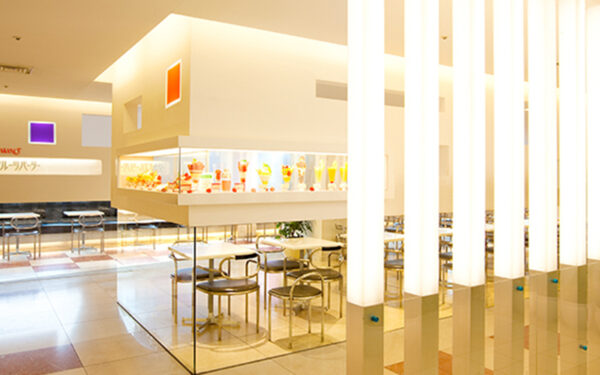
Takano Fruits Parlor Shinjuku Honten
Takano Fruits Parlor Shinjuku Honten
Tokyo
Parfait 1,500-3,000 yen / Fruit Sandwich 1,200-1,800 yen
Senbiki Ya Souhonten Fruits Parlor
Senbiki Ya Souhonten Fruits Parlor
Tokyo
Ginza Senbiki Ya Fruits Parlor Ginza Honten
Ginza Senbiki Ya Fruits Parlor Ginza Honten
Tokyo
Shibuya Nishimura Fruits Parlor
Shibuya Nishimura Fruits Parlor
Tokyo
Kajitsu Sono Riiberu Meguro Mise
Kajitsu Sono Riiberu Meguro Mise
Tokyo
Mizu Shin Fruits Parlor
Mizu Shin Fruits Parlor
Kanagawa
Fruits Parlor Hironori Ya Ikeshita Honten
Fruits Parlor Hironori Ya Ikeshita Honten
Aichi
Niwa Fruits
Niwa Fruits
Aichi
Aroo Tree Karasuma
Aroo Tree Karasuma
Kyoto
Kannon Yama Fruits Parlor Koubeten
Kannon Yama Fruits Parlor Koubeten
Hyogo
Fruit Cafe Saita
Fruit Cafe Saita
Hyogo
Harebare
Harebare
Okayama
Kannon Yama Fruits Parlor Wakayama Honten
Kannon Yama Fruits Parlor Wakayama Honten
Wakayama
Fuji Momo Iori
Fuji Momo Iori
Wakayama
Fruits Koubou Efu ( Matsuki Kajuen )
Fruits Koubou Efu ( Matsuki Kajuen )
Fukuoka
Tenmonkan Kajitsu Dou
Tenmonkan Kajitsu Dou
Kagoshima
Michi No Eki Koube Fruits ・ Flower Park Oosawa
Michi No Eki Koube Fruits ・ Flower Park Oosawa
Hyogo
Free admission (fees apply for some facilities)
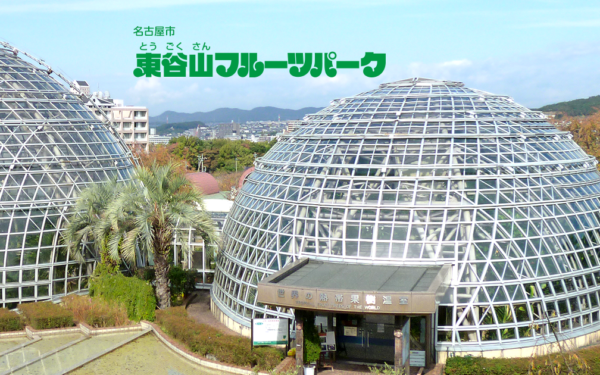
Azumaya Yama Fruits Park
Azumaya Yama Fruits Park
Aichi
Free admission (World Tropical Fruit Greenhouse 300 yen for adults)
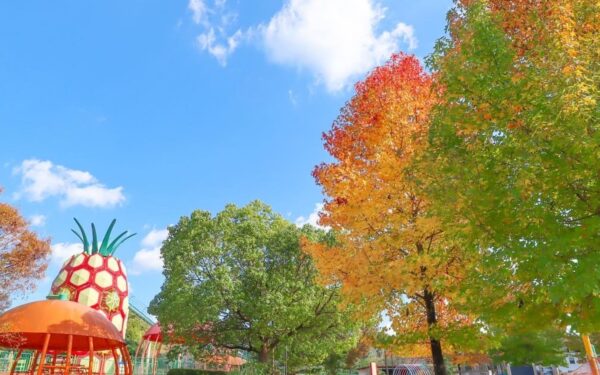
Hamamatsu Fruits Park Toki Yuki Sei
Hamamatsu Fruits Park Toki Yuki Sei
Shizuoka
Free admission (some paid experiences and facilities are available)
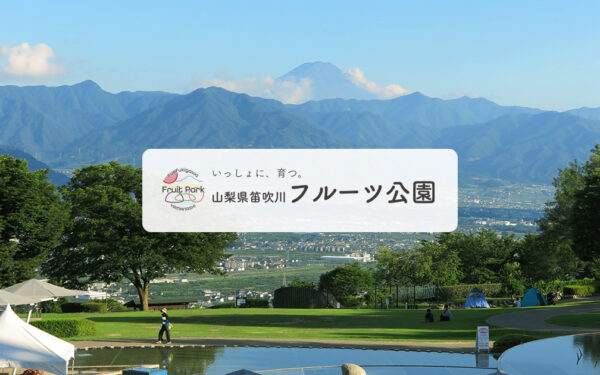
Fuefuki Kawa Fruits Koen
Fuefuki Kawa Fruits Koen
Yamanashi
Free admission (some paid facilities)
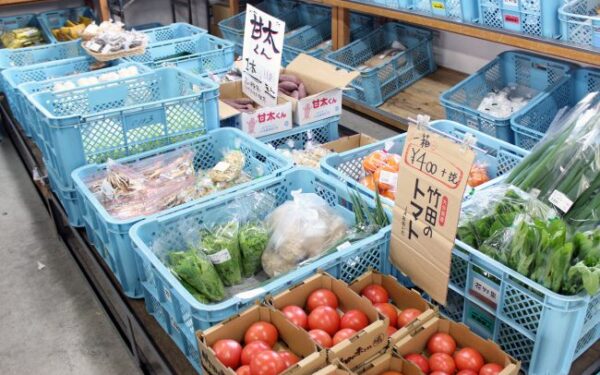
Fresh Park Hanano Ka
Fresh Park Hanano Ka
Oita
in-store prices
Nijino Minou No Sato Manten Shijou
Nijino Minou No Sato Manten Shijou
Fukuoka
in-store prices
JA Kagawa Farmers Market Sansan Hiroba Iiyama
Ja香川県 Faamaazu Market San San Hiroba Iiyama Mise
Kagawa
in-store prices
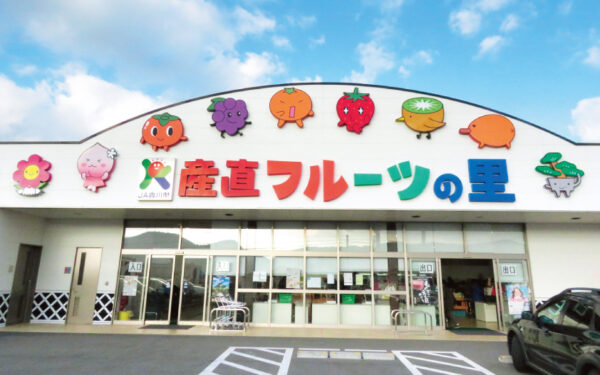
JA Kagawa Fruits-no-Sato
Ja香川県 Fruits No Sato
Kagawa
in-store prices
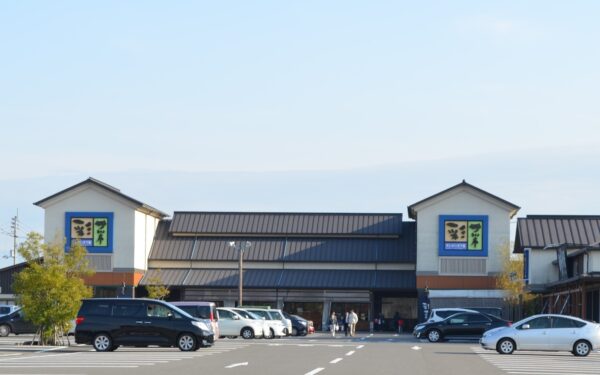
Saisaikite Ya
Saisaikite Ya
Ehime
in-store prices
JA Harenokuni Okayama Mercato Tamakita Kasai Kan
Ja晴れの国岡山 Merukaato Tamakita Kasai Kan
Okayama
in-store prices
Fruits Shop Yume Sai Kan
Fruits Shop Yume Sai Kan
Aichi
in-store prices
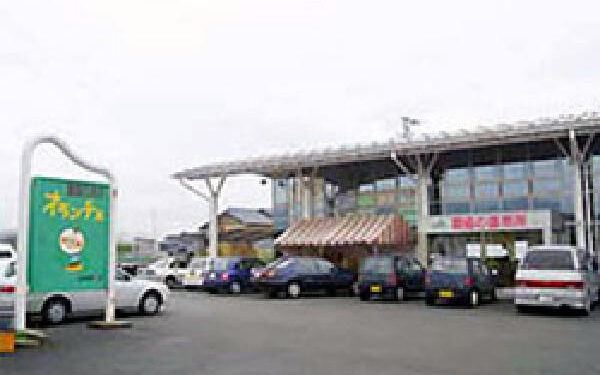
JA Nakano City Farm Products Market Oranche
Ja中野市農産物産館 Oranche
Nagano
in-store prices
Matsukawa Intaa Chokubai Tokoro Monarin
Matsukawa Intaa Chokubai Tokoro Monarin
Nagano
in-store prices
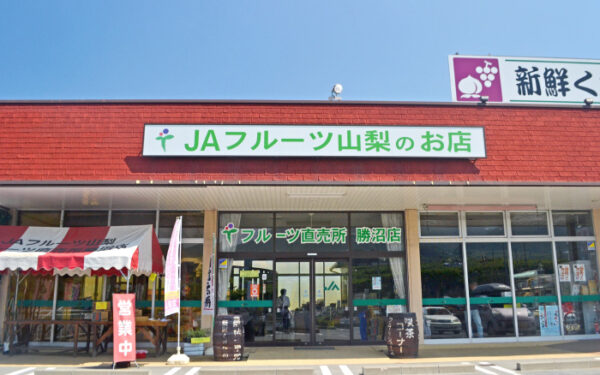
Ja Fruits Yamanashi Fruits Chokubai Tokoro Katsunuma Mise
Ja Fruits Yamanashi Fruits Chokubai Tokoro Katsunuma Mise
Yamanashi
in-store prices
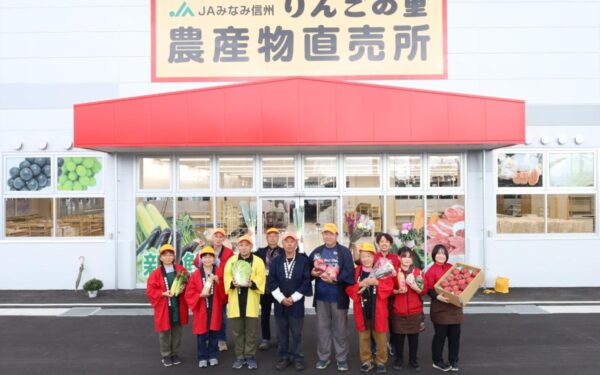
Ringono Sato Nousanbutsu Chokubai Tokoro
Ringono Sato Nousanbutsu Chokubai Tokoro
Nagano
in-store prices
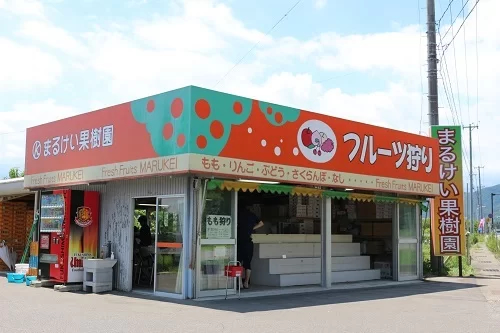
Marukei Kajuen
Marukei Kajuen
Fukushima
in-store prices
Sano Kanko Nouen Agri Town
Sano Kanko Nouen Agri Town
Tochigi
in-store prices
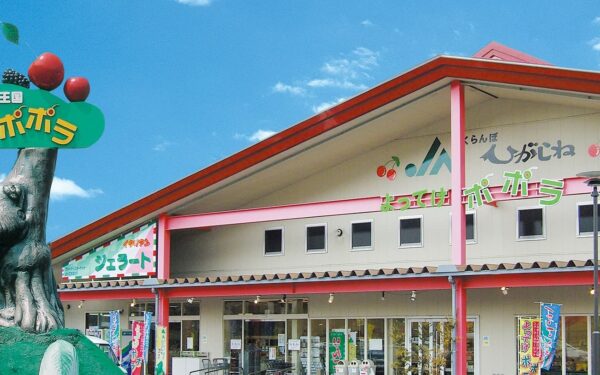
JA Sakuranbo Higashine Farmers Market Yotteke Popora
Jaさくらんぼひがしね Faamaazu Market Yotteke Popora
Yamagata
in-store prices
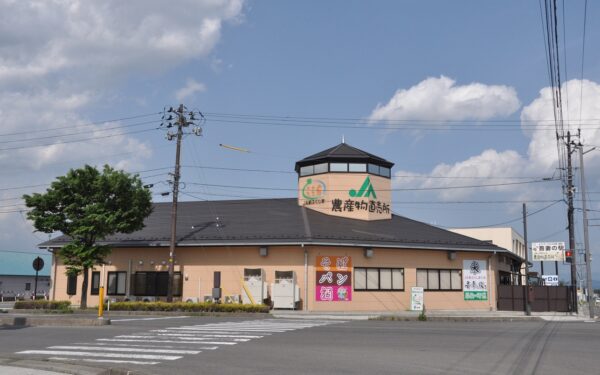
JA Fukushima Mirai Farm Products Direct Sales Kokora Azuma
Jaふくしま未来 Nousanbutsu Chokubai Tokoro Kokora Azuma Mise
Fukushima
in-store prices
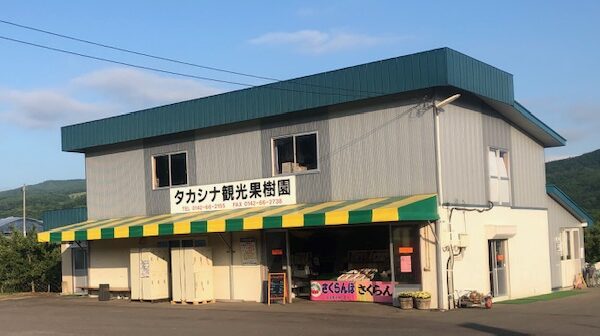
Takashina Kanko Kajuen
Takashina Kanko Kajuen
Hokkaido
in-store prices

Michi No Eki Yogansu Hakuryuu
Michi No Eki Yogansu Hakuryuu
Hiroshima
Free admission. Specialty products are at in-store prices
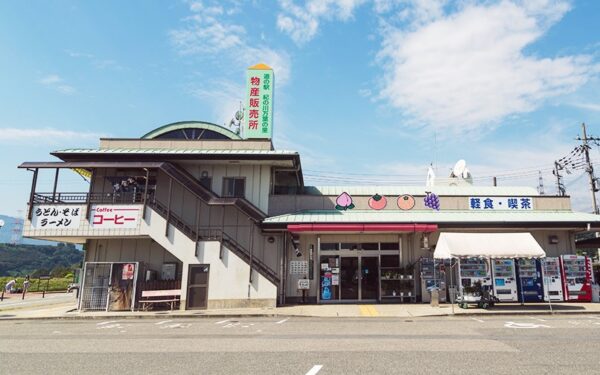
Michi No Eki Ki No Kawa Manyou No Sato
Michi No Eki Ki No Kawa Manyou No Sato
Wakayama
Free admission. Specialty products are at in-store prices
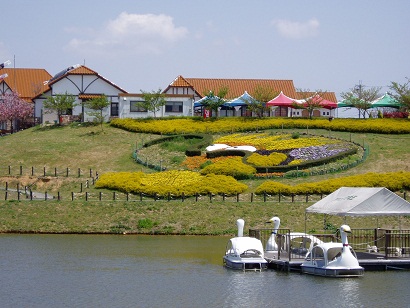
Michi No Eki Agri Park Ryuuou
Michi No Eki Agri Park Ryuuou
Shiga
Free admission. Fruit picking is an additional charge.
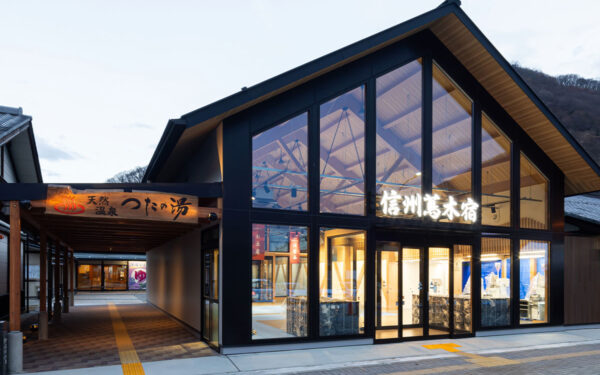
Michi No Eki Shinshuu Tsuta Ki Yado
Michi No Eki Shinshuu Tsuta Ki Yado
Nagano
Free admission. Hot springs are charged separately
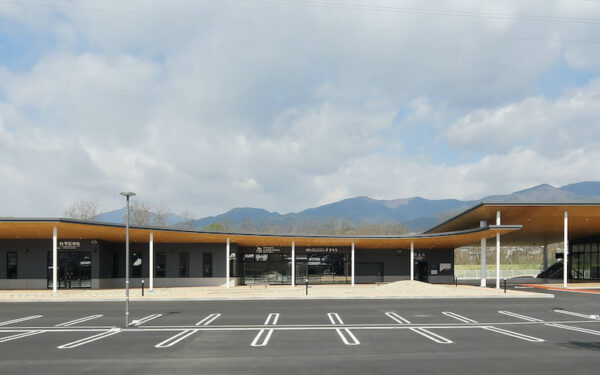
Michi No Eki Nanshin Shuu Toyooka Marche
Michi No Eki Nanshin Shuu Toyooka Marche
Nagano
Free admission. Specialty products are at in-store prices
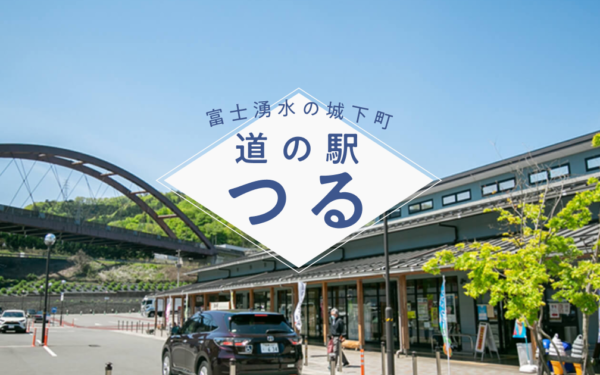
Michi No Eki Tsuru
Michi No Eki Tsuru
Yamanashi
Free admission. Specialty products are at in-store prices
Michi No Eki Nirasaki
Michi No Eki Nirasaki
Yamanashi
Free admission. Specialty products are at in-store prices
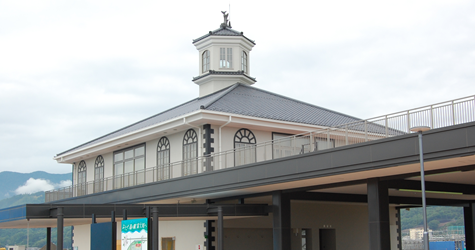
Michi No Eki Fujigawa
Michi No Eki Fujigawa
Yamanashi
Free admission. Specialty products are at in-store prices
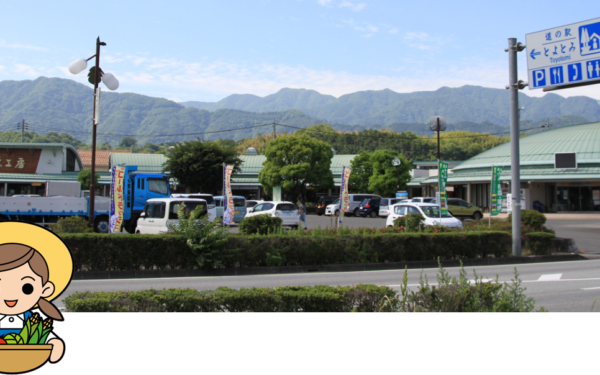
Michi No Eki Toyotomi
Michi No Eki Toyotomi
Yamanashi
Free admission. Specialty products are at in-store prices
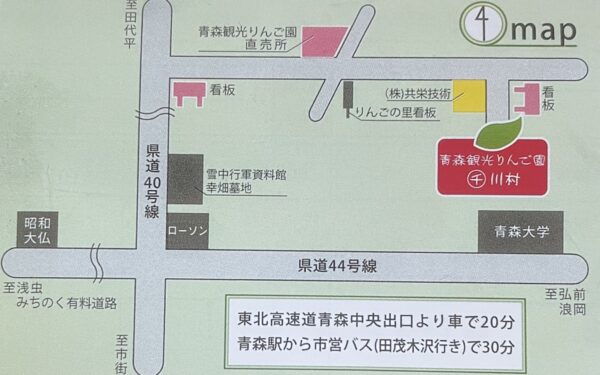
Aomori Kanko Ringo Sono
Aomori Kanko Ringo Sono
Aomori
Adults: 300 yen (3 pieces torn off, admission fee included)
Mori No Nakano Kajuen
Mori No Nakano Kajuen
Aomori
Adults 1,700 yen, Junior high school students and seniors 1,400 yen, Children 1,000 yen, Infants 600 yen
Shinshuu Fruits Land
Shinshuu Fruits Land
Nagano
All-you-can-eat apples for 30 minutes 400-500 yen, All-you-can-eat grapes for 30 minutes 1,650 yen
Fumonji Kanko Sono
Fumonji Kanko Sono
Nagano
Please check the official website
Michi No Eki Fukushima
Michi No Eki Fukushima
Fukushima
Free admission. Products are in-store prices
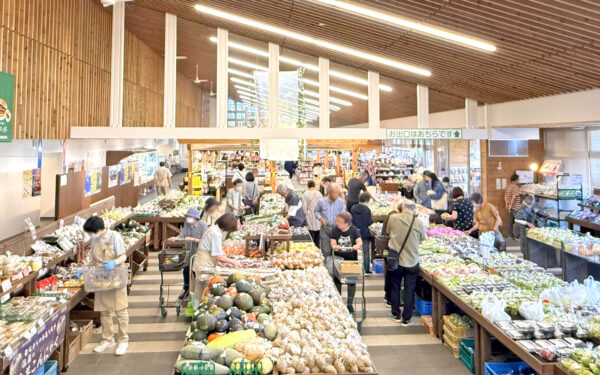
Michi No Eki Kunimi Atsukashino Sato
Michi No Eki Kunimi Atsukashino Sato
Fukushima
Free admission (separate purchase at farmers market)
-600x375.jpg)
Nouka Cafe Mori No Garden ( Marusei Kajuen Chokuei )
Nouka Cafe Mori No Garden ( Marusei Kajuen Chokuei )
Fukushima
Please check the official website for menu prices such as peach parfait.
Konno Kajuen
Konno Kajuen
Fukushima
Please check the official website

Marusei Kajuen
Marusei Kajuen
Fukushima
Fruit picking varies depending on the item
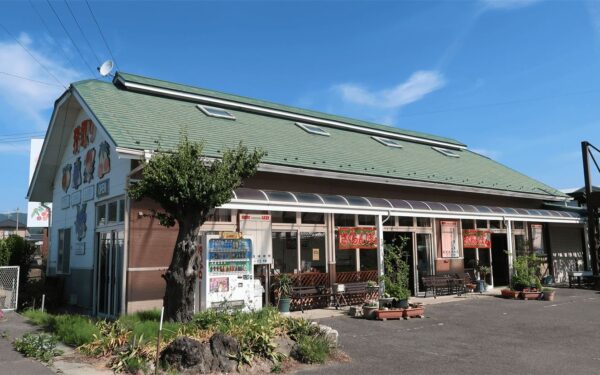
Maruyoshi Kanko Kajuen
Maruyoshi Kanko Kajuen
Fukushima
All-you-can-eat peach picking for 30 minutes, etc. (varies depending on item)
Marue Kanko Kajuen
Marue Kanko Kajuen
Fukushima
All-you-can-eat peach picking for 30 minutes: Adults (junior high school students and older) 1,210 yen, Children (4 years old to elementary school students) 990 yen, 3 years old and under free
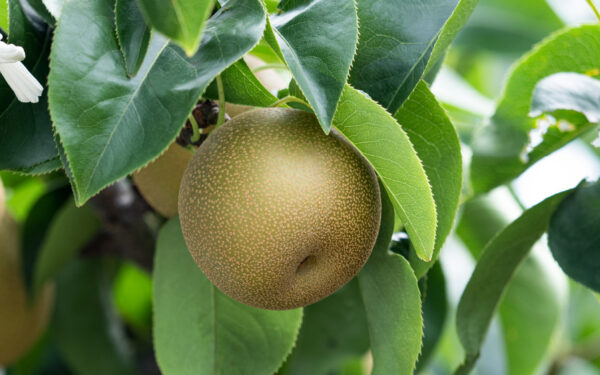
Kudamono Hatake
Kudamono Hatake
Fukushima
Products are in-store prices
-600x375.jpg)
Peachman Cafe ( Peach Man Cafe )
Peachman Cafe ( Peach Man Cafe )
Fukushima
Peach parfait, shaved ice, etc. (varies depending on menu)
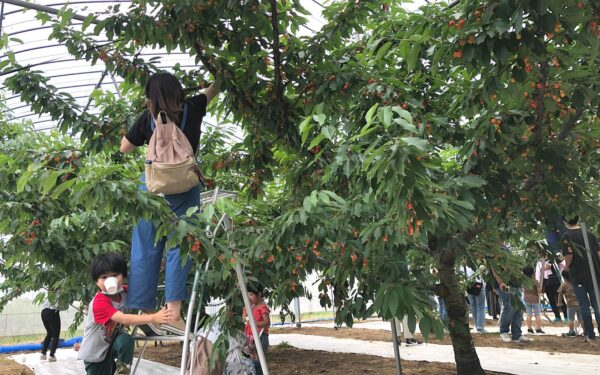
Azuma Kajuen
Azuma Kajuen
Fukushima
All-you-can-eat peach picking for 30 minutes: 1,650 yen for junior high school students and older, 1,320 yen for 4 to elementary school students, free for children 3 and under
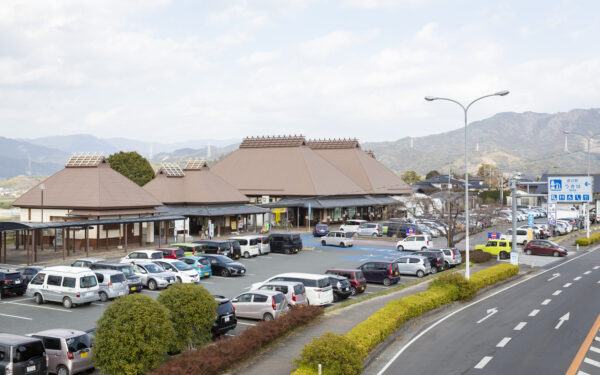
Michi No Eki Ukiha
Michi No Eki Ukiha
Fukuoka

Nangoku Fruits Parlor
Nangoku Fruits Parlor
Fukuoka
Please check the official website
-600x375.jpg)
Fruits Cafe Ishii ( Ishii Kajuen )
Fruits Cafe Ishii ( Ishii Kajuen )
Kumamoto
Please check the official website
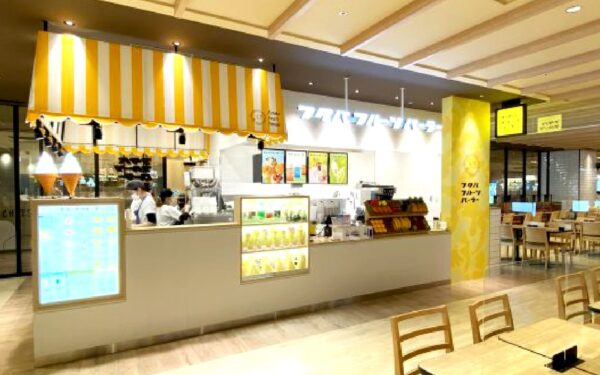
Futaba Fruits Parlor Amyu Plaza Kumamoto Mise
Futaba Fruits Parlor Amyu Plaza Kumamoto Mise
Kumamoto
Please check the official website
10-6 Namiki Saka Fruits Parlor
10-6 Namiki Saka Fruits Parlor
Kumamoto
Parfait + drink set 1,300 yen~
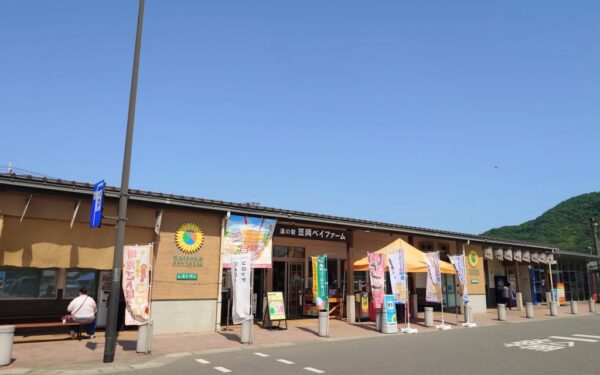
Michi No Eki Kasaoka Bei Farm
Michi No Eki Kasaoka Bei Farm
Okayama
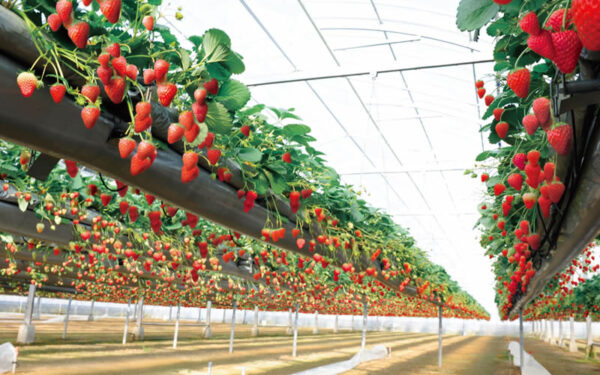
Nou Maru Engei Kibi Michi Nouen
Nou Maru Engei Kibi Michi Nouen
Okayama
Free admission, strawberry picking, peach sales, grape sales available
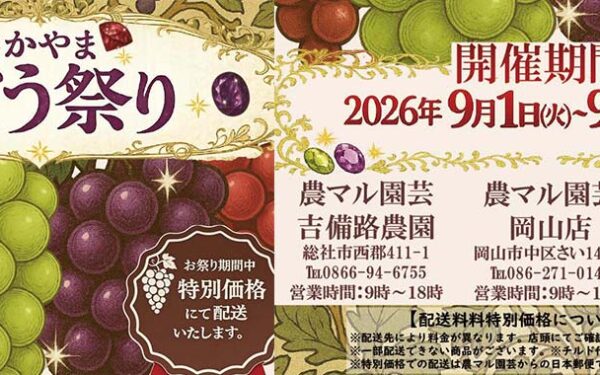
Nou Maru Engei Akaiwa Nouen
Nou Maru Engei Akaiwa Nouen
Okayama
Free admission, direct sale of peaches and grapes, parfait and shaved ice menu available
Fujiwara Engei
Fujiwara Engei
Okayama
All-you-can-eat peach picking 60 minutes: 2,500 yen for elementary school students and older, 1,500 yen for 3-5 years old
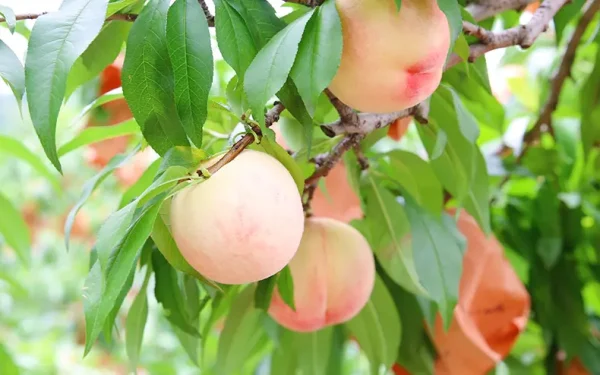
Momo Shigezane En
Momo Shigezane En
Okayama
Please check the official website (reservation required)
Oohara Kanko Kajuen
Oohara Kanko Kajuen
Okayama
Peach picking: Adults 2,000 yen, Elementary school students 1,300 yen, Kindergartens 1,000 yen
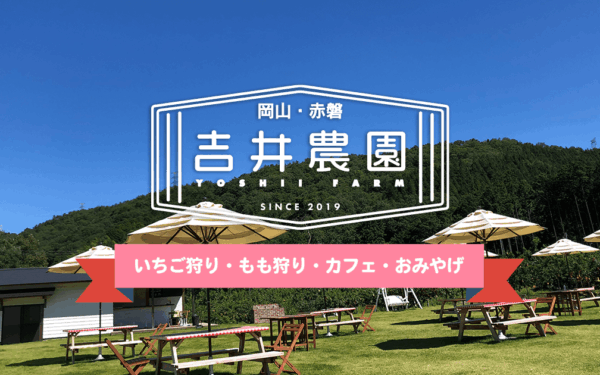
Yoshii Nouen
Yoshii Nouen
Okayama
Small course 2,000 yen, all-you-can-eat 20 minutes 3,600-4,000 yen
Fruits Park Bizen
Fruits Park Bizen
Okayama
Grape picking: 1 bunch of Aurora Black 1,080 yen, 2 bunches of Pione 1,080 yen
Mahora Farm
Mahora Farm
Okayama
Peach picking: 1,800 yen for adults, 1,200 yen for children, free for children under 3 years old
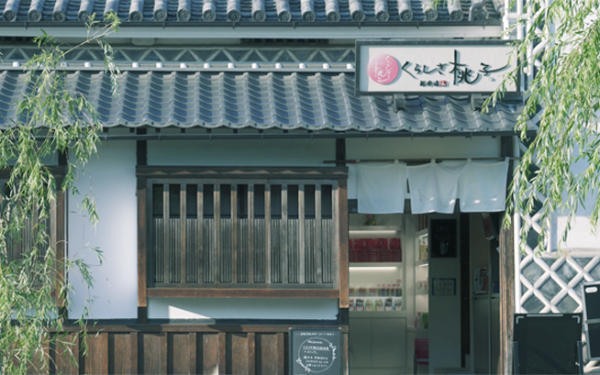
Kurashiki Momoko Kurashiki Honten
Kurashiki Momoko Kurashiki Honten
Okayama
Please check the official website
Momona Peach Farm
Momona Peach Farm
Okayama
Peach harvest experience + tasting: 3,550 yen~
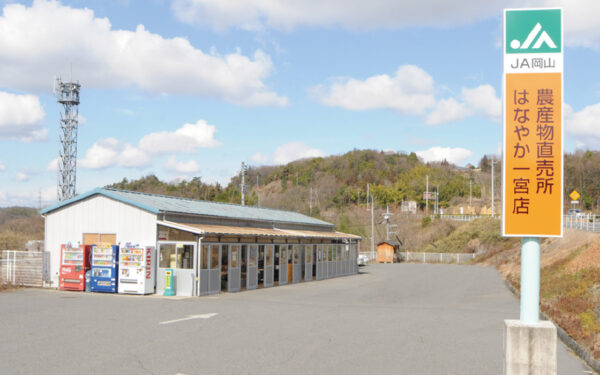
JA Okayama Farm Products Direct Sales Hanayaka Ichinomiya
Ja岡山 Nousanbutsu Chokubai Tokoro Hanayaka Ichinomiya Mise
Okayama
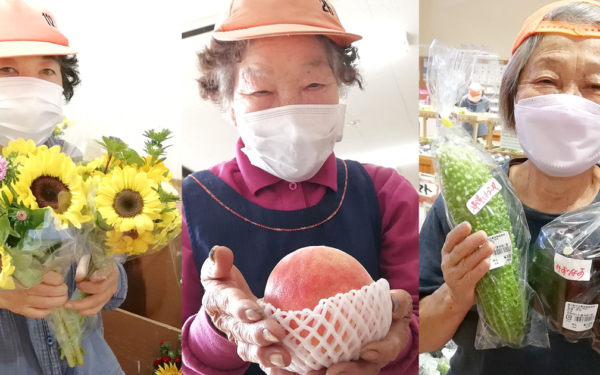
Fudoki No Oka Nousanbutsu Chokubai Tokoro
Fudoki No Oka Nousanbutsu Chokubai Tokoro
Yamanashi
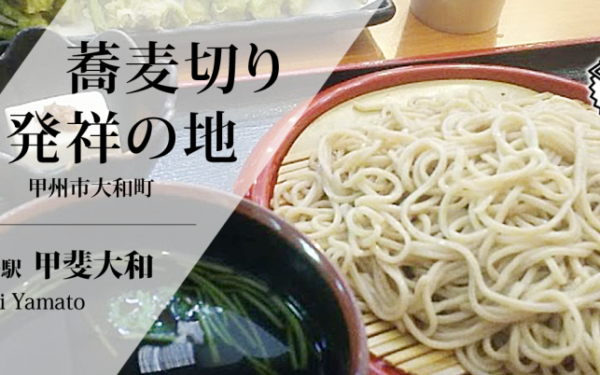
Michi No Eki Kai Yamato
Michi No Eki Kai Yamato
Yamanashi
Free entry
Satomi Nouen
Satomi Nouen
Yamanashi
Free admission / All-you-can-eat grapes for 40 minutes Adults 1,700 yen, Children 1,500 yen
Michi No Eki Shirane Nousanbutsu Chokubai Tokoro
Michi No Eki Shirane Nousanbutsu Chokubai Tokoro
Yamanashi
Miharashi Sono
Miharashi Sono
Yamanashi
Peach picking: 1,400 yen for adults, 1,150 yen for children, Grape picking: 1,000 yen for adults, 850 yen for children, Kyoho picking: 1,400 yen for adults, 1,150 yen for children (all-you-can-eat for 40 minutes)
Hagiwara Fruits Nouen
Hagiwara Fruits Nouen
Yamanashi
Please check the official website (picking experience is sold by weight, all-you-can-eat is seated)
Kai Ichinomiya Kanazakura Sono
Kai Ichinomiya Kanazakura Sono
Yamanashi
Please check the official website
Misaka Nouen Grape House
Misaka Nouen Grape House
Yamanashi
Peach picking B course Adults from 1,300 yen (varies depending on the course)
Nakagome Nouen
Nakagome Nouen
Yamanashi
Peach picking souvenir course: Adults 3,300 yen ~, Cherry + peach set: Adults 3,500 yen, Grape picking: Adults 2,000 yen

Saegusa Nouen
Saegusa Nouen
Yamanashi
Please check the official website
-600x375.jpg)
Fruits Cafe Hachi Chinka ( Hatchinkapurasu )
Fruits Cafe Hachi Chinka ( Hatchinkapurasu )
Yamanashi
Varies depending on menu
-600x375.jpg)
Fruits Cafe Beravisuta ( Fruits Park Fujiya Hoteru )
Fruits Cafe Beravisuta ( Fruits Park Fujiya Hoteru )
Yamanashi
Please check the official website
-600x375.jpg)
Green Teeburu Cafe ( Yamanashi Naitou Nouen )
Green Teeburu Cafe ( Yamanashi Naitou Nouen )
Yamanashi
Varies depending on menu
Gaia Tabe Terrace ( Oka No Eki Togenkyo )
Gaia Tabe Terrace ( Oka No Eki Togenkyo )
Yamanashi
Please check the official website
Asunaro Sono
Asunaro Sono
Yamanashi
Please check the official website
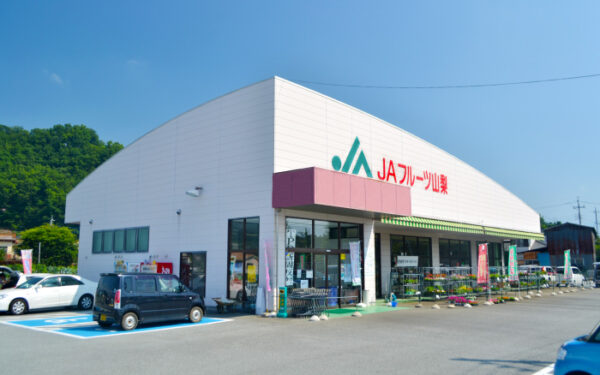
Ja Fruits Yamanashi Chokubai Tokoro Hachiman Mise
Ja Fruits Yamanashi Chokubai Tokoro Hachiman Mise
Yamanashi
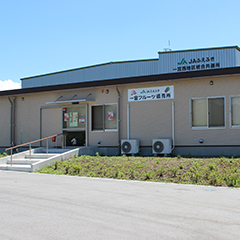
JA Fuefuki Ichinomiya Fruits Direct Sales
Jaふえふき Ichinomiya Fruits Chokubai Tokoro
Yamanashi
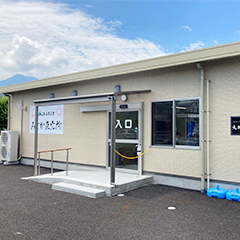
JA Fuefuki Misaka Direct Sales
Jaふえふき Misaka Chokubai Tokoro
Yamanashi
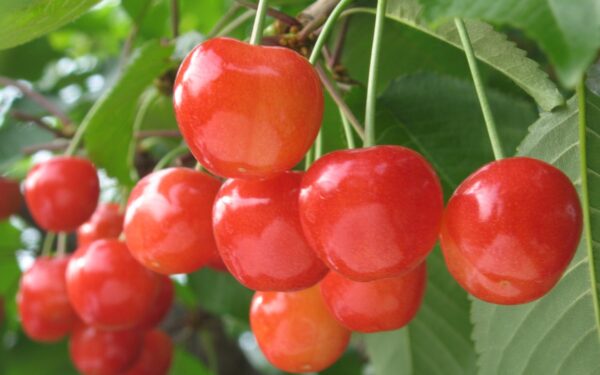
Jinmachi Kanko Kajuen
Jinmachi Kanko Kajuen
Yamagata
60 minutes of apple picking: 1,500 yen for junior high school students and above, 1,000 yen for 4 years old and above
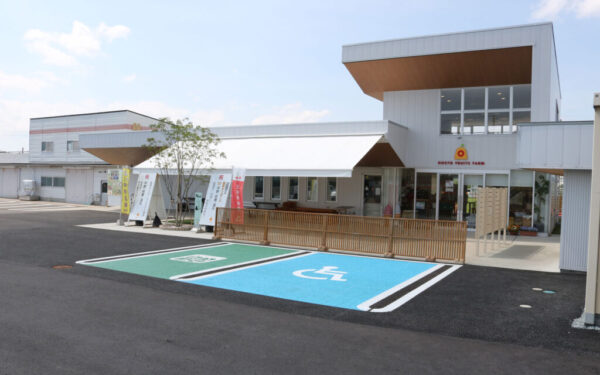
Oushou Kajuen
Oushou Kajuen
Yamagata
Cherry picking Adults (junior high school students and above) 2,500 yen (all-you-can-eat for 30 minutes). Varies depending on variety and season. Please check the official website
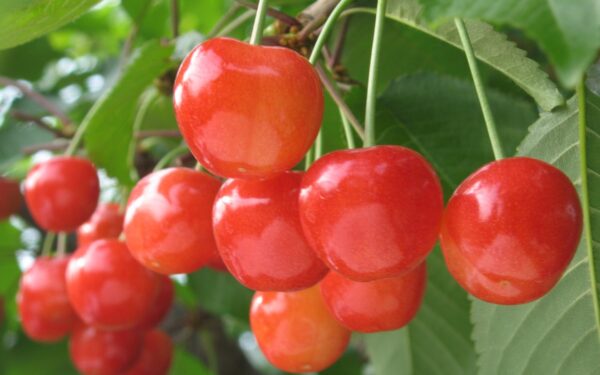
Kou Kaen
Kou Kaen
Yamagata
Unlimited cherry picking time All-you-can-eat Adults 1,800 yen Elementary school students 1,000 yen
-600x375.jpg)
Nakano Kanko Kajuen ( Nakano Fruits )
Nakano Kanko Kajuen ( Nakano Fruits )
Yamagata
All-you-can-eat cherry picking for 30 minutes: Adults 2,500 yen, Elementary school students 2,000 yen
-600x360.jpg)
Oh Show Cafe ( Oushou Kajuen Chokuei )
Oh Show Cafe ( Oushou Kajuen Chokuei )
Yamagata
Please check the official website for parfait prices.
Horiuchi Kajitsu Sono Guranfuronto Oosakaten
Horiuchi Kajitsu Sono Guranfuronto Oosakaten
Osaka
Please check the official website
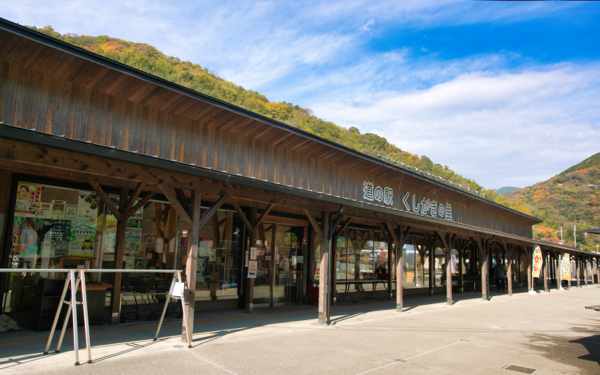
Michi No Eki Kushigakino Sato
Michi No Eki Kushigakino Sato
Wakayama
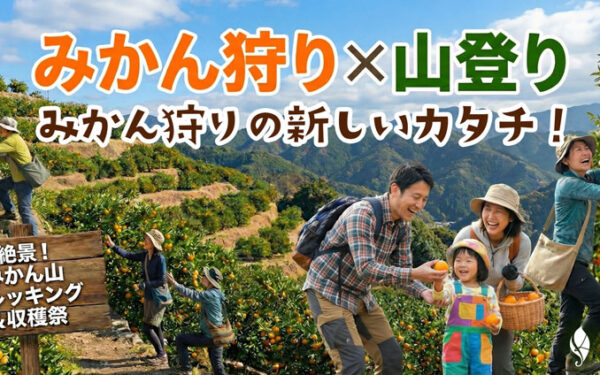
Kannon Yama Fruits Garden
Kannon Yama Fruits Garden
Wakayama
Orange picking Adults 1,000 yen~
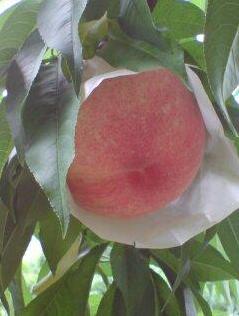
Meizan Nouen
Meizan Nouen
Wakayama
Adults 2,400 yen (2,500 yen in August), elementary school students 700 yen, kindergartens 500 yen, 3 years old and under free *2 souvenirs per person included
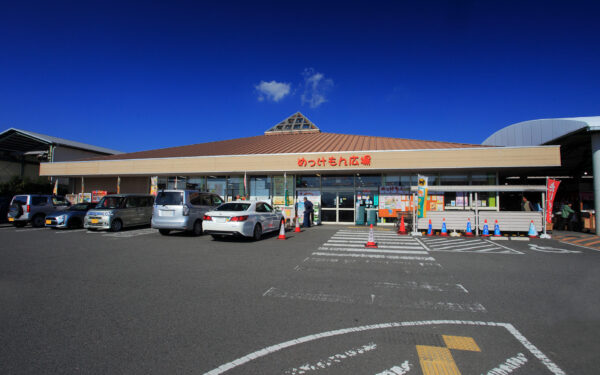
JA Kinosato Farmers Market Mekkemon Hiroba
Ja紀の里ファーマーズ Market Mekkemon Hiroba
Wakayama
Frequently Asked Questions
When is Peach in season?
Where are the main growing regions for Peach?
Where can I enjoy Peach?
What is the best way to enjoy Peach?
Share this fruit
🍑 Peach — Find on Map
Discover nearby spots on our interactive map