Grape
In Season: Aug–Oct In Season
🍇 Grape
Shine Muscat, registered in 2006, rocketed to the top for its edible skin and refined sweetness. Katsunuma in Yamanashi is the birthplace of Japanese wine and grape-picking tourism.
🍇 Complete Guide to Grape Picking
The Appeal of Grapes and the Joy of Fruit Picking
Japanese grapes are among the finest in the world. They excel in sweetness, aroma, and texture, and through selective breeding, varieties have been developed with features like seedless fruit and edible skins for easy eating. The introduction of Shine Muscat in particular has revolutionized grape cultivation in Japan, generating enormous popularity both domestically and internationally.
Grape picking is one of the most popular fruit-picking activities, enjoyed from summer through autumn. Walking beneath the trellised grapevines and gazing up at the heavy clusters of fruit hanging overhead, then harvesting them with your own hands, is a truly special experience. Freshly picked grapes eaten right at the orchard are a world apart from anything you can buy at a supermarket. When you pop a just-harvested grape into your mouth, the juice bursts out, filling your senses with fresh aroma and rich sweetness.
Another great appeal of grape picking is the chance to compare different varieties side by side. Many orchards grow multiple varieties, letting you enjoy the distinct character of each one -- the rich sweetness of Kyoho, the refreshing aroma of Shine Muscat, the bold flavor of Pione, and more. Whether you come with family, as a couple, or with friends, grape picking is an activity that every generation can enjoy together.
Peak Season and Regional Differences
The grape-picking season generally runs from late July to mid-October, though the exact timing varies considerably depending on the variety, cultivation method, and region.
Peak Seasons by Variety
Grape varieties are broadly classified as "early-ripening," "mid-season," and "late-ripening," each with different harvest windows.
Delaware is the earliest, reaching its peak from early July to mid-August. It is a small-grained, seedless variety with intense sweetness that children find easy to eat. Kyoho follows, with its prime season running from early August to late September. This large, dark purple-black grape has been a beloved favorite for many years. Pione is in season from mid-August to early October, producing even larger berries than Kyoho with a satisfying mouthfeel. Shine Muscat reaches its best from late August to early October and is the most popular variety in recent years.
Timing Differences by Major Growing Region
In Japan, grape-growing regions have slightly different peak seasons depending on their climate conditions.
Yamanashi Prefecture (around the Kofu Basin) is Japan's largest grape-producing region, accounting for roughly 21-25% of the national output. The wide temperature swings between day and night and long sunshine hours produce grapes with exceptionally high sugar content. The grape-picking season runs from late July to mid-October, with mid-August to late September being the peak period. The Katsunuma area has a dense concentration of pick-your-own orchards and is known as the "hometown of grapes."
Nagano Prefecture is the second-largest grape producer in Japan, with approximately a 20% share of national output. Due to its higher elevation, the season starts a bit later than in Yamanashi, with grape picking available from mid-August to mid-October. The prefecture is renowned for its extensive Kyoho cultivation, and "Shinshu Kyoho" grapes are highly regarded.
Yamagata Prefecture is the third-largest grape-producing region, contributing about 9-10% of national output. The cool climate characteristic of the Tohoku region is well-suited to grape cultivation, and the prefecture is a top producer of Delaware grapes. The season runs from early August to early October.
Okayama Prefecture ranks fourth nationally, with approximately an 8-9% share. Under the warm Seto Inland Sea climate, the region is known for growing high-quality muscat varieties and is nicknamed the "Fruit Kingdom." Muscat of Alexandria has been cultivated here for over 100 years, and a unique grape culture has taken root in Okayama.
Greenhouse vs. Open-Air Cultivation
Greenhouse-grown grapes can be harvested one to two months earlier than open-air grapes and offer more consistent quality since they are less affected by rain. On the other hand, open-air grapes grow under natural conditions, soaking up plenty of sunlight, which gives them a more robust flavor. Most pick-your-own orchards use open-air cultivation, but choosing a greenhouse orchard means you can enjoy grape picking even on rainy days.
Variety Guide -- Flavors and Characteristics
More than 50 grape varieties are cultivated in Japan. Here is a guide to the most popular varieties you are likely to encounter during grape picking.
Shine Muscat
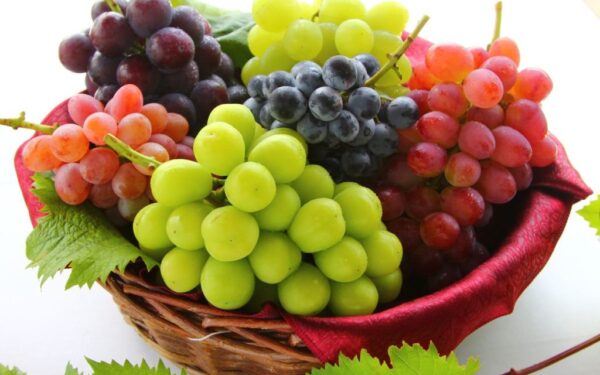
Registered as a variety in 2006, Shine Muscat is a Japanese-bred grape that leads the current wave of grape popularity. Its standout features are that it is seedless and can be eaten skin and all. After biting through the crisp skin, you experience the refreshing muscat aroma and high sugar content (around 18-20 degrees Brix) spreading across your palate. The berries are yellow-green and visually beautiful, making them a popular gift item as well. Peak season is late August to late September, and it is the most sought-after variety for grape picking. Prices tend to be set a bit higher, but the flavor more than justifies the cost.
Kyoho
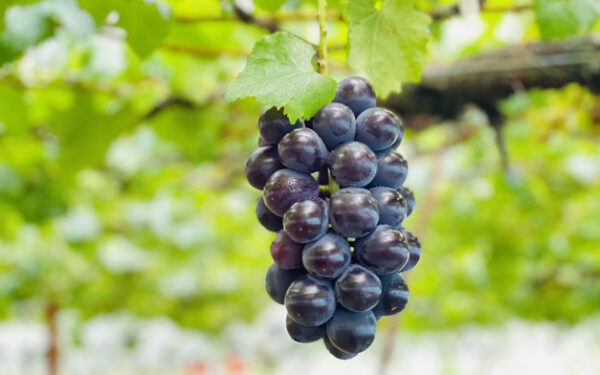
Often called the "King of Grapes," Kyoho is the quintessential black grape variety of Japanese viticulture. Each berry weighs 10-15g and is covered in a deep purple-black skin. With a sugar content of 18-21 degrees Brix, it offers rich sweetness and juicy flesh. The darker the skin color, the sweeter the grape tends to be. Kyoho is typically eaten by peeling the skin and enjoying the flesh inside. Its peak season runs from early August to late September. Grown throughout Japan, it is one of the most commonly encountered varieties during grape picking.
Pione
A large-berry variety born from crossing Kyoho with Cannon Hall Muscat, Pione is sometimes called the "Black Pearl." Each berry can weigh 15-20g, making it even bigger than Kyoho. With a sugar content of 16-20 degrees Brix, it delivers rich sweetness balanced by a pleasant acidity that gives the flavor depth. The skin peels off easily by hand, and the satisfying sensation of the flesh slipping out of the skin in your mouth is part of the fun. Peak season is mid-August to early October.
Delaware
Originally from the United States, this small-grained grape has been a longtime favorite in Japan. It is easy to process as seedless, and each bunch weighs a manageable 150-200g. With a sugar content of around 20 degrees Brix, it is extremely sweet and easy for children to eat. When you squeeze a berry into your mouth, the skin pops with a satisfying burst, releasing sweet juice. Peak season is early July to mid-August, making it the first variety to kick off the grape-picking season.
Nagano Purple
Developed in Nagano Prefecture, this large-berried black grape can be grown seedless like Kyoho. Its most distinctive feature is that it is a black grape you can eat skin and all. The thin skin has little astringency, combining the rich flavor of a black grape with the convenience of eating it whole. Sugar content is 18-21 degrees Brix. It is primarily cultivated in Nagano Prefecture and remains a relatively rare variety. Peak season is early September to early October.
Tips for Comparing Varieties
When tasting multiple varieties during grape picking, it is best to start with the lighter-flavored ones and work your way toward the more intense. Specifically, eating in the order of Delaware, then Shine Muscat, then Pione, then Kyoho allows you to appreciate each variety's unique character to the fullest. The key is to enjoy the refreshing aroma of the muscat types first, then move on to the rich sweetness of the black grapes.
Tips and Ways to Enjoy Grape Picking
How to Spot Delicious Grapes
In a trellised grape orchard with countless bunches to choose from, here are some tips for picking the best ones.
First, look for berries with a generous coating of white powder (bloom) on their surface. This white powder, also called "fruit bloom," is a natural wax produced by the grape itself and is a sign of freshness and ripeness. A bunch with bloom evenly distributed over the berries tends to be well-ripened and delicious.
Next, check the color of the stem. A green, fresh-looking stem indicates the bunch is fresh. Avoid bunches with brown, dried-out stems, as they may have lost their freshness.
Also, look for bunches where the berries are plump and have moderate spacing between them. Rather than bunches where the berries are packed too tightly together, those with appropriate spacing indicate that each berry has received ample nutrients.
Proper Harvesting Technique
When harvesting a bunch of grapes, support the bunch from below with one hand while using scissors with the other hand to cut the stem. Use the scissors provided by the orchard and cut about 1-2cm above the base of the stem. Never try to pull a bunch off by force, as this can break branches or damage other bunches -- always use scissors.
Once you have cut a bunch, be careful not to touch the berries too much. Rubbing off the bloom will cause the grapes to lose freshness more quickly.
Eating Tips
Eating freshly picked grapes right at the orchard is the ultimate experience, but chilling them slightly makes them even better. Some orchards provide cold water or ice water, so try cooling your harvested bunch for 5-10 minutes before eating. The chill brings out the sweetness beautifully.
For varieties like Kyoho and Pione that are eaten peeled, it is best to start from the bottom (tip) of the bunch. Grapes tend to have higher sugar content toward the top of the bunch (closer to the stem), so by starting from the tip and saving the sweetest part for last, you maintain a satisfying experience right to the end.
What to Bring and What to Wear
Having the following items ready will help you enjoy your grape-picking outing comfortably.
Wet wipes are essential. Grape juice makes your hands sticky, so having wipes handy is very convenient. A towel is also recommended for the same reason. A picnic sheet is useful for sitting down and eating at a leisurely pace in the orchard. A cooler bag is invaluable for keeping grapes fresh on the way home. For grape picking in the heat of summer, do not forget drinks and a hat.
Casual, easy-to-move-in clothing is fine, but since grape juice can stain fabric easily, it is best to avoid white or light-colored clothing. Sneakers are recommended, as orchard paths are often dirt or gravel. Avoid heeled shoes or sandals.
Major Growing Region Guide
Yamanashi Prefecture (Katsunuma and Koshu Area)
As Japan's largest grape-producing region, the Katsunuma area in Koshu City in particular is surrounded by sprawling vineyards and is known as the "grape capital of Japan." The temperature swings typical of the basin geography and long sunshine hours produce exceptionally sweet grapes. Numerous pick-your-own orchards are scattered around JR Katsunuma-Budokyo Station, and some are even within walking distance. Access from Tokyo is convenient, taking about 90 minutes on the JR Chuo Main Line or a short drive from the Katsunuma IC on the Chuo Expressway.
Nagano Prefecture (Tomi and Shiojiri Area)
Nagano Prefecture, boasting the second-largest grape output in Japan, is renowned as a premier Kyoho-producing region. Grapes grown in high-altitude vineyards benefit from the cool climate, resulting in a well-balanced acidity and sweetness with depth of flavor. The cities of Tomi and Shiojiri are the main growing areas, and combining winery tours with grape picking has become a popular tourist activity.
Yamagata Prefecture
As the third-largest grape-producing region in Japan, Yamagata Prefecture is especially notable for its outstanding Delaware production. The fertile soil of the Yamagata Basin and moderate rainfall create ideal grape-growing conditions. The cities of Tendo, Nanyo, and Kaminoyama have many grape-picking orchards, and tour packages that combine grape picking with cherry picking or apple picking are also widely available.
Okayama Prefecture
Known as the "Fruit Kingdom," Okayama has over 100 years of history cultivating Muscat of Alexandria. The warm Seto Inland Sea climate is ideal for growing premium grapes, and in recent years, Shine Muscat cultivation has also been expanding. The Funao area in Kurashiki City and the city of Soja are the main grape-picking areas.
Frequently Asked Questions
Q. How much does grape picking cost?
Prices vary by orchard and variety. For all-you-can-eat plans, expect to pay around 1,000-2,000 yen per adult for Delaware or Kyoho, and around 2,000-3,500 yen for Shine Muscat. Some orchards use a "pick-and-weigh" system instead of all-you-can-eat, in which case the price is typically around 1,000-3,000 yen per kilogram.
Q. Do I need a reservation?
Many orchards accept walk-ins, but popular orchards and weekends or holidays can get crowded, so advance reservations are recommended. Shine Muscat picking in particular tends to require a reservation at many orchards.
Q. Can children enjoy grape picking?
Grape picking is an extremely popular activity for children. At trellised orchards, even small children can use scissors to harvest grapes with adult assistance. Some orchards are also stroller-accessible, so it is a good idea to check with the orchard in advance.
Q. Can I take home the grapes I pick?
With all-you-can-eat plans, the standard rule is that you can only eat within the orchard, and taking grapes home costs extra (sold by weight) at most orchards. Some orchards offer dedicated take-home plans, so if you want to purchase grapes as souvenirs, check in advance. When taking grapes home, bringing a cooler bag and ice packs will help keep them fresh until you get home.
Q. What is the best time of day for grape picking?
Early morning is recommended. Before the temperature rises, the grapes are naturally chilled and tastier, and the orchard tends to be less crowded. Especially for grape picking in midsummer, arriving in the morning and enjoying the experience while it is still cool is the most comfortable option.
Nutrition and Health Benefits
Grapes have long been called "milk of the fields" due to their high nutritional value. According to the Standard Tables of Food Composition in Japan (8th edition), raw grapes (without skin) contain 58 kcal and 130mg of potassium per 100g of edible portion. Potassium helps flush excess sodium from the body, making it a mineral that supports the prevention of high blood pressure and the reduction of swelling.
The most notable nutritional feature of grapes is their abundance of polyphenols. Grapes contain a wide variety of polyphenols, including anthocyanins found primarily in the skin, proanthocyanidins in the seeds, and resveratrol, which has attracted considerable attention in recent years. Anthocyanins have strong antioxidant properties and have been reported to help reduce eye strain and maintain visual function. Resveratrol has antioxidant effects that may inhibit cell aging and is also being studied for its potential role in preventing arteriosclerosis. It is widely known that grape polyphenols from red wine drew attention as a possible factor in the "French Paradox" -- the observation that the French have relatively low rates of heart disease despite consuming a diet high in fat.
Grapes are rich in glucose and fructose, sugars that are quickly converted into energy in the body, making them effective for fatigue recovery. They are well-suited as a nutritional boost after physical exhaustion from summer heat or after sports. Additionally, organic acids in grapes such as tartaric acid and malic acid (0.6g per 100g) promote gastric juice secretion and aid digestion.
Varieties like Shine Muscat and Nagano Purple that can be eaten skin and all allow you to consume the polyphenols contained in the skin, making them especially recommended from a nutritional standpoint. Eating them fresh during grape picking lets you absorb nutrients including polyphenols more efficiently.
Storage Tips and Taking Grapes Home
How to Transport Grapes from the Orchard
To bring grapes home from a picking outing in the freshest possible condition, there are a few key points to keep in mind. First, be sure to bring a cooler bag and ice packs. Grapes are sensitive to heat, and leaving them in a hot car will cause them to deteriorate rapidly. Wrap each harvested bunch gently in newspaper or paper towels, then place them in the cooler bag. Since berries can be damaged when bunches press against each other, placing cushioning material between them is a good idea. Be careful not to rub off the bloom (white powder) on the berry surfaces, as it acts as a natural protective coating that preserves freshness.
Refrigeration, Room Temperature, and Freezing Techniques
After bringing grapes home, refrigeration is the standard method. Wrap them in newspaper or paper towels, place them in a plastic bag, and store in the vegetable crisper of your refrigerator, where they will stay delicious for about 2-5 days. Wait to wash them until just before eating. Storing them with moisture on the surface can lead to mold and spoilage.
At room temperature, grapes will keep for 1-2 days in a cool spot away from direct sunlight, but especially in summer, it is best to refrigerate them as soon as possible.
For longer storage, freezing is a convenient option. Remove the berries individually from the bunch, rinse them, dry them thoroughly, arrange them on a tray for flash-freezing, then transfer to a freezer bag. They will keep for about a month. Frozen grapes eaten in a semi-thawed state taste like a sorbet and make a perfect snack for hot weather.
How to Tell When Grapes Are at Their Best
Grapes do not ripen further after harvest. They are at their most delicious the moment they are picked, so it is best to eat them as soon as possible after purchase or bringing them home. Signs of peak freshness include plump berries with bloom still intact and a green, fresh-looking stem. If berries start falling off the bunch easily or the stem turns brown and dries out, the grapes are past their prime and should be eaten promptly.
Best Season Month-by-Month -- Variety Relay Calendar
The grape-picking season runs from July through October, but the varieties available change significantly depending on when you visit. Understanding the succession of varieties (the "variety relay") helps you pinpoint the ideal time to visit based on the variety you want to taste.
Visiting in July -- Delaware
The first variety to appear each season is Delaware. In season from early July to mid-August, this small grape boasts a sugar content of around 20 degrees Brix and a notably strong sweetness. It is seedless and easy to eat, making it a hit with children. Yamagata Prefecture and Osaka Prefecture are major producers, and Delaware is recommended for those who want to enjoy grape picking early in the season.
Visiting in August -- Kyoho and Pione
August marks the arrival of the large-berry grape season. Kyoho reaches its peak from early August to late September and can be enjoyed at orchards throughout Japan. Pione begins appearing from mid-August onward, offering even larger berries and a richer flavor than Kyoho. From mid-August, some orchards also start harvesting Shine Muscat, making it a luxurious time when you can compare multiple varieties side by side.
Visiting in September -- Shine Muscat and Nagano Purple
September is the best season for grape picking. Shine Muscat reaches its peak, and many orchards offer Shine Muscat picking. In Nagano Prefecture, Nagano Purple also comes into season, letting you savor the rich flavor of a black grape you can eat skin and all. Kyoho and Pione are still available as well, making September the month with the widest variety of choices. Temperatures also begin to drop slightly around this time, making grape picking more comfortable.
Visiting in October -- Late-Season Varieties and Kaiji
October marks the tail end of the season, but you can still enjoy late-ripening varieties. Kaiji is a red grape that peaks in October, characterized by its elegant sweetness and floral aroma. Some orchards still offer Shine Muscat through early October. Since this period overlaps with the autumn excursion season, it is perfect for a day trip that combines grape picking with autumn foliage viewing or a winery visit.
Tips for Families with Children
Choosing a Child-Friendly Orchard
When enjoying grape picking with children, choosing the right orchard is key. The first thing to check is whether strollers can pass through the paths. Orchards with wide, flat paths beneath the grape trellises allow for smooth stroller navigation. Also check in advance whether restroom facilities (including diaper-changing areas) and shaded rest areas are available. Checking the orchard's website or calling ahead is the most reliable approach.
Enjoying Grape Picking by Age Group
For children aged 0-2, whole grapes pose a choking hazard, so caution is needed. Cut berries into quarters or smaller before giving them to young children. The experience will mostly center on enjoying the atmosphere of the orchard, but even just seeing the colorful grape clusters provides wonderful stimulation.
Children aged 3-5 can try harvesting with scissors alongside an adult. Since grape bunches hang overhead, give your child a shoulder ride or use a step stool to let them feel the thrill of "picking it myself." Small-grained varieties like Delaware are easy for little hands to grasp and eat.
For elementary school-age children, comparing the flavors of different varieties becomes an enjoyable experience. Playing a tasting game such as "Which variety is the sweetest?" creates a fun and educational food-learning experience.
Benefits of Elevated Cultivation
Grapes are cultivated on trellises, so the bunches generally hang above adult head height. Few orchards have grapes within easy reach for children, but some do set up lower trellises, so it is worth checking in advance. In any case, since orchard paths are often dirt or gravel, make sure children wear comfortable sneakers. Grape juice stains easily, so it is important to dress in clothes you do not mind getting dirty.
Varieties
Grape Is in Season Now! Find a Spot
Grape is in season right now, available at 211 spots across Japan.
🍇 Grape Spots
211 spots
Katsunuma Budo-no-Oka Farm
Katsunuma Budouno Oka Nouen
Yamanashi
¥2,000–
Okayama Fruit Parfait Studio
Okayama Fruits Parfait Koubou
Okayama
¥1,800–
Okayama Muscat Hall
Okayama Masukatto Kan
Okayama
¥2,200–
Kofu Fruit Hills
Kofu Fruits Hills
Yamanashi
¥1,700–
Tamba Grape Farm
Tanba Budou Sono
Hyogo
¥1,600–
Shiojiri Grape Village
Shiojiri Budou Sato
Nagano
¥1,600–
Niigata Tainai Grape Farm
Niigata Tainai Budou Sono
Niigata
¥1,500–
Fukaya Grape Farm
Fukaya Budou Sono
Saitama
¥1,500–
Itagaki Fruits Cafe Esuparu Sendaiten
Itagaki Fruits Cafe Esuparu Sendaiten
Miyagi
Sanzu Fruits Parlor Ka Kura
Sanzu Fruits Parlor Ka Kura
Miyagi
Shirone Grape Garden Cafe
Shirone Grape Garden Cafe
Niigata
Kureepu House Kajitsu No Hoshino Ya
Kureepu House Kajitsu No Hoshino Ya
Niigata
Beji Kakeru
Beji Kakeru
Nagano
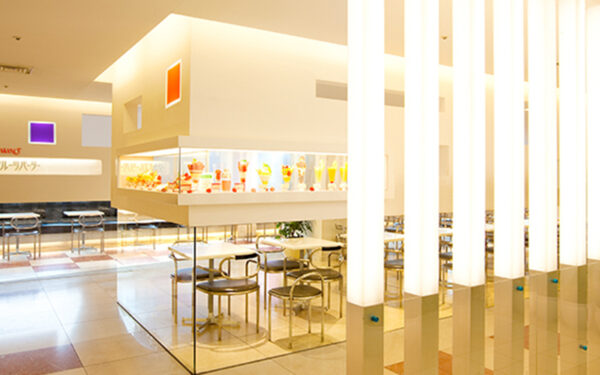
Takano Fruits Parlor Shinjuku Honten
Takano Fruits Parlor Shinjuku Honten
Tokyo
Parfait 1,500-3,000 yen / Fruit Sandwich 1,200-1,800 yen
Senbiki Ya Souhonten Fruits Parlor
Senbiki Ya Souhonten Fruits Parlor
Tokyo
Ginza Senbiki Ya Fruits Parlor Ginza Honten
Ginza Senbiki Ya Fruits Parlor Ginza Honten
Tokyo
Shibuya Nishimura Fruits Parlor
Shibuya Nishimura Fruits Parlor
Tokyo
Kajitsu Sono Riiberu Meguro Mise
Kajitsu Sono Riiberu Meguro Mise
Tokyo
Mizu Shin Fruits Parlor
Mizu Shin Fruits Parlor
Kanagawa
Fruits Parlor Hironori Ya Ikeshita Honten
Fruits Parlor Hironori Ya Ikeshita Honten
Aichi
Niwa Fruits
Niwa Fruits
Aichi
Aroo Tree Karasuma
Aroo Tree Karasuma
Kyoto
Kannon Yama Fruits Parlor Koubeten
Kannon Yama Fruits Parlor Koubeten
Hyogo
Fruit Cafe Saita
Fruit Cafe Saita
Hyogo
Harebare
Harebare
Okayama
Kannon Yama Fruits Parlor Wakayama Honten
Kannon Yama Fruits Parlor Wakayama Honten
Wakayama
Fruits Koubou Efu ( Matsuki Kajuen )
Fruits Koubou Efu ( Matsuki Kajuen )
Fukuoka
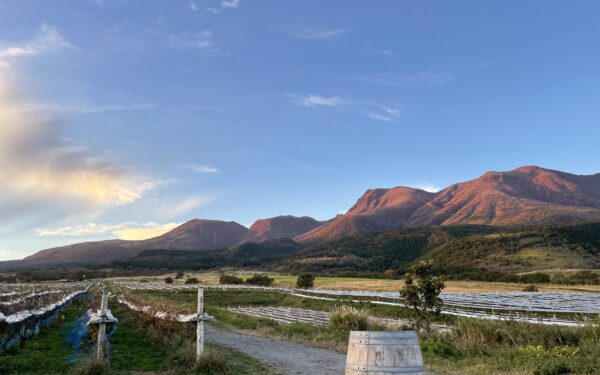
Kujuu Winery
Kujuu Winery
Oita
Go Ke Se Winery
Go Ke Se Winery
Miyazaki

Ajimu Budou Sake Koubou
Ajimu Budou Sake Koubou
Oita
Free tour and tasting
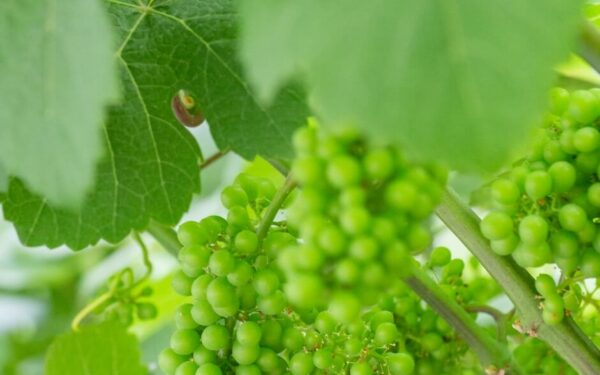
Kumamoto Wine
Kumamoto Wine
Kumamoto
Free tour (reservation required), tasting fee charged

Tsuno Winery
Tsuno Winery
Miyazaki
Free tour/tasting fee

Uchiko Fresh Park Karari
Uchiko Fresh Park Karari
Ehime
Free admission (charges apply for experiences)
Okuizumo Budou Sono
Okuizumo Budou Sono
Shimane
Free tour/tasting fee
Shimane Winery
Shimane Winery
Shimane
Free tour and tasting
Katashimo Winery
Katashimo Winery
Osaka
Winery tour Reservation required (held irregularly)
Hitomi Winery
Hitomi Winery
Shiga
Free tour, paid tasting
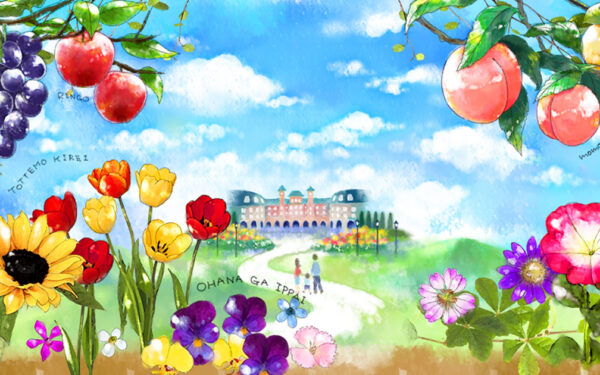
Michi No Eki Koube Fruits ・ Flower Park Oosawa
Michi No Eki Koube Fruits ・ Flower Park Oosawa
Hyogo
Free admission (fees apply for some facilities)
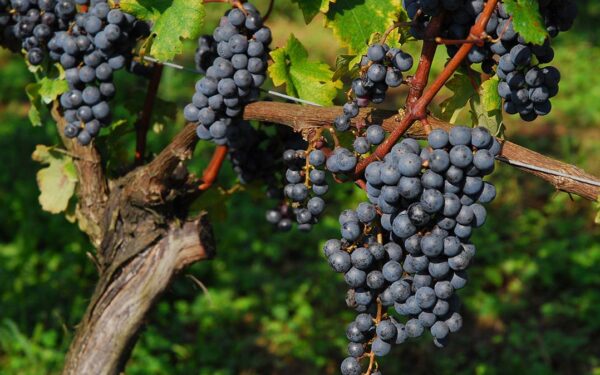
Tanba Wine
Tanba Wine
Kyoto
Free tour/free tasting
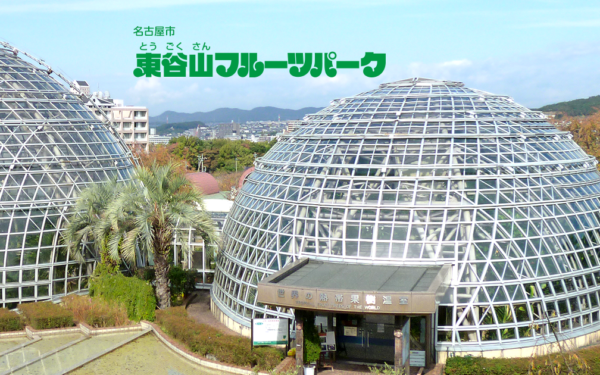
Azumaya Yama Fruits Park
Azumaya Yama Fruits Park
Aichi
Free admission (World Tropical Fruit Greenhouse 300 yen for adults)
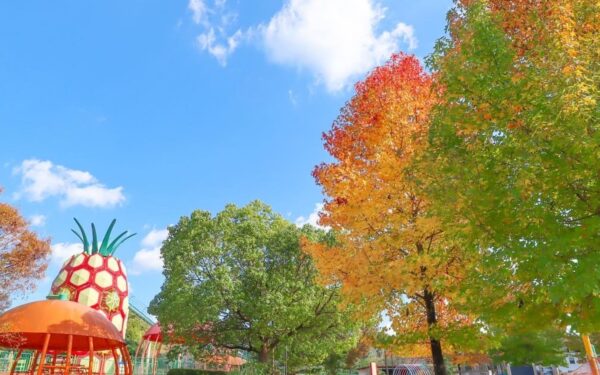
Hamamatsu Fruits Park Toki Yuki Sei
Hamamatsu Fruits Park Toki Yuki Sei
Shizuoka
Free admission (some paid experiences and facilities are available)
Noto Wine
Noto Wine
Ishikawa
Free tour and tasting (reservation required)
-600x375.png)
Guichi Wain ( Hayashi Nouen )
Guichi Wain ( Hayashi Nouen )
Nagano
Free tour and tasting
Izutsu Wine
Izutsu Wine
Nagano
Free tour and tasting
Iwa No Hara Budou Sono
Iwa No Hara Budou Sono
Niigata
Shirayuri Jouzou ( Rorian Wine )
Shirayuri Jouzou ( Rorian Wine )
Yamanashi
Free tour, grape stomping experience starting from 2,000 yen (August to October only)
Santorii Tomi No Oka Winery
Santorii Tomi No Oka Winery
Yamanashi
Winery tour from 1,000 yen (varies depending on course)
Fuefuki Kawa Fruits Koen
Fuefuki Kawa Fruits Koen
Yamanashi
Free admission (some paid facilities)
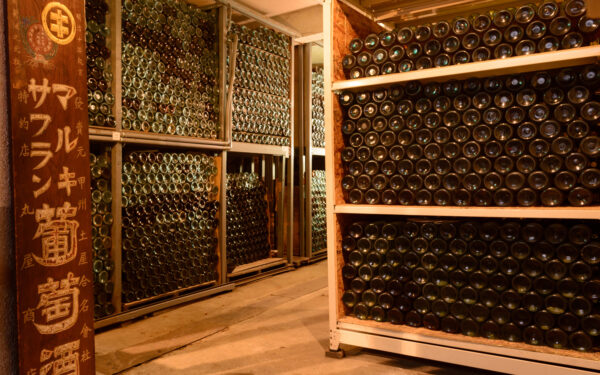
Maruki Budou Sake
Maruki Budou Sake
Yamanashi
Free tour and tasting
Katsunuma Jouzou
Katsunuma Jouzou
Yamanashi
Tasting 500 yen~
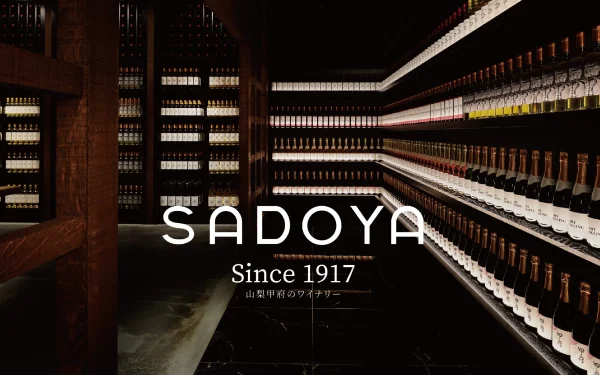
Sadoya Winery
Sadoya Winery
Yamanashi
Winery guide 500 yen
Rumieeru Winery
Rumieeru Winery
Yamanashi
Winery tour 1,000 yen (reservation required)
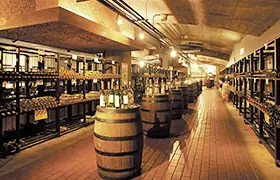
Katsunuma Nobudouno Oka
Katsunuma Nobudouno Oka
Yamanashi
Underground wine cave tasting 1,520 yen (includes tart vin)
Usagi Ta Winery
Usagi Ta Winery
Saitama
Free tour (reservation required)
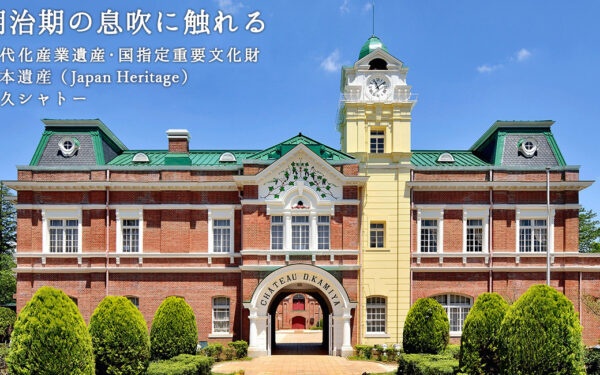
Ushiku Shatoo
Ushiku Shatoo
Ibaraki
Free admission/free tour
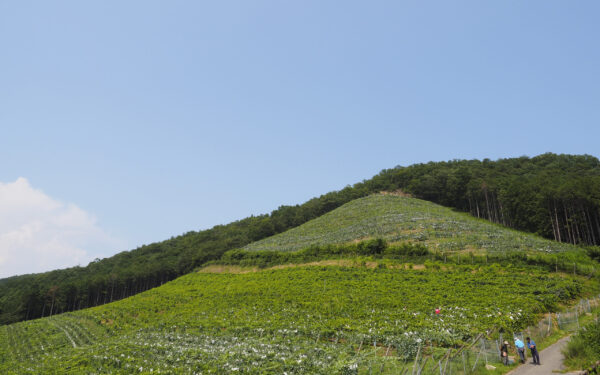
Koko・ Farm ・ Winery
Koko・ Farm ・ Winery
Tochigi
Winery tour 500 yen (reservation required)
Gassan Wine Yama Budou Kenkyuusho
Gassan Wine Yama Budou Kenkyuusho
Yamagata
Akyuu Winery
Akyuu Winery
Miyagi
Free brewery tour, tasting fee charged

Takeda Winery
Takeda Winery
Yamagata
Free tour (reservation required)
Asahi Machi Wine
Asahi Machi Wine
Yamagata
Free tour/free tasting
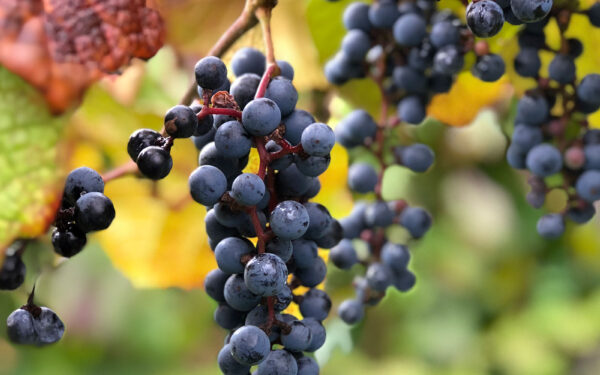
Kuzumaki Wine
Kuzumaki Wine
Iwate
Free tour/free tasting
Eederu Wine
Eederu Wine
Iwate
Free tour/free tasting
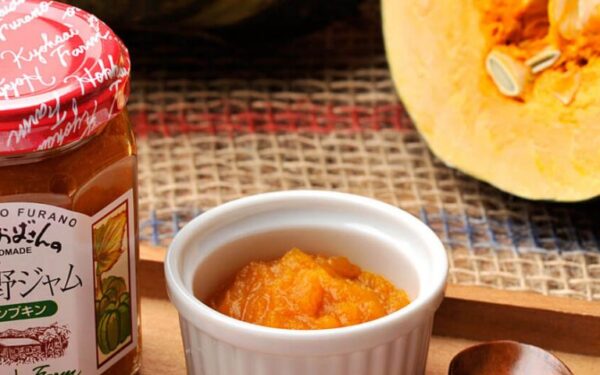
Furano Jam Sono
Furano Jam Sono
Hokkaido
Free entry
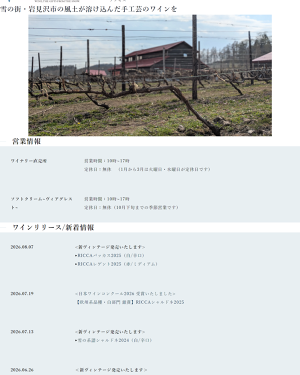
Housui Winery
Housui Winery
Hokkaido
Free admission/tour
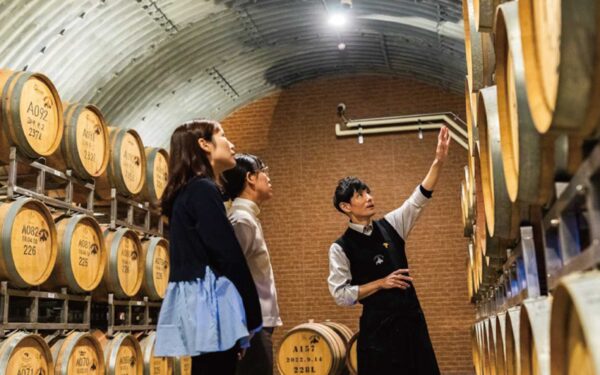
Hokkaidou Wine Otaru Wine Gyararii
Hokkaidou Wine Otaru Wine Gyararii
Hokkaido
Free tour/free tasting
Hakodatewain Budou Kan
Hakodatewain Budou Kan
Hokkaido
Free tour/free tasting
.jpg)
Ikedachou Budou・Budou Sake Kenkyuusho ( Wine Shiro )
Ikedachou Budou・Budou Sake Kenkyuusho ( Wine Shiro )
Hokkaido
Free admission/free tour
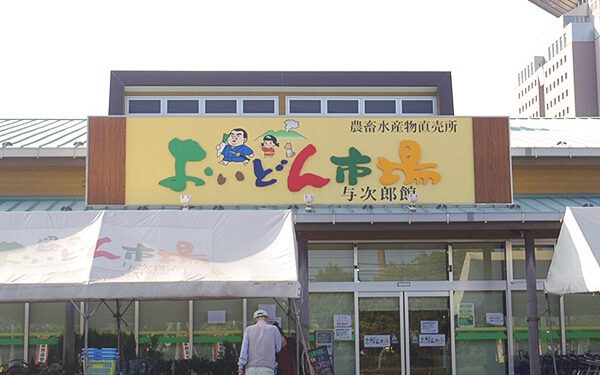
Nouchikusuisan Mono Chokubai Tokoro Oidon Shijou Yojirou Kan
Nouchikusuisan Mono Chokubai Tokoro Oidon Shijou Yojirou Kan
Kagoshima
in-store prices
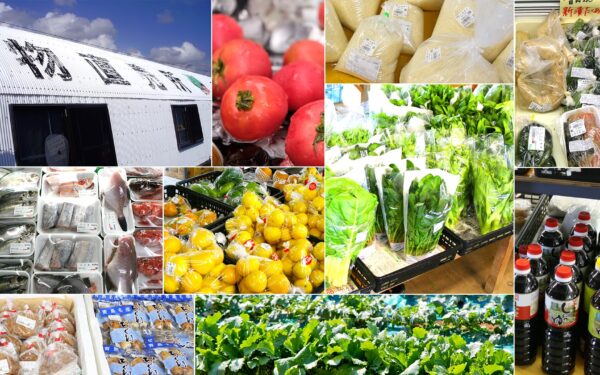
Nousanbutsu Chokubai Tokoro Konohana Shi
Nousanbutsu Chokubai Tokoro Konohana Shi
Miyazaki
in-store prices
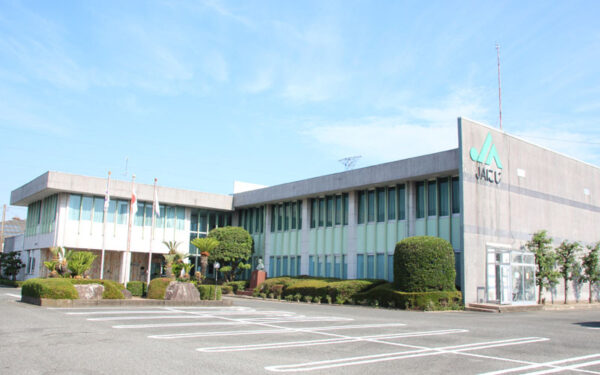
Nijino Minou No Sato Manten Shijou
Nijino Minou No Sato Manten Shijou
Fukuoka
in-store prices
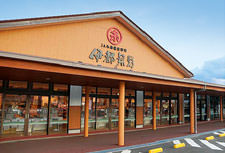
JA Itoshima Sanchoku Shijou Itonasai
Ja糸島 Sanchoku Shijou Ito Na Sai
Fukuoka
in-store prices
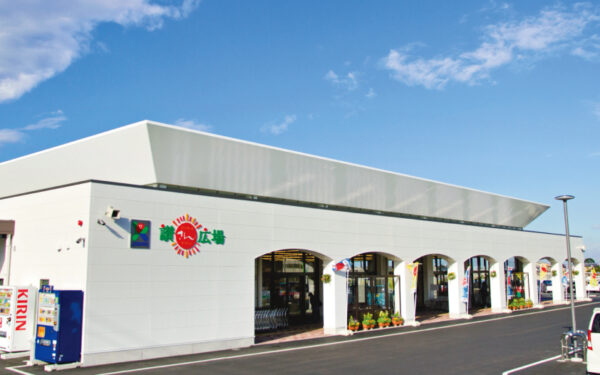
JA Kagawa Farmers Market Sansan Hiroba Iiyama
Ja香川県 Faamaazu Market San San Hiroba Iiyama Mise
Kagawa
in-store prices
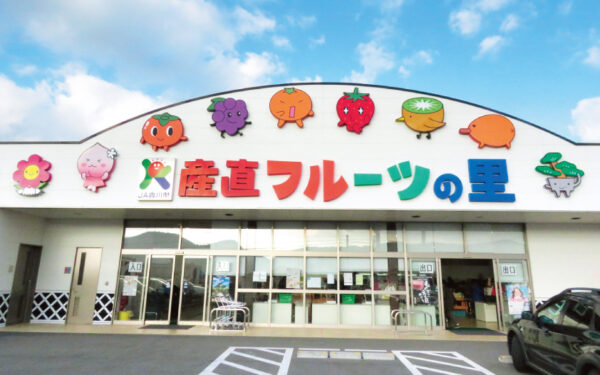
JA Kagawa Fruits-no-Sato
Ja香川県 Fruits No Sato
Kagawa
in-store prices
Saisaikite Ya
Saisaikite Ya
Ehime
in-store prices
JA Harenokuni Okayama Mercato Tamakita Kasai Kan
Ja晴れの国岡山 Merukaato Tamakita Kasai Kan
Okayama
in-store prices
Jun Sen Plaza Man Saikan
Jun Sen Plaza Man Saikan
Tottori
in-store prices
JA Hyogo Minami Nijiiro Farm
Ja兵庫南 Nijiirofa ~ Min
Hyogo
in-store prices
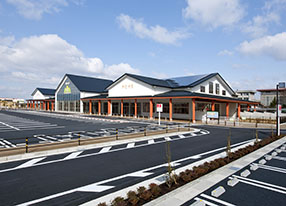
JA Naraken Mahoroba Kitchen Kashihara
Jaならけん Mahoroba Kitchin Kashihara Mise
Nara
in-store prices
Faamaazu・ Market Ippeko ~ To
Faamaazu・ Market Ippeko ~ To
Niigata
in-store prices
JA Nakano City Farm Products Market Oranche
Ja中野市農産物産館 Oranche
Nagano
in-store prices
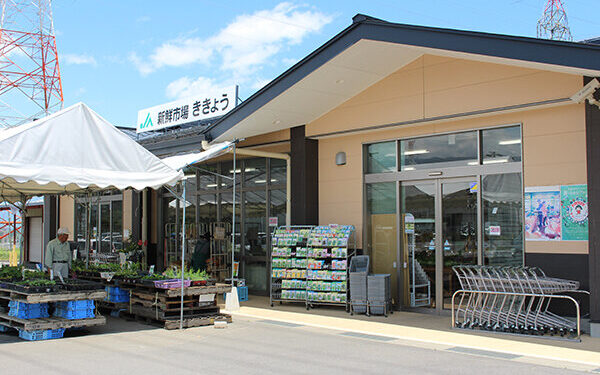
Shinsen Shijou Kikyou
Shinsen Shijou Kikyou
Nagano
in-store prices
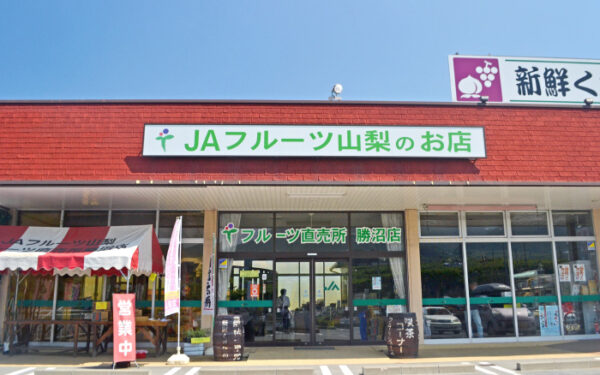
Ja Fruits Yamanashi Fruits Chokubai Tokoro Katsunuma Mise
Ja Fruits Yamanashi Fruits Chokubai Tokoro Katsunuma Mise
Yamanashi
in-store prices
-600x375.jpg)
JA Atsugi Farm Products Direct Sales Yume Hitsuji
Jaあつぎ農産物直売所 Yume Hitsuji Shi
Kanagawa
in-store prices
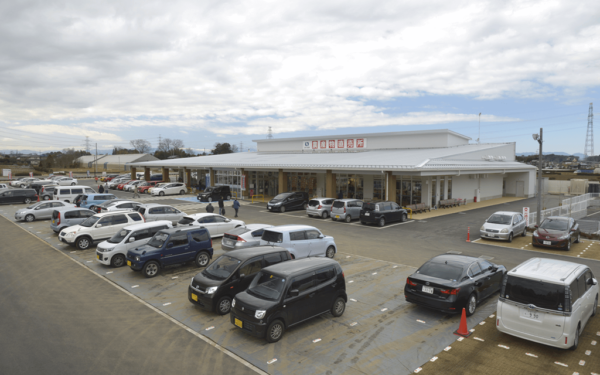
JA Irumano Farm Products Direct Sales Aguresshu Genki Mura
Jaいるま野 Nousanbutsu Chokubai Tokoro Aguresshugenki Mura
Saitama
in-store prices
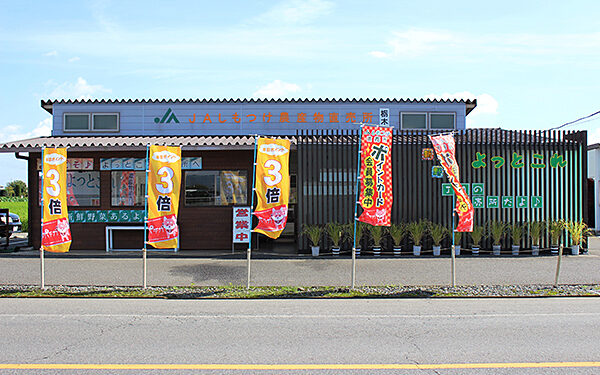
JA Shimotsuke Tochigi Farm Products Direct Sales Yottokore
Jaしもつけ Tochigi Nousanbutsu Chokubai Tokoro Yottokore
Tochigi
in-store prices
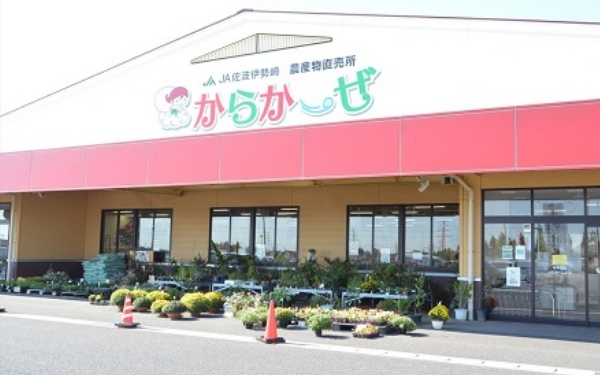
JA Sawa-Isesaki Farmers Market Karakaze
Ja佐波伊勢崎 Faamaazu Market Karaka ~ Ze
Gunma
in-store prices
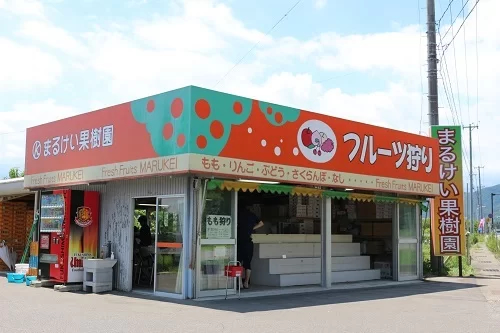
Marukei Kajuen
Marukei Kajuen
Fukushima
in-store prices
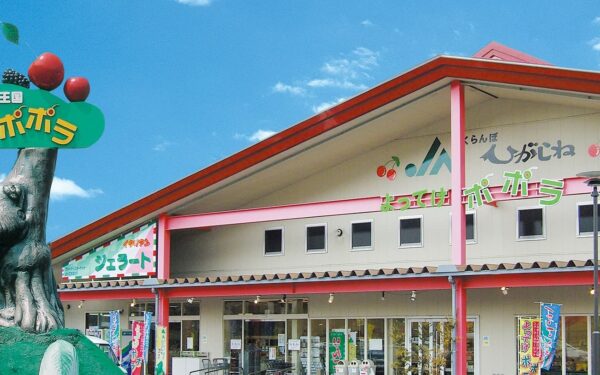
JA Sakuranbo Higashine Farmers Market Yotteke Popora
Jaさくらんぼひがしね Faamaazu Market Yotteke Popora
Yamagata
in-store prices
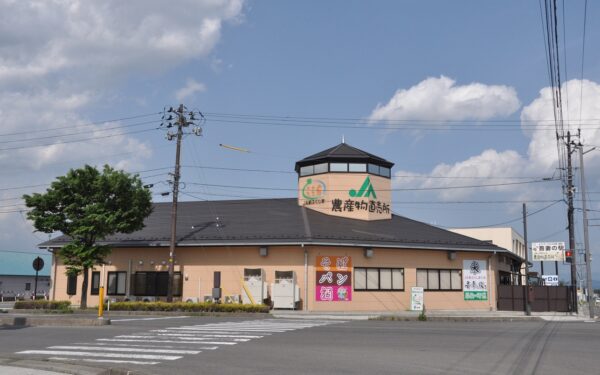
JA Fukushima Mirai Farm Products Direct Sales Kokora Azuma
Jaふくしま未来 Nousanbutsu Chokubai Tokoro Kokora Azuma Mise
Fukushima
in-store prices
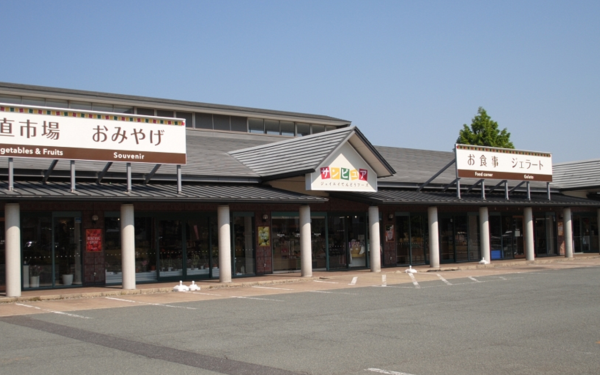
Michi No Eki Tendo Onsen Sanchoku Mise Sanpyua
Michi No Eki Tendo Onsen Sanchoku Mise Sanpyua
Yamagata
in-store prices
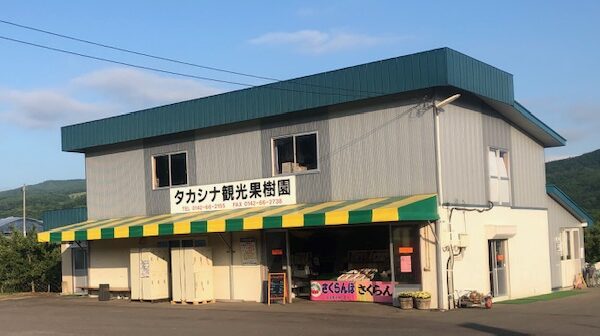
Takashina Kanko Kajuen
Takashina Kanko Kajuen
Hokkaido
in-store prices
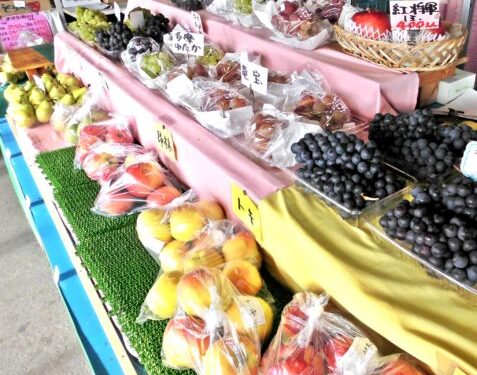
Fujimori Kajuen
Fujimori Kajuen
Hokkaido
in-store prices
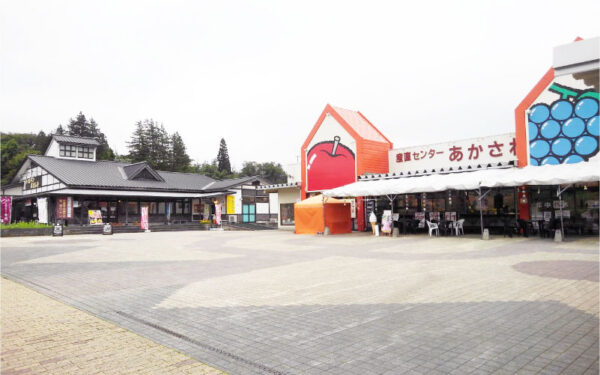
Michi No Eki Shiwa
Michi No Eki Shiwa
Iwate
Free admission. Specialty products are at in-store prices

Michi No Eki Arai
Michi No Eki Arai
Niigata
Free admission. Specialty products are at in-store prices
Michi No Eki Sanpiko Goutsu
Michi No Eki Sanpiko Goutsu
Shimane
Free admission. Specialty products are at in-store prices
Michi No Eki Tsuno
Michi No Eki Tsuno
Miyazaki
Free admission. Specialty products are at in-store prices
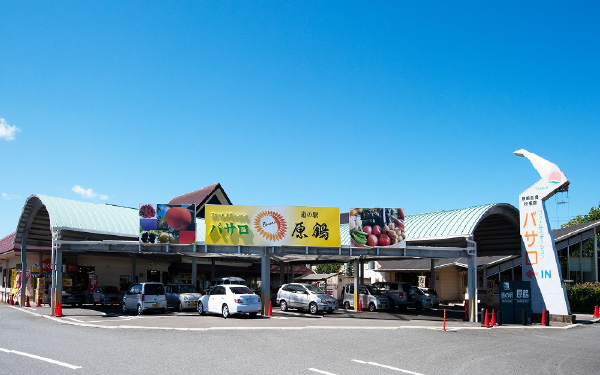
Michi No Eki Hara Tsuru Farm Station Basaro
Michi No Eki Hara Tsuru Farm Station Basaro
Fukuoka
Free admission. Specialty products are at in-store prices
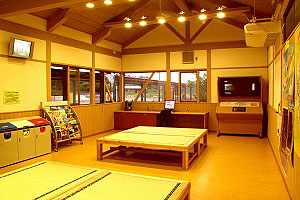
Michi No Eki Kayou
Michi No Eki Kayou
Okayama
Free admission. Specialty products are at in-store prices

Michi No Ekinai Ko Fresh Park Karari
Michi No Ekinai Ko Fresh Park Karari
Ehime
Free admission. Specialty products are at in-store prices
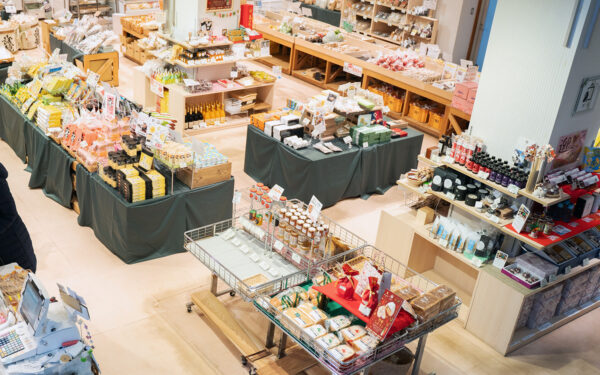
Michi No Eki Takehara
Michi No Eki Takehara
Hiroshima
Free admission. Specialty products are at in-store prices
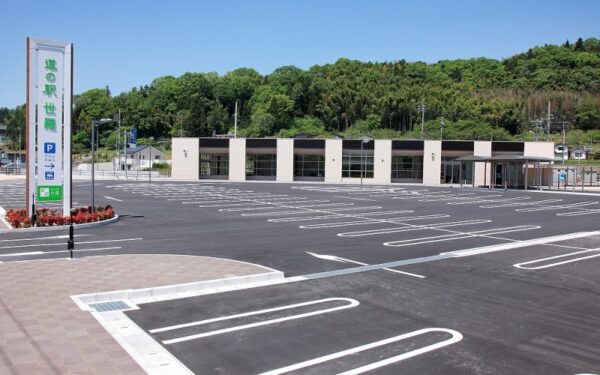
Michi No Eki Sera
Michi No Eki Sera
Hiroshima
Free admission. Specialty products are at in-store prices
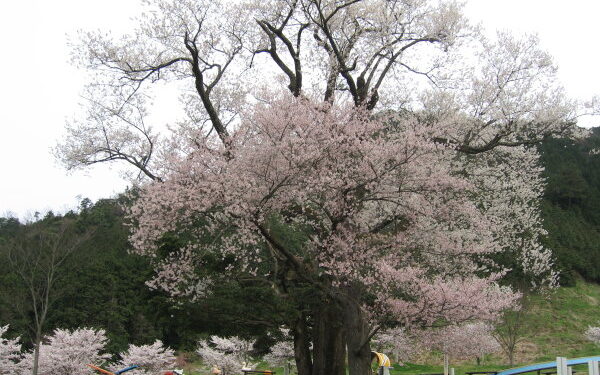
Michi No Eki Hattou
Michi No Eki Hattou
Tottori
Free admission. Specialty products are at in-store prices
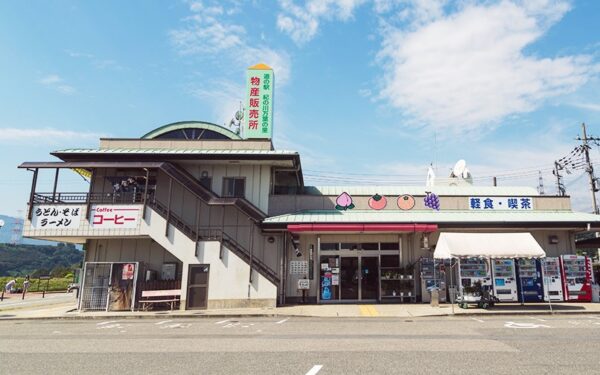
Michi No Eki Ki No Kawa Manyou No Sato
Michi No Eki Ki No Kawa Manyou No Sato
Wakayama
Free admission. Specialty products are at in-store prices
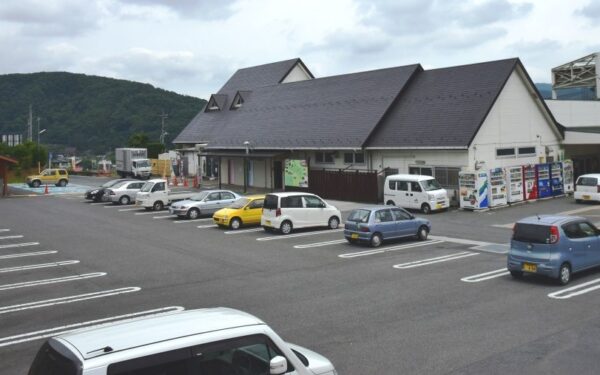
Michi No Eki Minano
Michi No Eki Minano
Saitama
Free admission. Specialty products are at in-store prices
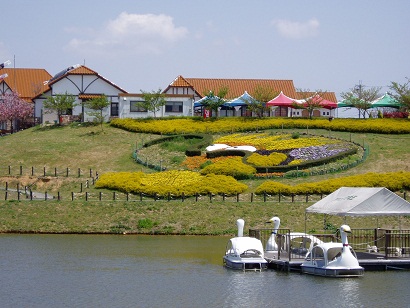
Michi No Eki Agri Park Ryuuou
Michi No Eki Agri Park Ryuuou
Shiga
Free admission. Fruit picking is an additional charge.
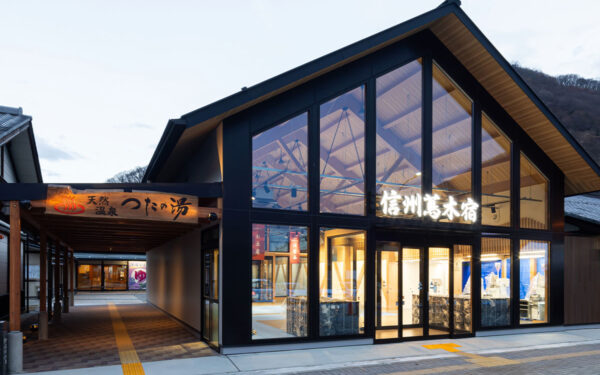
Michi No Eki Shinshuu Tsuta Ki Yado
Michi No Eki Shinshuu Tsuta Ki Yado
Nagano
Free admission. Hot springs are charged separately
Michi No Eki Raiden Kurumino Sato
Michi No Eki Raiden Kurumino Sato
Nagano
Free admission. Specialty products are at in-store prices
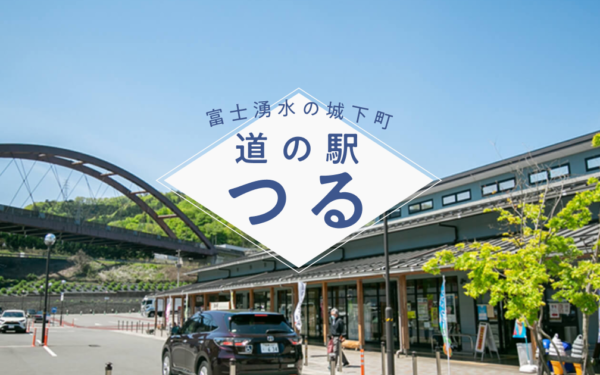
Michi No Eki Tsuru
Michi No Eki Tsuru
Yamanashi
Free admission. Specialty products are at in-store prices

Michi No Eki Minami Kiyosato
Michi No Eki Minami Kiyosato
Yamanashi
Free admission. Specialty products are at in-store prices
Michi No Eki Nirasaki
Michi No Eki Nirasaki
Yamanashi
Free admission. Specialty products are at in-store prices
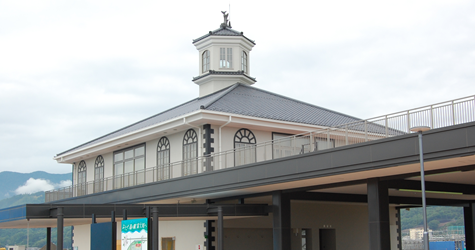
Michi No Eki Fujigawa
Michi No Eki Fujigawa
Yamanashi
Free admission. Specialty products are at in-store prices
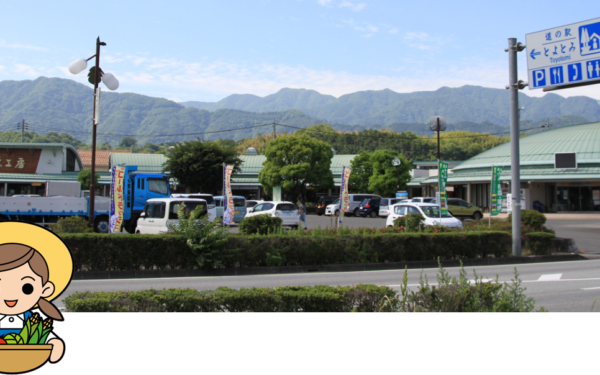
Michi No Eki Toyotomi
Michi No Eki Toyotomi
Yamanashi
Free admission. Specialty products are at in-store prices
Michi No Eki Kaju Koen Ashigakubo
Michi No Eki Kaju Koen Ashigakubo
Saitama
Free admission. Specialty products are at in-store prices
Michi No Eki Soubetsu Jouhoukan I
Michi No Eki Soubetsu Jouhoukan I
Hokkaido
Free admission. Specialty products are at in-store prices
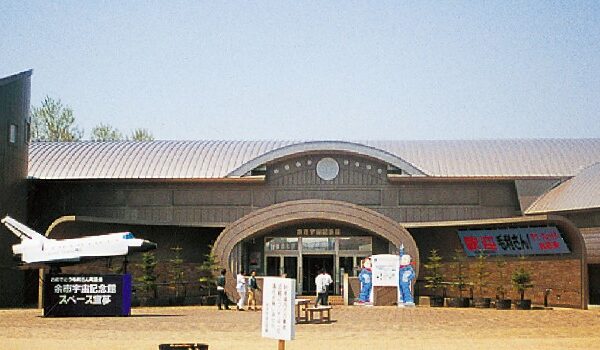
Michi No Eki Supeesu・ Apple Yoichi
Michi No Eki Supeesu・ Apple Yoichi
Hokkaido
Free admission. Specialty products are at in-store prices
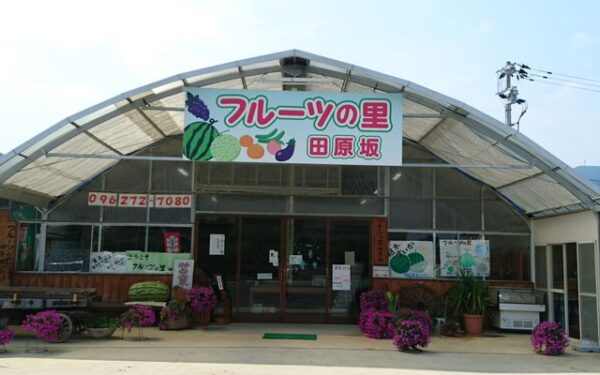
Fruits No Sato Tabaruzaka
Fruits No Sato Tabaruzaka
Kumamoto
All-you-can-eat strawberries for 30 minutes (please check the official website for prices)
Mori No Nakano Kajuen
Mori No Nakano Kajuen
Aomori
Adults 1,700 yen, Junior high school students and seniors 1,400 yen, Children 1,000 yen, Infants 600 yen
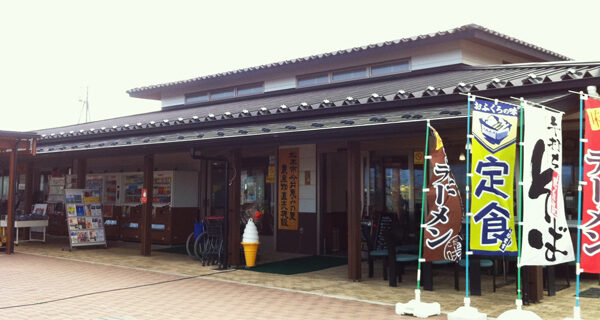
Michi No Eki Imai Megumi No Sato
Michi No Eki Imai Megumi No Sato
Nagano
Free admission (agricultural products must be purchased separately)
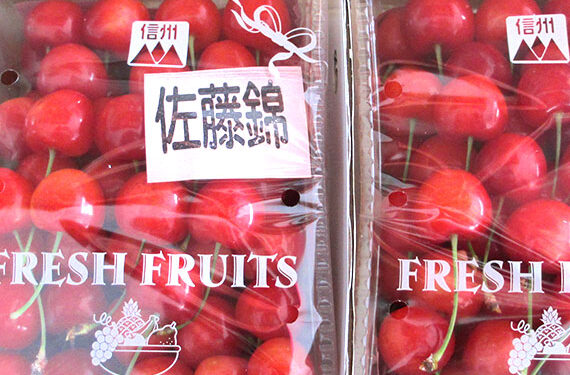
Ono Ringo Sono
Ono Ringo Sono
Nagano
All-you-can-eat apple picking + 1 piece to take home: 500 yen for adults, 300 yen for elementary school students
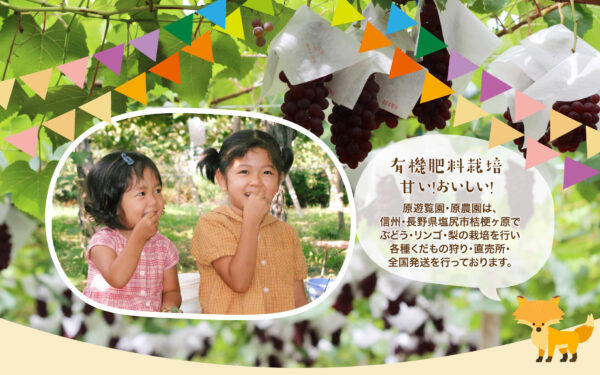
Hara Yuuran Sono ・ Hara Nouen
Hara Yuuran Sono ・ Hara Nouen
Nagano
Adults 500 yen, 65 years old and up 400 yen, Elementary school students 300 yen, Kindergarten children 250 yen (unlimited time)
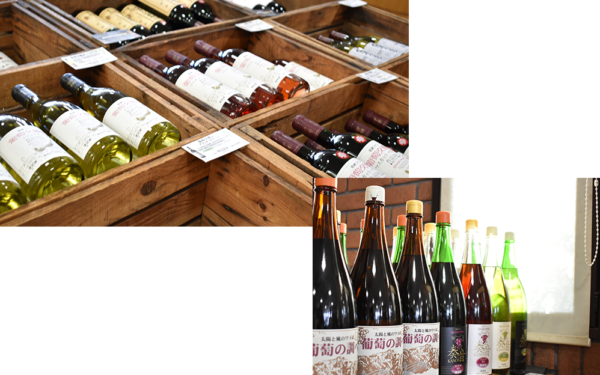
Shinano Wine
Shinano Wine
Nagano
Free tour, free tasting (paid tasting available)
Shinshuu Fruits Land
Shinshuu Fruits Land
Nagano
All-you-can-eat apples for 30 minutes 400-500 yen, All-you-can-eat grapes for 30 minutes 1,650 yen
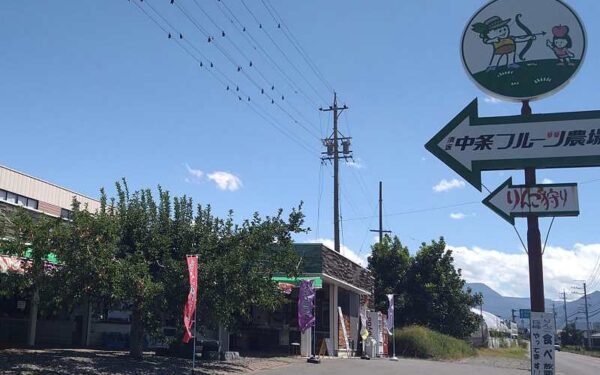
Chuujou Fruits Noujou
Chuujou Fruits Noujou
Nagano
All-you-can-eat apples for 30 minutes 400-500 yen, All-you-can-eat grapes for 30 minutes 1,650 yen
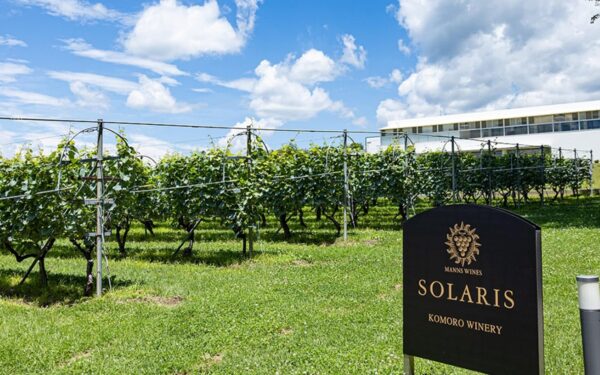
Manzu Wine Komoro Winery
Manzu Wine Komoro Winery
Nagano
Free admission / Winery tour (Friday, Saturday, Sunday, holidays from 13:30) 2,300 yen with 4 types of wine
Fumonji Kanko Sono
Fumonji Kanko Sono
Nagano
Please check the official website
Michi No Eki Fukushima
Michi No Eki Fukushima
Fukushima
Free admission. Products are in-store prices
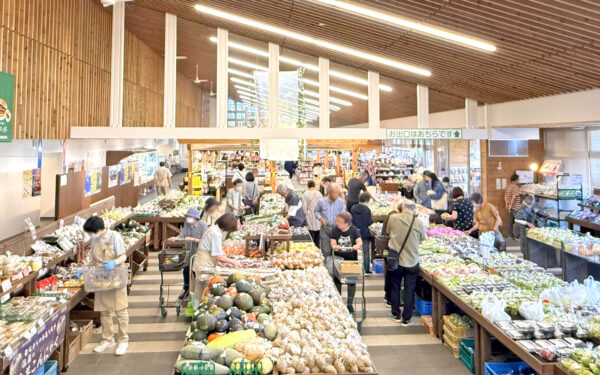
Michi No Eki Kunimi Atsukashino Sato
Michi No Eki Kunimi Atsukashino Sato
Fukushima
Free admission (separate purchase at farmers market)
-600x375.jpg)
Nouka Cafe Mori No Garden ( Marusei Kajuen Chokuei )
Nouka Cafe Mori No Garden ( Marusei Kajuen Chokuei )
Fukushima
Please check the official website for menu prices such as peach parfait.

Marusei Kajuen
Marusei Kajuen
Fukushima
Fruit picking varies depending on the item
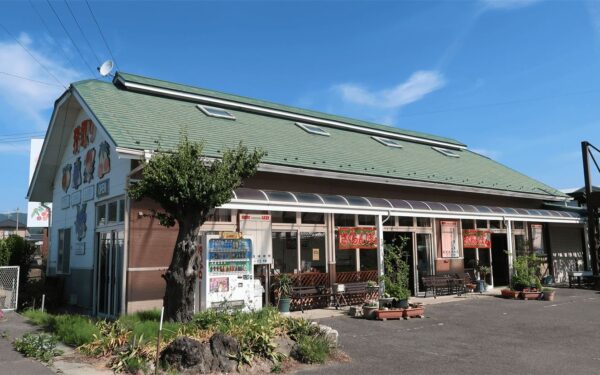
Maruyoshi Kanko Kajuen
Maruyoshi Kanko Kajuen
Fukushima
All-you-can-eat peach picking for 30 minutes, etc. (varies depending on item)
Marue Kanko Kajuen
Marue Kanko Kajuen
Fukushima
All-you-can-eat peach picking for 30 minutes: Adults (junior high school students and older) 1,210 yen, Children (4 years old to elementary school students) 990 yen, 3 years old and under free
Kudamono Hatake
Kudamono Hatake
Fukushima
Products are in-store prices
Azuma Kajuen
Azuma Kajuen
Fukushima
All-you-can-eat peach picking for 30 minutes: 1,650 yen for junior high school students and older, 1,320 yen for 4 to elementary school students, free for children 3 and under
Michi No Eki Ukiha
Michi No Eki Ukiha
Fukuoka
Tanushimaru Kanko Budou Kari Annaijo
Tanushimaru Kanko Budou Kari Annaijo
Fukuoka
Free admission (picked and sold by weight)
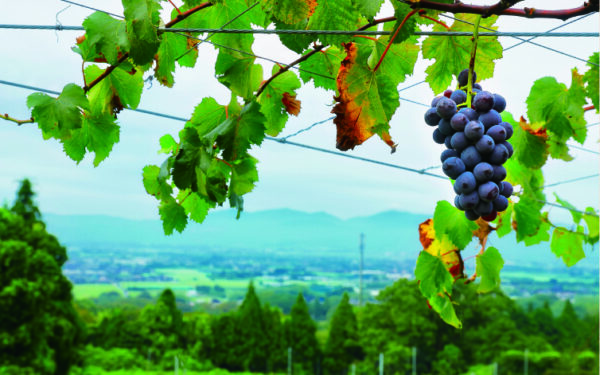
Kyohou Winery
Kyohou Winery
Fukuoka
Free tour and tasting
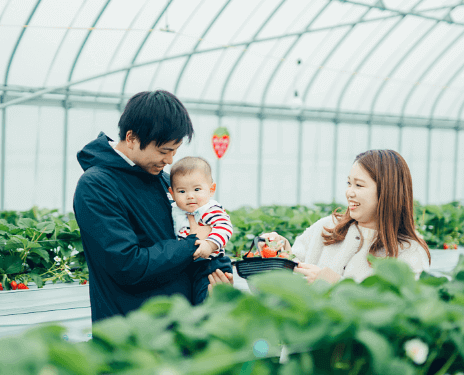
Furutorie Nakamura Kajuen
Furutorie Nakamura Kajuen
Fukuoka
Strawberry picking admission fee starts from 1,650 yen (plus 220 yen on weekends and holidays)
Kanko Nouen Kichiji Sono
Kanko Nouen Kichiji Sono
Kumamoto
All-you-can-eat strawberry picking for 40 minutes: 1,800 to 2,200 yen for junior high school students and above (varies depending on the season)
Kajitsu No Kuni Kappuruzu
Kajitsu No Kuni Kappuruzu
Kumamoto
Strawberry picking: 2,400 yen for adults, 1,700 yen for elementary school students (varies depending on the season)
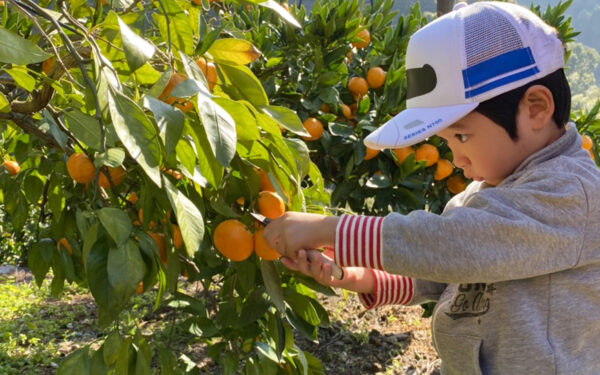
Yuu Mine Sono Fruits Land
Yuu Mine Sono Fruits Land
Kumamoto
Entrance fee: 300 yen (2 years old and over), harvested fruits can be purchased at market price.
-600x375.jpg)
Fruits Cafe Ishii ( Ishii Kajuen )
Fruits Cafe Ishii ( Ishii Kajuen )
Kumamoto
Please check the official website
10-6 Namiki Saka Fruits Parlor
10-6 Namiki Saka Fruits Parlor
Kumamoto
Parfait + drink set 1,300 yen~
Suroo Life Resort Ichigono Sato
Suroo Life Resort Ichigono Sato
Tochigi
Admission fee: 200 yen for adults, 100 yen for elementary school students (fruit picking fee is separate)
Yuuran Noujou Yamanaka Kaen
Yuuran Noujou Yamanaka Kaen
Aichi
From 1,600 yen for adults (all-you-can-eat, no time limit)

Gamagoori Orange Park
Gamagoori Orange Park
Aichi
Orange picking: 1,650 yen for adults, 1,540 yen for children, 550 yen for infants (approximately 1 kg of oranges, souvenir included, unlimited time)
-600x375.jpg)
Sachi Kaen ( Okazaki Koma Ritsu Budou Kari )
Sachi Kaen ( Okazaki Koma Ritsu Budou Kari )
Aichi
Please check the official website (unlimited time all you can eat)
Tsune Kaen
Tsune Kaen
Aichi
From 1,800 yen for adults (all-you-can-eat grapes)
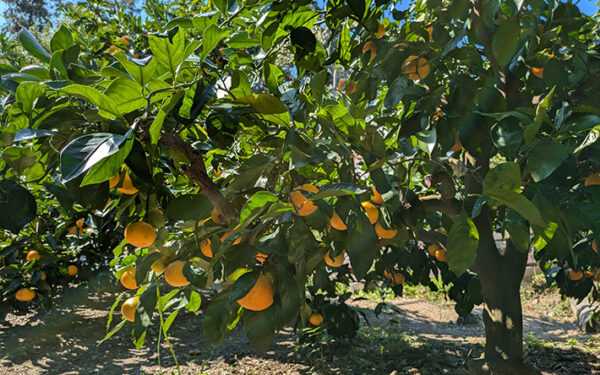
Minamichita Green Barei
Minamichita Green Barei
Aichi
Entrance fee: 1,500 yen for adults (fruit picking not included)
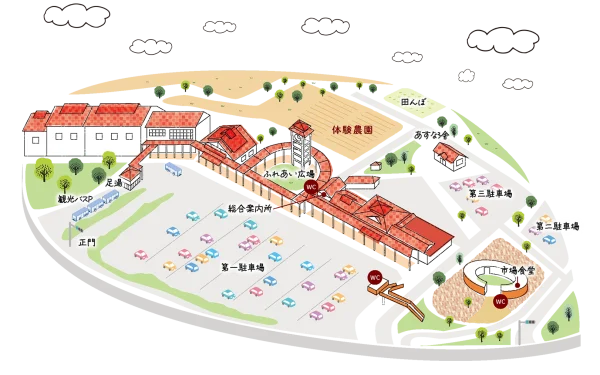
JA Agri Town Genki-no-Sato
Jaあぐり Town Genkino Sato
Aichi
Free entry
Eco Farm Uchiko
Eco Farm Uchiko
Ehime
Strawberry picking Adults 1,800 yen ~ (no time limit)
Yukimoto Nouen
Yukimoto Nouen
Ehime
Strawberry picking from 2,500 yen for adults (all-you-can-eat without time limit)
Hiroshima Sanji Winery
Hiroshima Sanji Winery
Hiroshima
Free admission (free wine tasting)
Hirata Kanko Nouen
Hirata Kanko Nouen
Hiroshima
All-you-can-eat grape picking: from 2,500 yen for junior high school students and above, strawberry picking: from 1,400 yen
Sera Kousui Nouen
Sera Kousui Nouen
Hiroshima
Grape picking/pear picking (prices vary depending on the season)
Hara Nouen
Hara Nouen
Hiroshima
All-you-can-eat grape picking for 60 minutes: 2,800 yen for junior high school students and above
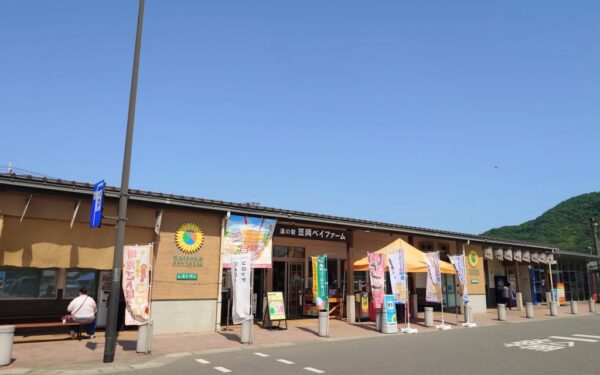
Michi No Eki Kasaoka Bei Farm
Michi No Eki Kasaoka Bei Farm
Okayama
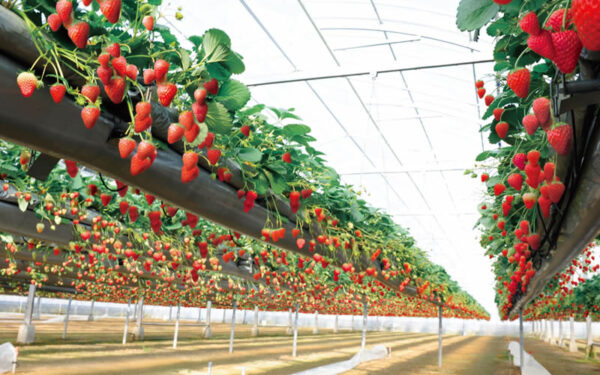
Nou Maru Engei Kibi Michi Nouen
Nou Maru Engei Kibi Michi Nouen
Okayama
Free admission, strawberry picking, peach sales, grape sales available
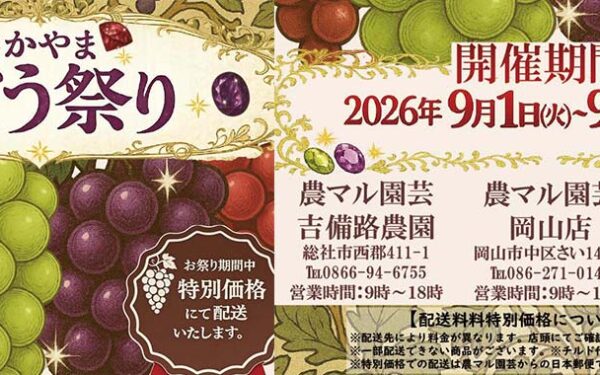
Nou Maru Engei Akaiwa Nouen
Nou Maru Engei Akaiwa Nouen
Okayama
Free admission, direct sale of peaches and grapes, parfait and shaved ice menu available
Fujiwara Engei
Fujiwara Engei
Okayama
All-you-can-eat peach picking 60 minutes: 2,500 yen for elementary school students and older, 1,500 yen for 3-5 years old
Mimasaka Nouen
Mimasaka Nouen
Okayama
1 bunch of Pione picking, all you can eat Pione, all you can eat Shine Muscat
Ishihara Kajuen
Ishihara Kajuen
Okayama
Entrance fee + hunting system (not all-you-can-eat)
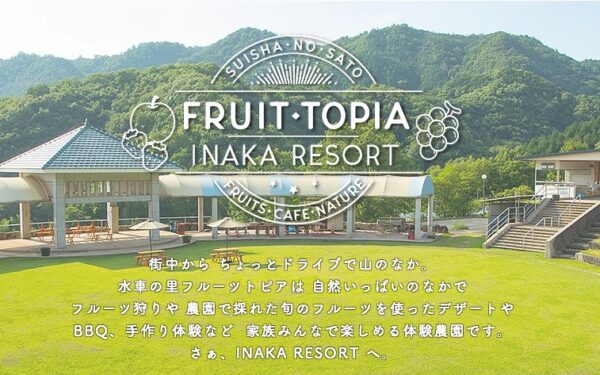
Suisha No Sato Fruits Topia
Suisha No Sato Fruits Topia
Okayama
All-you-can-eat grape picking for 40 minutes: 1,980 yen for junior high school students and above
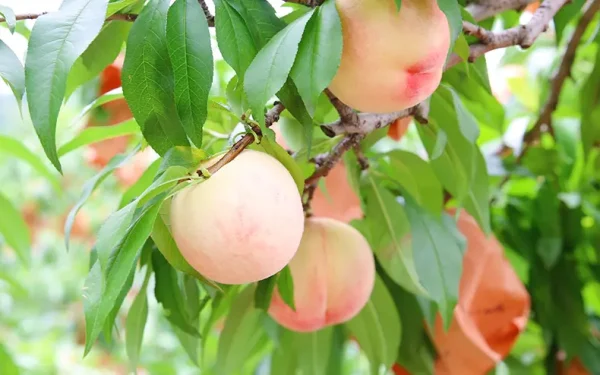
Momo Shigezane En
Momo Shigezane En
Okayama
Please check the official website (reservation required)
Toda Nouen
Toda Nouen
Okayama
Shine Muscat/Muscat Hunt 1 bunch
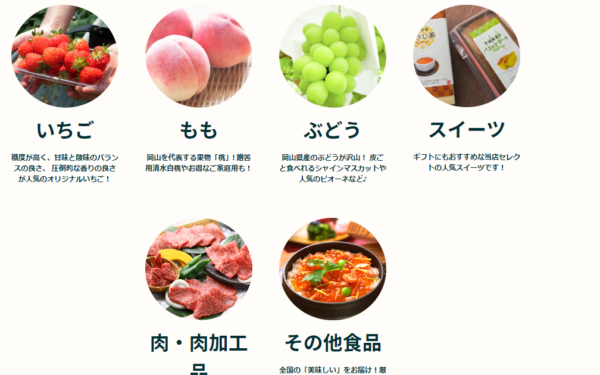
Okayama Fruits Nouen
Okayama Fruits Nouen
Okayama
Please check the official website
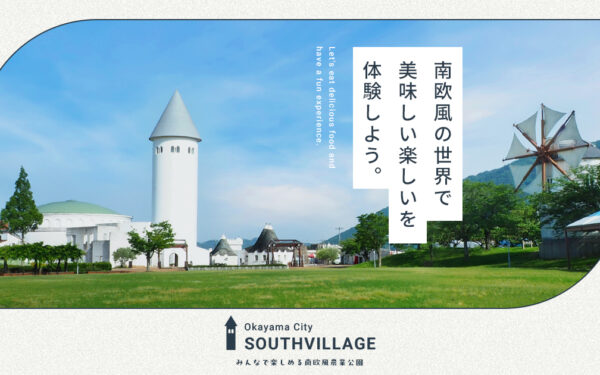
Okayamashi Sausuvirejji
Okayamashi Sausuvirejji
Okayama
All-you-can-eat grape picking for 60 minutes: 2,500 to 3,300 yen for junior high school students and above
Andou Nouen
Andou Nouen
Okayama
Pione 2 bunch picking, Pione 3 bunch picking
Fruits Park Bizen
Fruits Park Bizen
Okayama
Grape picking: 1 bunch of Aurora Black 1,080 yen, 2 bunches of Pione 1,080 yen
Mahora Farm
Mahora Farm
Okayama
Peach picking: 1,800 yen for adults, 1,200 yen for children, free for children under 3 years old
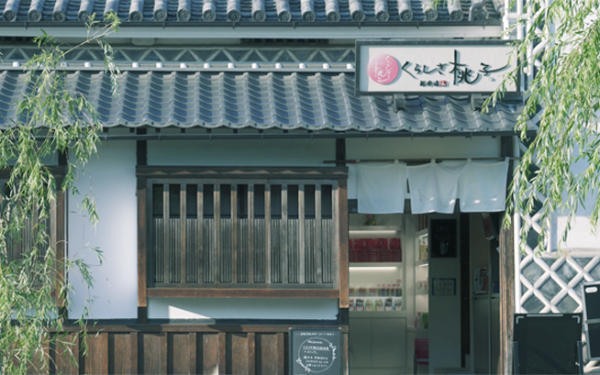
Kurashiki Momoko Kurashiki Honten
Kurashiki Momoko Kurashiki Honten
Okayama
Please check the official website
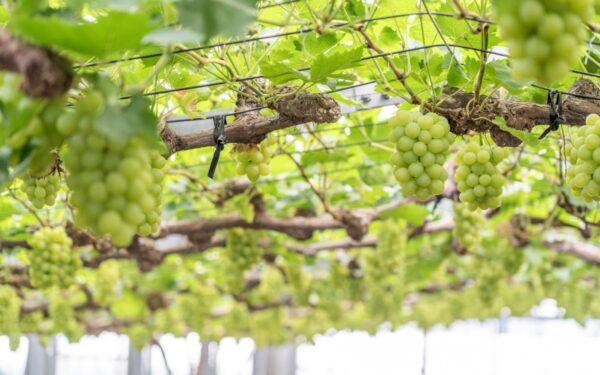
Kubo Nouen
Kubo Nouen
Okayama
Muscat hunting: 2,750 yen for adults, 1,650 yen for children (all-you-can-eat without time limit)
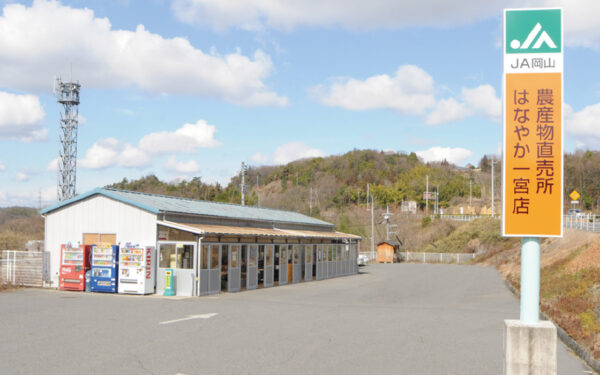
JA Okayama Farm Products Direct Sales Hanayaka Ichinomiya
Ja岡山 Nousanbutsu Chokubai Tokoro Hanayaka Ichinomiya Mise
Okayama
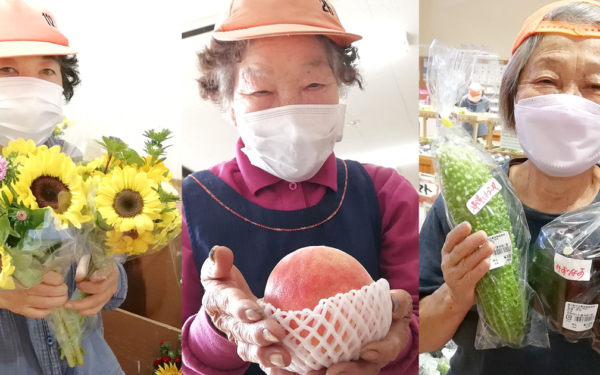
Fudoki No Oka Nousanbutsu Chokubai Tokoro
Fudoki No Oka Nousanbutsu Chokubai Tokoro
Yamanashi
Michi No Eki Kai Yamato
Michi No Eki Kai Yamato
Yamanashi
Free entry
Satomi Nouen
Satomi Nouen
Yamanashi
Free admission / All-you-can-eat grapes for 40 minutes Adults 1,700 yen, Children 1,500 yen
Michi No Eki Shirane Nousanbutsu Chokubai Tokoro
Michi No Eki Shirane Nousanbutsu Chokubai Tokoro
Yamanashi
Miharashi Sono
Miharashi Sono
Yamanashi
Peach picking: 1,400 yen for adults, 1,150 yen for children, Grape picking: 1,000 yen for adults, 850 yen for children, Kyoho picking: 1,400 yen for adults, 1,150 yen for children (all-you-can-eat for 40 minutes)
Hagiwara Fruits Nouen
Hagiwara Fruits Nouen
Yamanashi
Please check the official website (picking experience is sold by weight, all-you-can-eat is seated)
Kai Ichinomiya Kanazakura Sono
Kai Ichinomiya Kanazakura Sono
Yamanashi
Please check the official website
Misaka Nouen Grape House
Misaka Nouen Grape House
Yamanashi
Peach picking B course Adults from 1,300 yen (varies depending on the course)
Nakagome Nouen
Nakagome Nouen
Yamanashi
Peach picking souvenir course: Adults 3,300 yen ~, Cherry + peach set: Adults 3,500 yen, Grape picking: Adults 2,000 yen
Manzu Wine Katsunuma Winery
Manzu Wine Katsunuma Winery
Yamanashi
Weekday standard tour: 500 yen, Saturdays, Sundays, and holidays premium tour (includes 3 types of wine): 1,500 yen

Saegusa Nouen
Saegusa Nouen
Yamanashi
Please check the official website
-600x375.jpg)
Fruits Cafe Hachi Chinka ( Hatchinkapurasu )
Fruits Cafe Hachi Chinka ( Hatchinkapurasu )
Yamanashi
Varies depending on menu
-600x375.jpg)
Fruits Cafe Beravisuta ( Fruits Park Fujiya Hoteru )
Fruits Cafe Beravisuta ( Fruits Park Fujiya Hoteru )
Yamanashi
Please check the official website
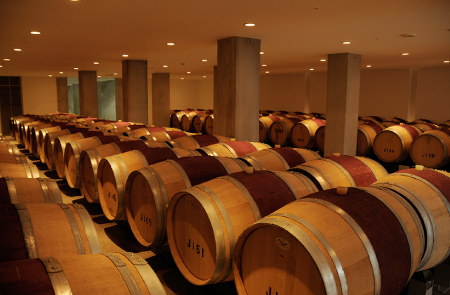
Shatoo・Merushan Katsunuma Winery
Shatoo・Merushan Katsunuma Winery
Yamanashi
Katsunuma Discovery Tour: 3,000 yen, Winemakers Tour: 5,000 yen, Special Tour: 10,000 yen
-600x375.jpg)
Green Teeburu Cafe ( Yamanashi Naitou Nouen )
Green Teeburu Cafe ( Yamanashi Naitou Nouen )
Yamanashi
Varies depending on menu
Gaia Tabe Terrace ( Oka No Eki Togenkyo )
Gaia Tabe Terrace ( Oka No Eki Togenkyo )
Yamanashi
Please check the official website
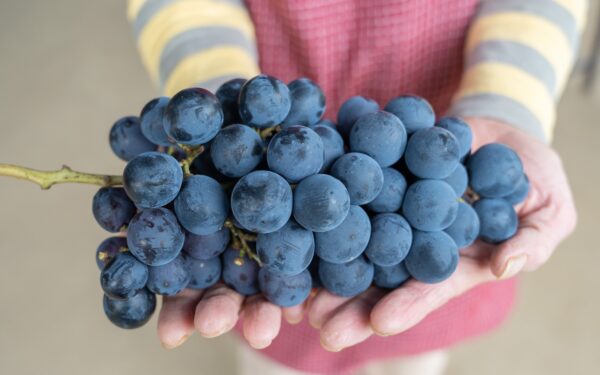
Budou Kari No Jiyuu Sono
Budou Kari No Jiyuu Sono
Yamanashi
Please check the official website (free admission, sold by weight or all-you-can-eat)
Budoubatake
Budoubatake
Yamanashi
Please check the official website (Purchase pick-up method)
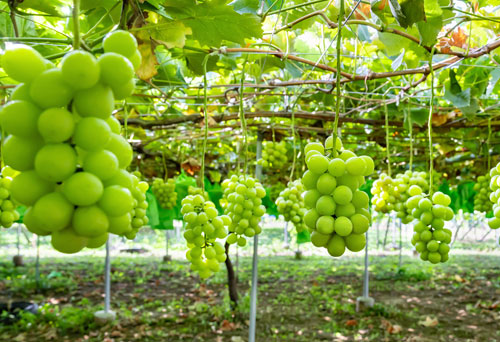
Asunaro Sono
Asunaro Sono
Yamanashi
Please check the official website
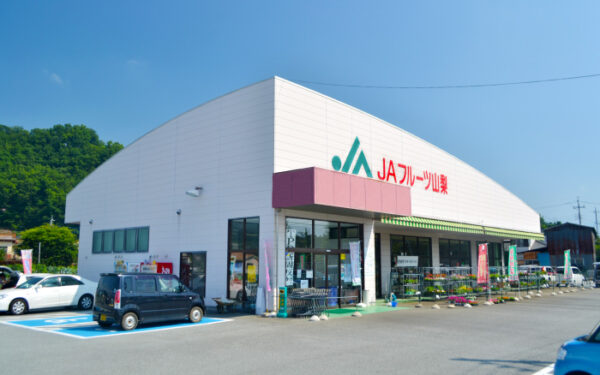
Ja Fruits Yamanashi Chokubai Tokoro Hachiman Mise
Ja Fruits Yamanashi Chokubai Tokoro Hachiman Mise
Yamanashi
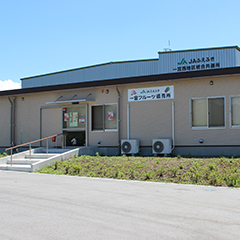
JA Fuefuki Ichinomiya Fruits Direct Sales
Jaふえふき Ichinomiya Fruits Chokubai Tokoro
Yamanashi
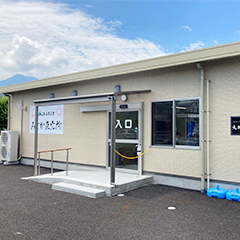
JA Fuefuki Misaka Direct Sales
Jaふえふき Misaka Chokubai Tokoro
Yamanashi
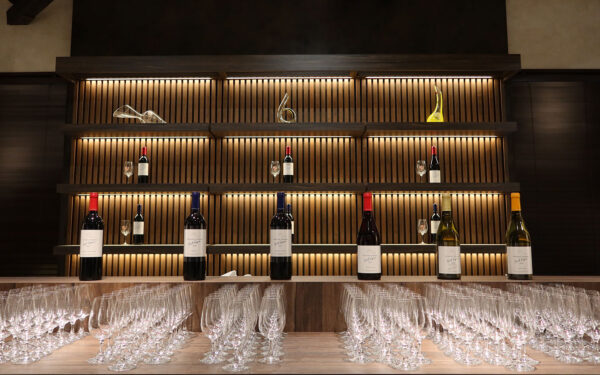
Takahata Winery
Takahata Winery
Yamagata
Factory tour/tasting free
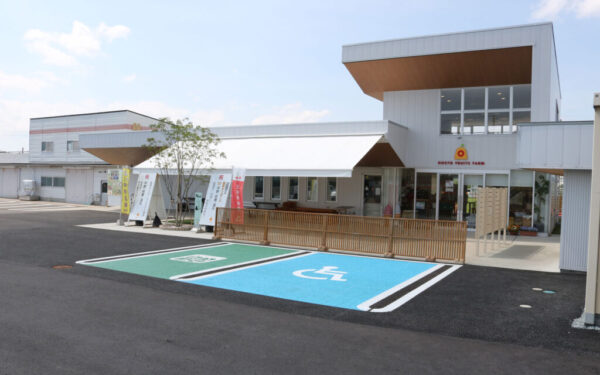
Takahashi Fruits Land Hatake Style
Takahashi Fruits Land Hatake Style
Yamagata
Outdoor cherry picking (Sato Nishiki 30 minutes all-you-can-eat) 1,600 yen for elementary school students and older, 900 yen for 3 years old and older. The greenhouse is 2,700 yen for elementary school students and older. Please check the official website
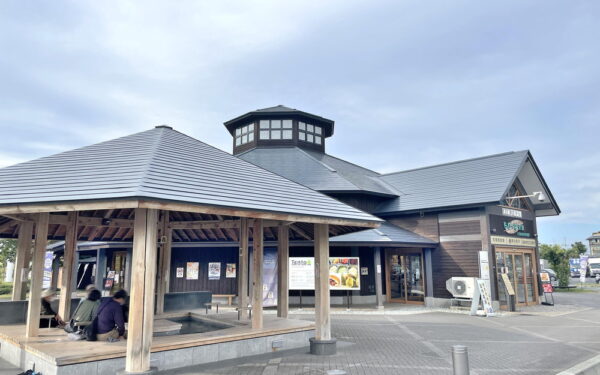
Michi No Eki Tendo Onsen
Michi No Eki Tendo Onsen
Yamagata
Free admission. Footbath "Koma no Yu" is free. Products are in-store prices
Oushou Kajuen
Oushou Kajuen
Yamagata
Cherry picking Adults (junior high school students and above) 2,500 yen (all-you-can-eat for 30 minutes). Varies depending on variety and season. Please check the official website
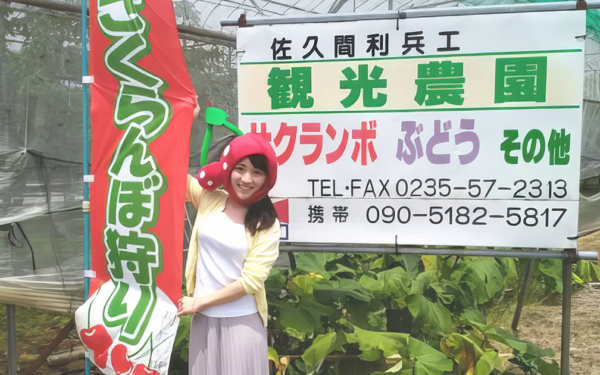
Sakuma Rihee Kanko Nouen
Sakuma Rihee Kanko Nouen
Yamagata
All-you-can-eat cherry picking: 2,400 yen for junior high school students and above, 1,600 yen for elementary school students 2-6, Grape picking 55 minutes, 2,400 yen for middle school students and above
-600x375.jpg)
Nakano Kanko Kajuen ( Nakano Fruits )
Nakano Kanko Kajuen ( Nakano Fruits )
Yamagata
All-you-can-eat cherry picking for 30 minutes: Adults 2,500 yen, Elementary school students 2,000 yen
.jpg)
Kaminoyama Kanko Fruits Sono ( Yamagata Cherry Land )
Kaminoyama Kanko Fruits Sono ( Yamagata Cherry Land )
Yamagata
All-you-can-eat cherry picking for 40 minutes (prices vary depending on variety)
-600x360.jpg)
Oh Show Cafe ( Oushou Kajuen Chokuei )
Oh Show Cafe ( Oushou Kajuen Chokuei )
Yamagata
Please check the official website for parfait prices.

Tondabayashi Shi Nougyou Koen Sabaa Farm
Tondabayashi Shi Nougyou Koen Sabaa Farm
Osaka
Admission fee: 710 yen for adults, 300 yen for children, additional charge for strawberry picking (please check the official website)
Horiuchi Kajitsu Sono Guranfuronto Oosakaten
Horiuchi Kajitsu Sono Guranfuronto Oosakaten
Osaka
Please check the official website
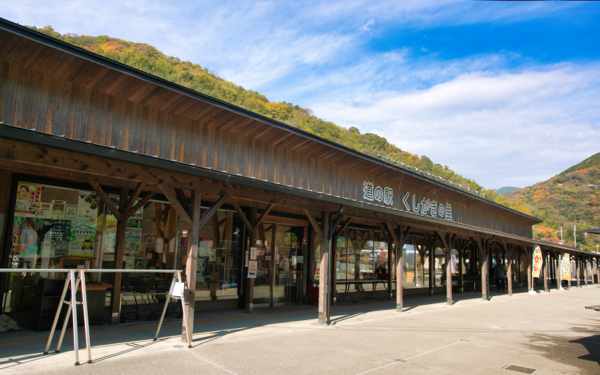
Michi No Eki Kushigakino Sato
Michi No Eki Kushigakino Sato
Wakayama
Arida Kyohou Mura Morizono
Arida Kyohou Mura Morizono
Wakayama
Adults from 1,000 yen (all you can eat, no time limit)
Hatsu Kiyoshi Sono
Hatsu Kiyoshi Sono
Chiba
Please check the official website
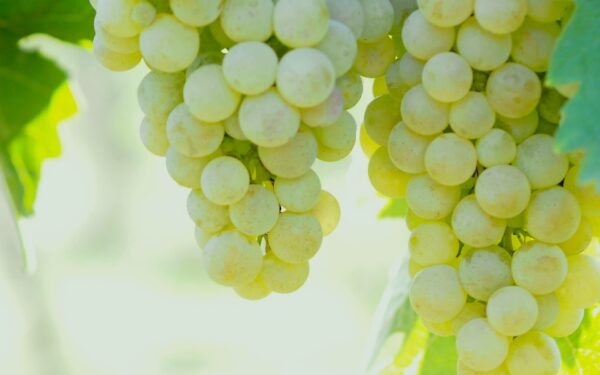
Murata Kajuen
Murata Kajuen
Hokkaido
Fruit picking: 1,000 yen for junior high school students and above, 800 yen for elementary school students, 500 yen for 3 years old and above (all-you-can-eat without time limit)
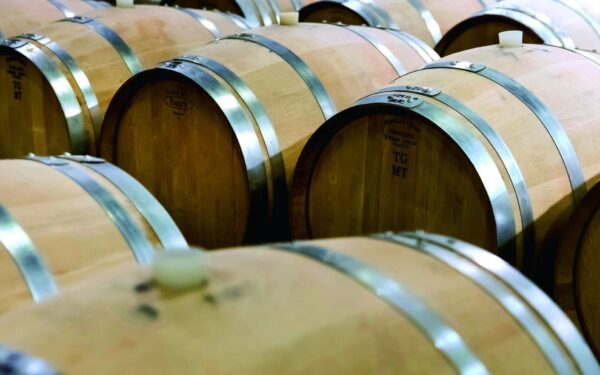
Yoichi Winery
Yoichi Winery
Hokkaido
Factory tour Free
Furano Wine Koujou
Furano Wine Koujou
Hokkaido
Factory tour/tasting free (reservations not required for less than 10 people)
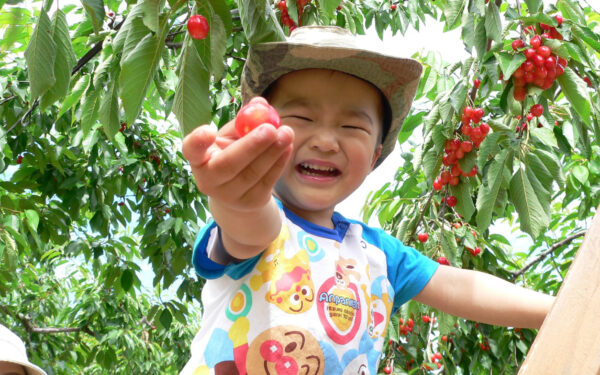
Sakuranbo Yama Kanko Nouen
Sakuranbo Yama Kanko Nouen
Hokkaido
Cherry picking Adults 2,000 yen, Children 1,400 yen, Infants 700 yen (includes 100g souvenir)
Frequently Asked Questions
When is Grape in season?
Where are the main growing regions for Grape?
Where can I enjoy Grape?
What is the best way to enjoy Grape?
Share this fruit
🍇 Grape — Find on Map
Discover nearby spots on our interactive map