Melon
Best time: May–Aug (Ibaraki early May to early Jul; Shizuoka and Aichi parks Jun–Sep)
Melon picking in Japan rarely means picking and eating as you go, the way strawberry or mikan picking does. Most farms offer a one-melon harvest: you choose a melon in the greenhouse, cut it and take it home. The season is mainly May to August, and farms in Hokota (Ibaraki), Mishima (Shizuoka) and Gamagori (Aichi) can be reached by bus or taxi from a station. This page covers the types of experience and when they run, farms you can visit without a car, 2026 prices, and how to get your melon ripe.
- Best timeMay–Aug (Ibaraki early May to early Jul; Shizuoka and Aichi parks Jun–Sep)
- Adult price (2026)Harvest one melon: ¥2,970–3,800 (some include a tasting)
- BookingAlmost always by reservation; the Ibaraki farm takes walk-ins on weekends and holidays
- Without a car?Yes, at some farms — 15 min by bus from Mishima, 8 min by taxi from Shin-Hokota
- Main regionsIbaraki, Kumamoto, Hokkaido (greenhouse melons: Shizuoka)
First, what melon picking actually involves
A melon weighs a kilogram or more and needs a few days after harvest to become ready to eat. So there is almost never strawberry-style picking where you eat as you go, and far fewer farms offer melon picking than strawberry or mikan picking. On our site, you will find three kinds of experience:
- One-melon harvest: choose your own melon in the greenhouse, cut it and take it home (farms in Ibaraki, Shizuoka and Aichi). At the Ibaraki and Shizuoka farms you also get slices of a separate, ready-to-eat melon to eat on the spot
- 30-minute all-you-can-eat melon: a summer plan at large fruit parks in Shizuoka and Aichi
- Pay by weight: buy what you harvest (a farm in Gobo, Wakayama, for a short spell from late July to early August)
Whether "all-you-can-eat" means picking in the greenhouse or eating cut melon depends on the farm and plan, so check when you book.
When to go: seasons by region
June and July give you the most options. Hokota in Ibaraki starts earliest, in early May; the fruit parks in Shizuoka and Aichi run from June to September; Wakayama has only a short window in July and August.
| Variety or type | Season (examples from listed farms) | What it is like |
|---|---|---|
| Andes, Quincy and others (Hokota, Ibaraki) | Early May to early July | Andes has green flesh, Quincy orange flesh. The main spring melons |
| Earl's-type musk melon (Shizuoka, Aichi, Wakayama) | June to September (Wakayama July–August) | Greenhouse-grown, with an even netted skin |
| Autumn musk melon (Hokota, Ibaraki) | Early September to late October | One farm reopens for picking in autumn (as listed for 2026) |
Dates shift with the crop. The Gobo farm in Wakayama lists melon picking only from late July to around August 5, and the Hokota farm charges a premium from early May to May 15. Once your dates are set, check the picking period before anything else.
Where to pick: main regions and how to get there
By shipments, Ibaraki is Japan's top melon producer — about a quarter of the national total in MAFF's 2024 statistics — followed by Kumamoto and Hokkaido; the prefecture says it has been number one for 27 years in a row. For greenhouse melons alone, Shizuoka leads with about a third of the national harvest.
Ibaraki (Hokota): The heart of Japan's biggest melon region. Forest Park Melon-no-Mori is about 8 minutes by taxi from Shin-Hokota Station on the Kashima Rinkai Railway. The Single plan — half a melon to taste plus one melon to harvest — costs ¥3,800; the Twin (two melons) is ¥6,400 and the Standard (three melons) ¥8,800, and there is a tasting-only plan for ¥1,700. The spring season runs from early May to early July. Weekdays are by reservation only; on weekends and holidays you can walk in, but admissions stop once the day's quota is reached. Book by phone, fax or email.
Shizuoka (Mishima): The prefecture known for greenhouse melons. Mishima is 45 minutes to an hour from Tokyo on the Tokaido Shinkansen, and Izu Fruits Park is about 15 minutes from Mishima Station by local bus (around ¥300, one or two buses an hour). A plan to harvest one melon on the park's own farm, with a quarter-melon tasting, costs ¥2,970 per person; 30-minute all-you-can-eat melon starts at ¥2,500 for adults, mainly from June to September. Every plan must be booked in advance (online or by phone), with free cancellation until 17:00 the day before.
Aichi (Gamagori): Gamagori Orange Park is about 10 minutes by taxi from Gamagori Station, about 40 minutes from Nagoya by JR. Melon picking (one melon) and 30-minute all-you-can-eat melon both start at ¥3,080 for adults (2026). It is open every day, and in summer it also runs grape and mango plans. Our day trip from Nagoya covers Gamagori in summer too.
If you don't need to pick, Moriyama in Shiga — about 26 minutes from Kyoto by Special Rapid — has its local brand melons at farm stands around June and July (see our day trip from Kyoto). For Hokkaido's famous melon, see our Yubari melon page.
How to choose a melon and get it ripe
A melon is not necessarily ready on the day you pick it. The farms we list advise leaving it at room temperature for a few days to a week to ripen. It is ready when the blossom end (opposite the stem) gives slightly under gentle pressure and the sweet smell gets stronger. Chill it in the fridge for two or three hours before eating to bring out aroma and sweetness.
When choosing the melon to harvest, look for a round, symmetrical fruit that feels heavy. On netted melons, a raised, even net all over is a good sign. A withering leaf where the stem meets the vine means the fruit is ripening. Keep the T-shaped stem on: how dry it gets also tells you how ripening is going.
At a kilogram or more each, two or more melons are hard to carry on trains; some farms, such as the one in Ibaraki, can arrange shipping. Count back from the days left on your trip and pick a number of melons that will be ripe while you are still around to eat them.
Prices and booking (2026)
These adult prices are 2026 examples from farms listed on our site:
- Harvest one melon: ¥2,970–3,800 (Mishima ¥2,970 with a quarter-melon tasting, Gamagori from ¥3,080, a farm by Lake Hamana ¥3,700 and Hokota ¥3,800, both with half a melon to taste)
- Two or three melons: ¥6,400–8,800 (Hokota)
- 30-minute all-you-can-eat melon: from ¥2,500 at Mishima, from ¥3,080 at Gamagori
- Pay by weight: from ¥100 per 100 g before tax (the Gobo farm)
Prices are per melon or per person, so a family can share one or two melons' worth of plans and end up with a manageable amount to carry.
Nearly every farm needs a reservation: the Mishima park for every plan, the Lake Hamana farm by phone three or four days ahead, and the Hokota farm on weekdays. Picking is in greenhouses, so it goes ahead in rain, but greenhouses get very hot in summer — morning slots are more comfortable. Weekends in July and August and the Obon holiday in mid-August are busy.
Tips for a good visit
- Picking periods are short and move with the crop. The pay-by-weight picking in Wakayama lasts only a short time, so check just before you go.
- Choose a plan with a tasting so you can eat melon on the spot while yours ripens.
- Weather and wildlife can change plans: in 2026, the Gobo farm in Wakayama announced that wild boar damage affected its melon harvest and timing.
- If you want to take melons abroad, check your destination's plant quarantine rules first; many countries and regions restrict fresh fruit.
For what to wear and bring on any fruit-picking trip, see our beginner's guide to fruit picking.
Information checked: 2026-11-03
Varieties
🍈 Where to pick Melon
12 spots
Kafuka Strawberry Farm
Shiga
Strawberry picking ¥2,400–2,800 adults / ¥1,900–2,300 elementary (45 minutes, varies by period)
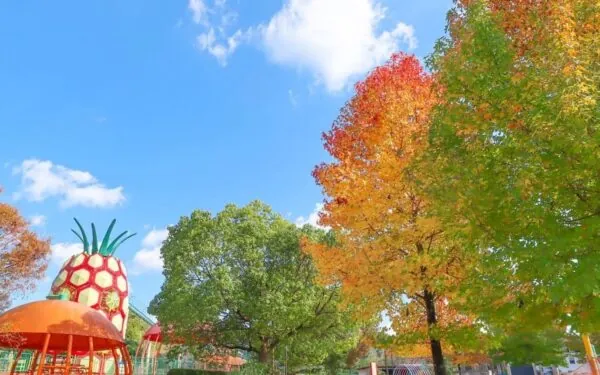
Hamamatsu Fruit Park Tokinosumika
Shizuoka
Admission ¥730 adults, ¥360 elementary & junior-high students, preschoolers free / fruit picking charged by weight (separate)
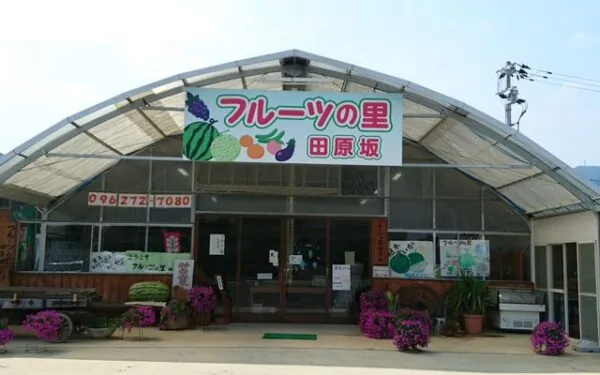
Tabaruzaka Fruit Village
Kumamoto
All-you-can-eat strawberries for 30 minutes (please check the official website for prices)
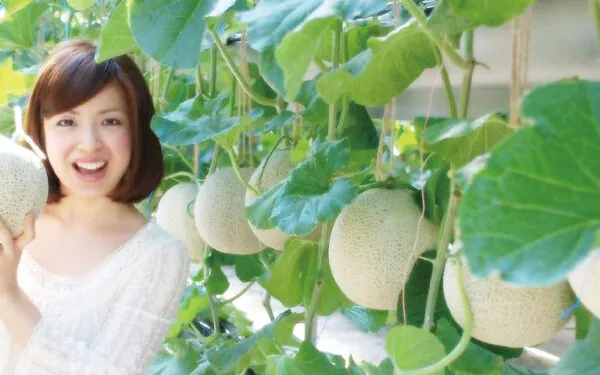
Izu Fruits Park
Shizuoka
Mandarin picking from ¥600 / melon all-you-can-eat (30 min) from ¥2,500 / cherry picking (unlimited) from ¥2,800 for adults (varies by plan and season)
Kashima Harvest
Shizuoka
Melon picking (1 ball) 3,300 yen (includes 1/2 slice of melon sampling), melon sampling only 1,320 yen
Fukasaku Farm
Ibaraki
Strawberry picking (40 min all-you-can-eat) from ¥2,300 for adults (weekdays, advance booking); farm shop and cafe free to enter

Forest Park Melon-no-Mori
Ibaraki
Melon picking ¥1,700 (tasting only) to ¥8,800 (pick 3 melons); Hitachi beef barbecue courses available
Minami Kaju Engei
Ibaraki
Please contact us officially
Gamagori Orange Park
Aichi
Mandarin picking ¥1,650 adults (souvenir incl.) / Kyoho picking ¥1,870 / Delaware picking ¥1,540 / melon picking or all-you-can-eat from ¥3,080 / all-you-can-eat mango ¥3,080 (varies by plan and season)
Strawberry Park Mifune
Aichi
Adults 2,000 yen~ (45 minutes of all-you-can-eat strawberry picking)
Kinokuni Farm
Wakayama
Strawberry picking (40-min all-you-can-eat): adults ¥2,200–2,400, elementary-school children ¥1,800–2,000, children 3+ ¥1,000–1,200 (varies by season); see the official site for melon-picking prices
Hidaka Farm
Wakayama
Strawberry picking / all-you-can-eat: adults ¥2,300, elementary ¥1,800, children ¥1,200 (before tax); melon picking by weight from ¥100 per 100 g
🗺 Farm shops, fruit parlours and other Melon spots (57) on the map →
Next steps
Share this fruit
🍈 Melon — Find on Map
Discover nearby spots on our interactive map