Blueberry
In Season: Jun–Sep In Season
🫐 Complete Guide to Blueberry Picking
The Appeal of Blueberries and the Joy of Fruit Picking
Blueberries are one of the most popular and accessible berry fruits. These tiny berries pack concentrated sweetness and tartness, and are often called a "superfood" thanks to their rich nutrient profile, including anthocyanins -- a type of polyphenol. Originally native to North America, blueberries have been cultivated in Japan since the 1960s and have since become a beloved fruit picking experience available nationwide.
Blueberry picking is a staple summer fruit picking activity, enjoyed from early summer through the height of the season. The experience of hand-picking clusters of small berries from low bushes captivates adults and children alike. Pop a freshly picked blueberry into your mouth and it bursts with sweet-tart juice. The fresh flavor is incomparably better than anything found at the supermarket, and first-time blueberry pickers are sure to be amazed.
Another major draw of blueberry picking is the chance to compare different varieties. Many farms cultivate anywhere from several to dozens of varieties, each with distinctly different levels of sweetness, tartness, berry size, and texture. You may be surprised at just how different blueberries can be from one variety to the next. Blueberry bushes are also low-growing and thorn-free, making it safe for even small children to join in the harvest. This makes blueberry picking an ideal family outing.
Peak Season and Regional Differences
The blueberry picking season generally runs from early June to late September. Harvest timing varies significantly depending on the variety type, with early varieties ready from early June and late varieties available through late September.
Peak Season by Variety Type
| Variety Type | Peak Season | Best Growing Region |
|---|---|---|
| Northern Highbush | Early June to late July | Cool climates, Kanto and northward |
| Southern Highbush | Late May to early July | Warm climates, Kanto and westward |
| Rabbiteye | Mid-July to late September | Warm climates, Kanto and westward |
Blueberry varieties are broadly classified into two groups: Highbush and Rabbiteye. Highbush varieties prefer cooler climates and tend to produce large, sweet berries, with their peak harvest from June through July. Rabbiteye varieties are heat-tolerant and grown in warmer regions, with harvest running from July through September. Many farms transition from Highbush to Rabbiteye varieties as the season progresses, allowing for a long blueberry picking season overall.
Key Growing Regions
Tokyo -- Surprisingly, Tokyo boasts the largest blueberry cultivation area in Japan. Kodaira City is considered the "birthplace of blueberry cultivation in Japan," where the country's first commercial blueberry farming began in 1968. There are numerous pick-your-own blueberry farms throughout the Tokyo metropolitan area, and easy access from central Tokyo is a major draw. The season runs from early July to late August.
Gunma Prefecture -- With the second-largest cultivation area in the country, Gunma is a major blueberry-producing region. The northern area around Numata City takes advantage of its high-altitude, cool climate for thriving Highbush cultivation. The significant temperature difference between day and night produces berries with exceptional sweetness. The season runs from late June to late August.
Ibaraki Prefecture -- The third-largest producing region, Ibaraki features blueberry farms scattered around Tsukuba City and Ishioka City. The flat terrain supports large-scale farms where visitors can enjoy a relaxed blueberry picking experience in spacious fields.
Nagano Prefecture -- The cool highland climate is ideal for growing Highbush blueberries, producing large, exceptionally sweet, high-quality berries. Day-trip itineraries that combine blueberry picking with visits to resort areas like Karuizawa and Azumino are especially popular.
Chiba Prefecture -- With easy access from central Tokyo, Chiba's pick-your-own blueberry farms are popular with families. The warm climate supports a wide range of varieties, from Southern Highbush to Rabbiteye.
Variety Guide -- Flavor and Characteristics
Popular Highbush Varieties
#### Bluecrop
The most widely cultivated blueberry variety in the world. The berries are medium to large, with a perfect balance of sweetness and tartness. Rich in flavor, Bluecrop is delicious eaten fresh or made into jam. Thanks to its reliable yields, this is one of the most common varieties found at pick-your-own farms. Peak season is late June to mid-July.
#### Spartan
One of the largest-berried Highbush varieties, sometimes producing fruit the size of a 100-yen coin. Often called the "king of blueberries," Spartan is prized for its intense sweetness and juicy texture. However, it is difficult to cultivate and yields are somewhat lower. Peak season is mid-June to early July. Recommended for those who want to try extra-large blueberries.
#### Chandler
An ultra-large Highbush variety that can produce berries the size of a 500-yen coin. The large size makes for a satisfying eating experience. With a good balance of sweetness and tartness, Chandler has been growing in popularity in recent years. Peak season is late June to late July.
#### Duke
A leading early-season variety and one of the first blueberries to ripen each year. The berries are medium-sized with a light, refreshing sweetness. The firm flesh and easy stem release make Duke one of the easiest varieties to pick. Peak season is early to late June.
Popular Rabbiteye Varieties
#### Tifblue
A classic Rabbiteye variety with a long track record of cultivation. The berries are medium-sized with notably strong sweetness. With very little tartness, Tifblue is a great choice for those who find blueberries too sour. Peak season is late July to mid-August.
#### Brightwell
A popular Rabbiteye variety known for its large berries and strong sweetness. The skin has little astringency and the aftertaste is clean and refreshing. Brightwell is also prized for its high, consistent yields. Peak season is mid-July to late August.
Tips for Comparing Varieties
When tasting different varieties during blueberry picking, it is best to start with Highbush varieties and then move on to Rabbiteye types. Highbush berries are characterized by bright acidity and delicate sweetness, while Rabbiteye berries feature a richer, deeper sweetness -- allowing you to appreciate the shift in flavor. Even within the same variety, taste can differ depending on how much sun a particular bush gets and how deeply colored the berries are, so try fruit from several bushes for comparison.
How to Spot a Delicious Blueberry
Here are some tips for selecting the sweetest, most delicious berries during your blueberry picking adventure.
Skin color -- A fully ripe blueberry has a uniformly deep blue-indigo color across the entire berry. Berries that still show some redness are underripe and will taste sour. Look for berries that are deeply colored all the way around the stem end.
Bloom (white powder) -- Like grapes, blueberries develop a whitish powder called "bloom" on their surface. This is a natural wax secreted by the fruit and is a sign of freshness. Berries with a generous coating of bloom tend to be the freshest and most flavorful.
Position on the cluster -- Berries at the tip of a cluster ripen first, so start by picking the darkest-colored berries near the ends. There is no need to wait for an entire cluster to turn dark -- simply pick the ripe ones individually.
Feel -- Gently squeeze a berry between your fingers. One with a moderate firmness is at the ideal stage for eating. Rock-hard berries are underripe, while overly soft ones are overripe.
Easy release -- A fully ripe blueberry comes off the bush with just a light tug. If you have to pull hard, the berry is not yet ripe. Don't force it -- only pick berries that come away easily.
Tips to Get 10 Times More Out of Blueberry Picking
1. Choose a Farm with Multiple Varieties
The real joy of blueberry picking lies in exploring the flavor differences between varieties. It is not uncommon for farms to grow 10 or more varieties, and those with labeled signs for each variety make it easy to compare intentionally. Asking the farm staff for their recommendations is also a fun way to interact.
2. Go in the Cool Morning Hours
Since blueberry season overlaps with the height of summer, heat management is key. Arriving right when the farm opens in the morning lets you pick in cooler conditions, and the chilled berries taste even sweeter. A hat, sunscreen, and a drink are absolute must-haves.
3. Avoid Dark-Colored Clothing
Blueberry juice leaves stubborn stains on clothing. Avoid white or light-colored clothes and opt for something that won't show stains. If you are bringing children, packing a change of clothes is a smart precaution.
4. Bring an Insulated Cooler Bag
Freshly picked blueberries are all about freshness. Harvested berries are sensitive to heat and will quickly soften over time. Bring a cooler bag and ice packs to keep your take-home blueberries chilled.
5. Savor the "Pick It Yourself" Experience
Unlike buying pre-packed blueberries, the entire experience of examining each berry, plucking it by hand, and popping it into your mouth -- this is what makes blueberry picking special. Rather than rushing to collect as many as possible, take your time savoring each berry for a more rewarding experience.
6. Try Making Jam or Smoothies
Your take-home blueberries are also great for making jam, smoothies, or blueberry sauce. After enjoying them fresh, freeze any extras so you can whip up homemade treats whenever you like.
Nutrition and Health Benefits
Blueberries pack a surprisingly rich array of nutrients into each tiny berry. According to Japan's Standard Tables of Food Composition (8th revision), 100g of fresh blueberries contains 48 kcal of energy and 3.3g of dietary fiber.
Anthocyanins
The blue-purple pigment in blueberries is anthocyanin, a type of polyphenol. It has powerful antioxidant properties and works to neutralize free radicals in the body. The popular belief that "blueberries are good for your eyes" stems from anthocyanin's role in helping regenerate rhodopsin, a protein involved in vision. However, recent research suggests that its effect on improving eyesight itself is limited, and it is more accurately valued for its ability to reduce eye fatigue.
Cardiovascular Benefits
The most well-supported health benefit of blueberries relates to the cardiovascular system. Multiple clinical trials have reported that consuming around 100g of blueberries daily over time can lower blood pressure and improve vascular endothelial function. Research suggests that anthocyanins promote nitric oxide production, which helps improve blood vessel flexibility.
Dietary Fiber
At 3.3g per 100g, blueberries are among the higher-fiber fruits. This fiber is effective for improving gut health and promoting regular bowel movements. Blueberries contain both soluble and insoluble dietary fiber, and also serve as food for beneficial gut bacteria, contributing to a healthier intestinal flora.
Vitamin E
A fat-soluble antioxidant vitamin, vitamin E helps protect cell membranes from oxidative stress. The combined action of anthocyanins and vitamin E is thought to provide an enhanced antioxidant effect.
Manganese
Blueberries also contain the mineral manganese. Manganese is involved in bone formation and metabolism, and is also an important component of antioxidant enzymes in the body.
Cognitive Function Benefits
Multiple studies have reported that regular blueberry consumption is effective in maintaining cognitive function. Research suggests that anthocyanins may improve blood flow to the brain and enhance signaling between nerve cells.
Storage Tips and Taking Your Blueberries Home
Room Temperature Storage
Blueberries are not suited for room temperature storage. In summer heat, they can start to deteriorate within hours, so refrigerate or eat them as soon as possible after picking.
Refrigerator Storage
Line a container with paper towels, arrange the blueberries in a single layer without overlapping, cover with a lid, and store in the refrigerator. The key is to wash them only right before eating -- not before storing. Moisture promotes mold growth. This method keeps blueberries fresh for 5 to 7 days.
Freezer Storage
Blueberries are exceptionally well suited to freezing. Rinse them, pat them thoroughly dry, spread them out in a single layer on a tray to freeze, then transfer the frozen berries to a ziplock bag. This method preserves them for over six months. Frozen blueberries retain nearly the same nutritional value as fresh ones, and can be used straight from the freezer in smoothies and yogurt. Some research even suggests that freezing may break down cell walls and increase the release of anthocyanins, potentially improving their absorption by the body.
Tips for Taking Blueberries Home
Blueberries are small and soft, so careful handling during transport is important. After placing them in the packs provided by the farm, put them in an insulated cooler bag to keep the temperature down during the trip home. If berries are stacked too deeply in a single pack, they can get crushed, so divide larger quantities into multiple packs. Since exposure to the high temperatures inside a car causes rapid deterioration, proper cooling is essential.
Regional Guide -- Recommended Areas
Tokyo (Kodaira and Kokubunji Area)
Centered around Kodaira City -- the birthplace of blueberry cultivation in Japan -- there are numerous pick-your-own farms throughout the Tokyo metropolitan area. The biggest draw is the accessibility, with farms just 30 to 60 minutes by train from central Tokyo, making it easy to enjoy a casual day trip for blueberry picking. Farms can also be found in Kokubunji City and Higashimurayama City, and the sight of blueberry fields suddenly appearing amid residential neighborhoods is a uniquely Tokyo experience. The season runs from early July to late August, and many farms offer all-you-can-eat plans.
Gunma Prefecture (Numata and Minakami Area)
Northern Gunma Prefecture, with its high altitude and cool summers, offers an ideal environment for growing Highbush blueberries. Numata City and Minakami Town are home to large-scale blueberry farms where you can enjoy tasting dozens of varieties across spacious fields. The wide day-to-night temperature swing produces berries with exceptional sweetness. About 2 hours from Tokyo via the Kan-Etsu Expressway, the area pairs well with visits to attractions like Mt. Tanigawa and Minakami Onsen hot springs.
Ibaraki Prefecture (Tsukuba and Ishioka Area)
This area features blueberry farms spread across the flat Kanto Plain. The wide, open spaces allow for a relaxed picking experience, and some farms are wheelchair accessible. With improved access thanks to the Tsukuba Express rail line, the area has grown in popularity as a day-trip destination from Tokyo. Visitors also enjoy combining blueberry picking with trips to nearby attractions like Mt. Tsukuba and the JAXA Tsukuba Space Center.
Nagano Prefecture (Karuizawa and Azumino Area)
The highland areas of Nagano Prefecture, renowned as a summer retreat, cultivate premium Highbush blueberries in their cool climate. The berries are large and exceptionally sweet, and summer travel plans combining blueberry picking with stays at Karuizawa or Azumino resort areas make for a truly special experience. Karuizawa Station is about 1 hour from Tokyo via the Hokuriku Shinkansen, offering excellent access.
Frequently Asked Questions
Q. How much does blueberry picking cost?
For all-you-can-eat plans, prices are generally 500 to 2,000 yen for adults and 300 to 1,000 yen for children. Time limits are typically 30 to 60 minutes, though some farms offer unlimited time. Take-home berries are usually sold by weight at around 200 to 400 yen per 100g.
Q. Do I need a reservation?
This varies by farm, but the number of reservation-required farms is increasing. Weekends can get particularly busy, so advance reservations are recommended. Some farms close for the day once all ripe berries have been picked, so arriving early and confirming beforehand is a safe bet.
Q. How much can one person eat?
At an all-you-can-eat session, adults typically eat 200 to 300g and children eat 100 to 200g. Blueberries are small and easy to eat, so it is easy to overindulge without realizing it. Keep your stomach in mind and aim for a reasonable amount.
Q. Do blueberries retain their nutrients when frozen?
Freezing preserves nearly all the nutrients, including anthocyanins. In fact, some research suggests that freezing may break down cell walls, making anthocyanins easier to release and potentially improving absorption by the body. Freezing is an excellent preservation method from a nutritional standpoint as well.
Q. What age can children start enjoying this?
Blueberry picking can be enjoyed by children from around age 2 to 3, once they can walk and pick berries on their own. The low bushes and absence of thorns make it safe for small children to participate in the harvest. However, blueberry juice stains are difficult to remove from clothing, so dress children in clothes you don't mind getting dirty.
Q. Can you go picking on rainy days?
Outdoor farms typically close on rainy days, but greenhouse-grown blueberry farms can operate rain or shine. The number of greenhouse blueberry farms has been increasing in recent years, so check when making your reservation.
Blueberry Is in Season Now! Find a Spot
Blueberry is in season right now, available at 25 spots across Japan.
🫐 Blueberry Spots
25 spots

Awohata Jam Dekki
Awohata Jam Dekki
Hiroshima
Jam making experience 1,000 yen (for junior high school students and above, set of 4 bottles), factory tour course free
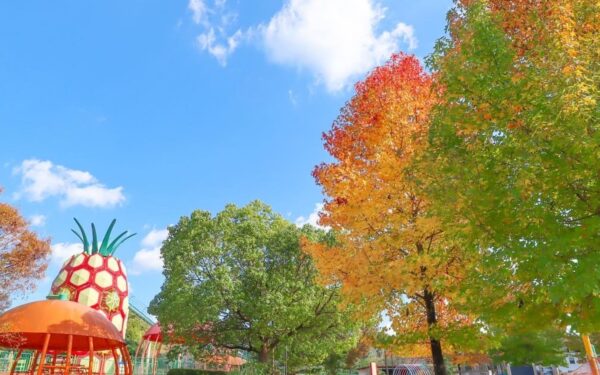
Hamamatsu Fruits Park Toki Yuki Sei
Hamamatsu Fruits Park Toki Yuki Sei
Shizuoka
Free admission (some paid experiences and facilities are available)
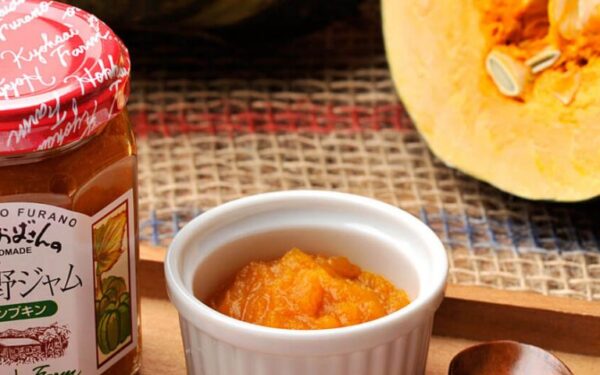
Furano Jam Sono
Furano Jam Sono
Hokkaido
Free entry
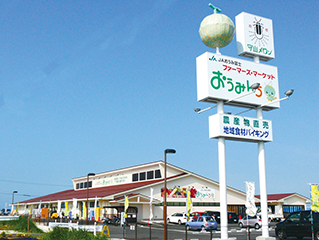
JA Lake Shiga Farmers Market Ouminchi
Jaレーク滋賀 Faamaazu Market Ouminchi
Shiga
in-store prices
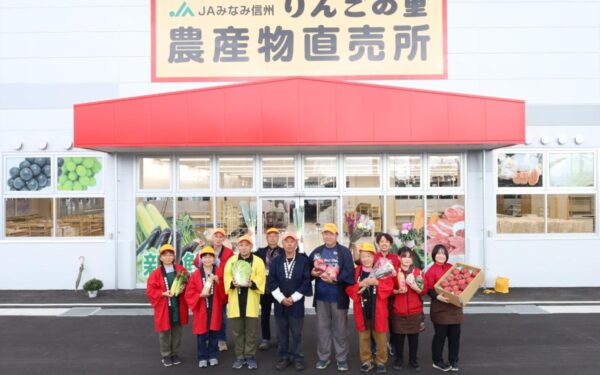
Ringono Sato Nousanbutsu Chokubai Tokoro
Ringono Sato Nousanbutsu Chokubai Tokoro
Nagano
in-store prices
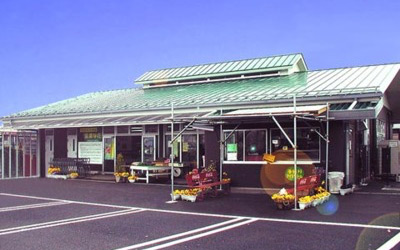
Sano Kanko Nouen Agri Town
Sano Kanko Nouen Agri Town
Tochigi
in-store prices
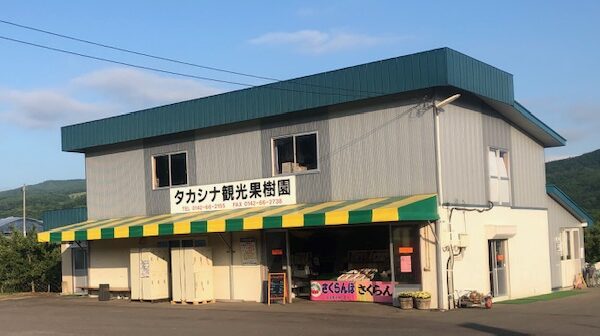
Takashina Kanko Kajuen
Takashina Kanko Kajuen
Hokkaido
in-store prices
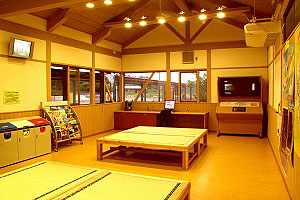
Michi No Eki Kayou
Michi No Eki Kayou
Okayama
Free admission. Specialty products are at in-store prices
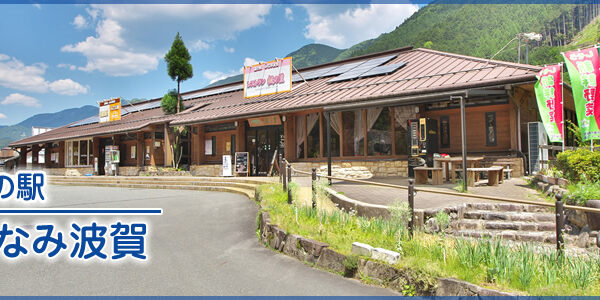
Michi No Eki Minami Haga
Michi No Eki Minami Haga
Hyogo
Free admission. Specialty products are at in-store prices
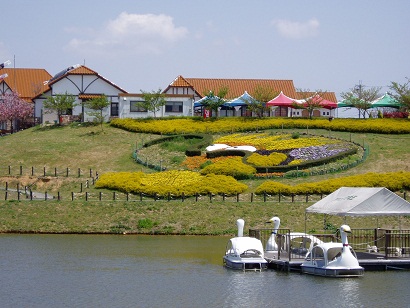
Michi No Eki Agri Park Ryuuou
Michi No Eki Agri Park Ryuuou
Shiga
Free admission. Fruit picking is an additional charge.

Michi No Eki Kawaba Den'En Plaza
Michi No Eki Kawaba Den'En Plaza
Gunma
Free admission. Specialty products are at in-store prices
Mori No Nakano Kajuen
Mori No Nakano Kajuen
Aomori
Adults 1,700 yen, Junior high school students and seniors 1,400 yen, Children 1,000 yen, Infants 600 yen
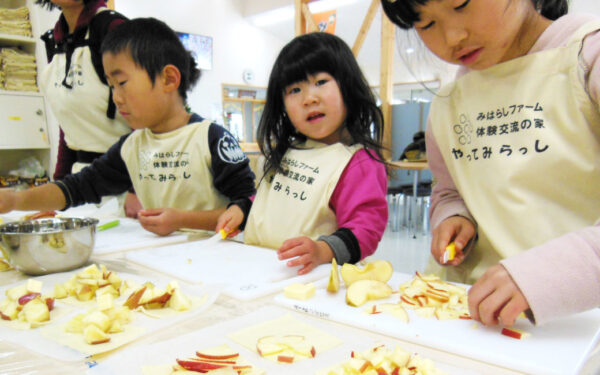
Habiro Nougyou Koen Miharashi Farm
Habiro Nougyou Koen Miharashi Farm
Nagano
Experience starts from 600 yen (varies depending on content)
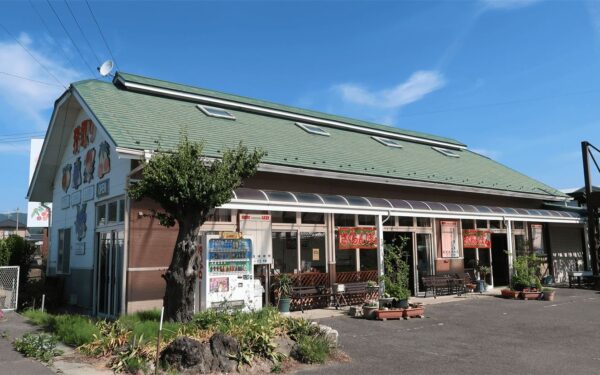
Maruyoshi Kanko Kajuen
Maruyoshi Kanko Kajuen
Fukushima
All-you-can-eat peach picking for 30 minutes, etc. (varies depending on item)
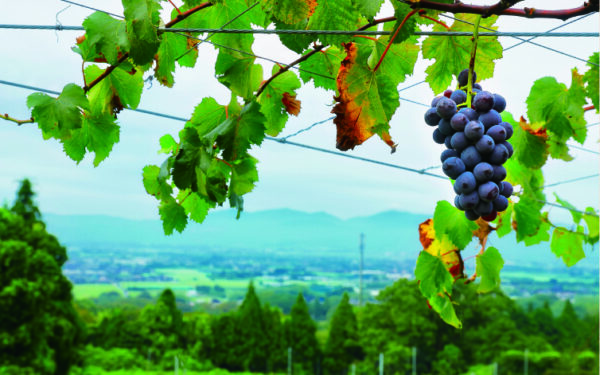
Kyohou Winery
Kyohou Winery
Fukuoka
Free tour and tasting

Suroo Life Resort Ichigono Sato
Suroo Life Resort Ichigono Sato
Tochigi
Admission fee: 200 yen for adults, 100 yen for elementary school students (fruit picking fee is separate)
-600x375.jpg)
Sachi Kaen ( Okazaki Koma Ritsu Budou Kari )
Sachi Kaen ( Okazaki Koma Ritsu Budou Kari )
Aichi
Please check the official website (unlimited time all you can eat)
Hanano Engei
Hanano Engei
Hiroshima
Strawberry picking, blueberry picking, autumn leaves viewing, etc.
Eden Nouen
Eden Nouen
Hiroshima
Strawberry picking, blueberry picking, orange picking (varies depending on the season)
-600x375.jpg)
Fruits Cafe Hachi Chinka ( Hatchinkapurasu )
Fruits Cafe Hachi Chinka ( Hatchinkapurasu )
Yamanashi
Varies depending on menu

Tondabayashi Shi Nougyou Koen Sabaa Farm
Tondabayashi Shi Nougyou Koen Sabaa Farm
Osaka
Admission fee: 710 yen for adults, 300 yen for children, additional charge for strawberry picking (please check the official website)
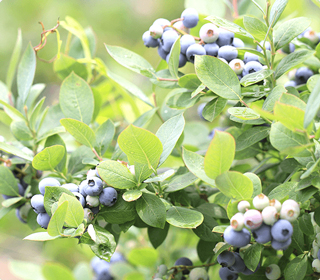
Michi No Eki Kurimoto Kurenai Komachi No Sato
Michi No Eki Kurimoto Kurenai Komachi No Sato
Chiba
Free admission (products and experiences sold separately)
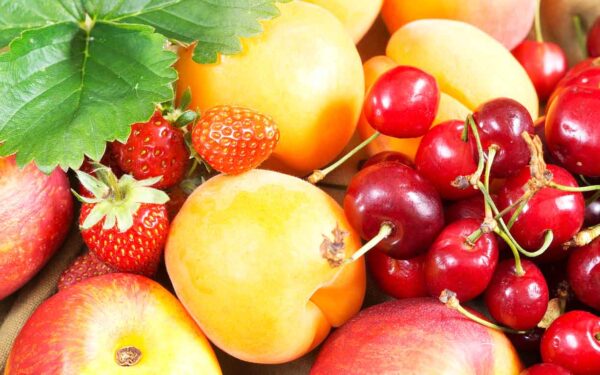
Kanko Nouen Touge Nofumoto Kurenai Kaen
Kanko Nouen Touge Nofumoto Kurenai Kaen
Hokkaido
Unlimited cherry picking time Adults 1,500 yen Children 1,000 yen Infants 600 yen
Murata Kajuen
Murata Kajuen
Hokkaido
Fruit picking: 1,000 yen for junior high school students and above, 800 yen for elementary school students, 500 yen for 3 years old and above (all-you-can-eat without time limit)
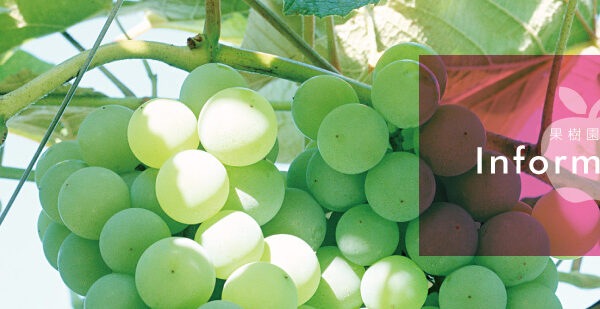
Nitori Kanko Kajuen
Nitori Kanko Kajuen
Hokkaido
Fruit picking Varies depending on item and season
Frequently Asked Questions
When is Blueberry in season?
Where are the main growing regions for Blueberry?
Where can I enjoy Blueberry?
What is the best way to enjoy Blueberry?
Share this fruit
🫐 Blueberry — Find on Map
Discover nearby spots on our interactive map