Apple
In Season: Sep–Dec In Season
🍎 Apple
Fuji is the world’s most cultivated apple variety — born in Japan. Hirosaki in Aomori, the “apple city,” accounts for over half of national production.
🍎 Complete Guide to Apple Picking
The Appeal of Apples and the Joy of Fruit Picking
Picture an orchard where apples in shades of red and yellow hang heavy on the branches under a crisp autumn sky. Strolling through this scenery, picking an apple with your own hands, and biting right into it on the spot -- apple picking has been a beloved autumn tradition for generations.
Japan has over a century of apple cultivation history. Starting with varieties introduced from overseas during the Meiji era, breeders have continuously developed cultivars suited to Japan's climate and terrain. The result is an impressive lineup of homegrown varieties -- Fuji, Tsugaru, Orin, and many more -- that have earned worldwide acclaim. Fuji, in particular, is one of the most widely grown apple varieties on the planet, a testament to the excellence of Japanese apple-growing expertise.
What makes apple picking so appealing is that each variety offers a completely different flavor experience. Some are prized for sweetness, others for tartness, some for a crisp crunch, and others for their juiciness. The autumn scenery of an apple orchard is truly special, and as the weather cools, a day spent outdoors with family or friends becomes a genuinely luxurious way to enjoy the season.
Peak Seasons and Regional Differences
The apple picking season generally runs from late August through late November. Harvest times vary widely by variety -- early-season types are ready by the end of summer, while late-season varieties can be enjoyed well into late autumn.
Peak Season by Variety
Apple varieties are classified as early, mid, or late season based on their harvest timing.
The leading early-season variety is Tsugaru, which is the first to ripen from late August to mid-September. As the variety that kicks off the apple season, Tsugaru is known for its sweet, juicy flavor. The mid-season variety Shinano Sweet peaks from early to mid-October and, true to its name, excels in sweetness. Another mid-season apple, Jonagold, is at its best from early to late October, offering a well-balanced blend of sweetness and tartness that also makes it popular for cooking.
The late-season variety Fuji reaches its peak from late October to early November and is the most important variety in Japan, accounting for roughly half of the country's total apple production. Orin is another late-season variety that hits its stride around November. This green apple has distinctive yellow-green skin and is prized for its unique fragrance and sweetness.
Characteristics by Major Growing Region
Aomori Prefecture -- The dominant apple-growing region, producing roughly 60% of all apples in Japan. Vast apple orchards spread across the Tsugaru Plain, and in autumn the sweeping views of red apples stretching to the horizon are truly spectacular. Aomori leads the nation in Fuji production by a wide margin. The apple picking season runs from late August to mid-November, with numerous pick-your-own orchards in cities such as Hirosaki, Kuroishi, and Hirakawa. From Tokyo, it takes about 3.5 hours by Tohoku Shinkansen and local train, or roughly 7 hours by car.
Nagano Prefecture -- Japan's second-largest apple-producing region, especially known for its original Nagano varieties: Shinano Sweet, Shinano Gold, and Akibae, collectively called the "Three Shinshu Apple Brothers." Apples grown at Nagano's high elevations benefit from large day-night temperature swings, which deepen their color and boost their sugar content. Apple picking orchards are plentiful around Nagano City, Azumino, and Iida. Access from Tokyo is excellent -- about 80 minutes on the Hokuriku Shinkansen to Nagano Station.
Yamagata Prefecture -- Known as an apple-growing region in the Tohoku area, apples are one of the flagship fruits of Yamagata, a prefecture also famous for its cherries, grapes, and pears. Fuji apples from Yamagata are particularly well regarded, with pick-your-own orchards dotted around the towns of Asahi and Tendo.
Iwate Prefecture -- A major Tohoku apple-growing area after Aomori, with thriving apple cultivation in Hanamaki, Kitakami, and Oshu. The cold climate produces beautifully colored apples, and both Fuji and Jonagold from Iwate are highly rated.
Variety Guide -- Flavor Profiles and Characteristics
Fuji
Japan's flagship apple variety and one of the most widely cultivated apples in the world. Registered in 1962 as a cross between Kokko and Delicious, Fuji strikes an exquisite balance of sweetness and acidity, with a sugar content of 14-16 degrees Brix. Its firm, crunchy flesh has just the right amount of juice, and the variety is also known for developing "mitsu" (honey core). This honey core forms when sorbitol, a natural sugar alcohol, crystallizes inside the flesh -- Fuji apples with honey core are especially sought after. Another major advantage is its excellent keeping quality: it stays delicious for 1-2 months in refrigerated storage. Peak season is late October to early November.
"Stored Fuji" apples, harvested before full ripeness and kept in cold storage, remain available through the following spring, making it possible to enjoy apples year-round. "Sun Fuji" is a special variant grown without protective bags, allowing the fruit to soak up more sunlight, which results in even higher sugar content.
Tsugaru
An early-season variety developed in Aomori Prefecture, Tsugaru peaks from late August to mid-September. As the first apple of the season, it is known for its abundant juice and refreshing sweetness. With a sugar content of 13-14 degrees Brix and very little acidity, the sweetness takes center stage. The flesh is slightly soft with a light, crisp bite. Tsugaru is the ideal choice for those who want to enjoy apple picking at the earliest opportunity.
Orin
A green apple with distinctive yellow-green skin, Orin is the third most-produced variety in Japan after Fuji and Tsugaru. Originally from Fukushima Prefecture, it is widely grown in Aomori and Yamagata. Its most notable feature is an unusually rich fragrance -- a sweet, almost vanilla-like aroma that sets it apart from other apples. With a sugar content of 14-15 degrees Brix and low acidity, it appeals to those who prefer a sweet apple. The flesh is slightly soft with a smooth texture. Peak season is around November.
Shinano Sweet
One of Nagano Prefecture's "Three Apple Brothers," Shinano Sweet was born from a cross between Fuji and Tsugaru. True to its name, sweetness is its hallmark, with a sugar content of 14-15 degrees Brix. With almost no acidity, a clean, gentle sweetness fills the palate. The variety is juicy with a pleasant, crisp texture. Peak season is early to mid-October.
Shinano Gold
Another member of Nagano's "Three Apple Brothers," Shinano Gold stands out with its yellow skin. Its sugar content of 14-15 degrees Brix is complemented by a refreshing acidity that gives the flavor real depth. The flesh is firm with a satisfying crunch and snap. The variety has earned international recognition and is even cultivated in Italy under the name "Yello." Peak season is mid-October to early November.
Akibae
The third of Nagano's "Three Apple Brothers," Akibae catches the eye with its deep red skin. With a sugar content of 14-15 degrees Brix, it offers a harmonious balance of sweetness and tartness. The flesh is fairly firm with a satisfying chew. Peak season is early to mid-October.
Tips for Tasting and Comparing
When sampling multiple varieties during apple picking, try moving from sweet varieties to tart ones, and from red apples to green. This progression makes each variety's personality stand out clearly. A recommended order would be: Tsugaru's refreshing sweetness, then Shinano Sweet's rich depth, followed by Jonagold's sweet-tart balance, then Fuji's all-around harmony, and finally Orin's aromatic fragrance.
Tips and Tricks for Apple Picking
How to Spot the Best Apples
With so many apples hanging in the orchard, here are some pointers for choosing the tastiest ones.
Look for apples that are evenly and deeply colored all over -- this is a sign they have received plenty of sunlight and ripened well. Pay special attention to the color of the bottom (the end opposite the stem). An apple with red coloring all the way to the bottom tends to be more fully ripe and sweeter. If the bottom is still green, the apple may not be fully mature.
Choose apples with a thick, firm stem. The stem acts as a pipeline carrying nutrients from the tree to the fruit, so a thick stem indicates the apple received plenty of nourishment and developed good sweetness. Thin or shriveled stems may be a sign of declining freshness.
Apples that feel heavy for their size are packed with juice. Pick one up -- if it feels heavier than it looks, chances are it will be delicious.
Also, apples with small bumps or irregularities on the surface (called "ibori" in Japanese) are often more likely to contain honey core. An apple with a slightly rough surface may actually be sweeter than one that looks perfectly smooth, so don't judge by appearance alone.
The Right Way to Pick
The correct technique is to cradle the apple from below in the palm of your hand and twist it upward with a quick turn. Pulling downward can snap the branch and damage the part of the tree that produces next year's fruit. If you hold the base of the stem with your index finger while twisting upward, the apple will come off cleanly.
The trees in the orchard have been carefully tended by the farmers, so please handle them gently -- avoid breaking branches or unnecessarily damaging other fruit.
Eating Tips
Apples taste sweeter when they are nicely chilled. Some orchards provide buckets of cold water, so try cooling your apple briefly before eating for enhanced flavor. However, over-chilling can dull the taste, so around 10 degrees Celsius is ideal.
Biting right into a whole apple, skin and all, is part of what makes apple picking special. If you prefer, you can peel it with a knife. The skin is rich in polyphenols, so eating it unpeeled is the better choice from a nutritional standpoint.
What to Bring and What to Wear
Apple picking takes place outdoors in autumn, so comfortable, warm clothing is recommended. From October onward, mornings and evenings can get chilly in apple country, so bring an extra layer to be safe.
Apple trees can be surprisingly tall, and you'll spend a lot of time looking upward, so a brimmed hat is handy for blocking the sun. Since orchard ground can be uneven with dirt and grass, wear comfortable sneakers.
Useful items to bring include a knife (if you want to slice your apples), plastic bags (for taking fruit home), and wet wipes. Apple juice won't make your hands too sticky, but it's good to be prepared if you prefer to stay clean.
Regional Guide
Aomori Prefecture (Hirosaki, Kuroishi, and Hirakawa Area)
Aomori Prefecture, Japan's top apple-producing region, is the apple picking capital of the country. Hirosaki is known as "the city of apples," with orchards even dotting the area around Hirosaki Castle. Aomori apples are distinguished by their high sugar content and beautiful coloring, nurtured by the cool climate and abundant snowmelt water. The apple picking season stretches from late August through mid-November, with a relay of varieties keeping things fresh over the long season.
Nagano Prefecture (Nagano City, Azumino, and Iida Area)
Nagano's standout advantage is the chance to taste-test all three of the Shinshu Apple Brothers -- Shinano Sweet, Shinano Gold, and Akibae -- in one visit. Some high-altitude orchards offer breathtaking views of the Northern Alps, making it possible to combine autumn foliage viewing with apple picking for a truly luxurious experience. With easy access from Tokyo, a day trip for apple picking is entirely feasible.
Gunma Prefecture (Numata and Tone Area)
The northern part of Gunma Prefecture, about 2 hours by car from Tokyo, is a hidden gem for apple picking. The Tone-Numata area has a cluster of orchards, and a popular plan is to follow up apple picking with a visit to nearby hot springs such as Minakami Onsen or Kawaba Onsen.
Frequently Asked Questions
Q. How much does apple picking cost?
For all-you-can-eat plans, adults typically pay around 600-1,000 yen, making it one of the more affordable fruit picking experiences. For pick-and-weigh plans (pay by weight), the going rate is generally around 400-800 yen per kilogram.
Q. How many apples can you eat?
Most adults feel satisfied after 2-3 apples. A single apple weighs about 200-300g and is surprisingly filling. With all-you-can-eat plans, rather than trying to eat as many as possible, we recommend sampling a little of each variety for a taste comparison.
Q. Can you take apples home?
Most orchards sell apples for taking home separately from the all-you-can-eat plan. Sales methods vary by orchard -- some sell by weight, others by the basket. Apples purchased directly at the orchard are fresher than store-bought ones and often more affordable, making them a great choice for souvenirs.
Q. When is the best time for apple picking?
It depends on the variety, but mid-October through early November is the prime season, when popular varieties like Fuji are available and the autumn foliage is at its peak. However, this period tends to be crowded, so visiting early in the day or on a weekday is recommended.
Q. How should I store apples?
The basic rule is to store apples in a cool environment. Place each apple in a plastic bag and keep it in the vegetable drawer of your refrigerator -- depending on the variety, they can stay fresh and delicious for 1-2 months. Apples release significant amounts of ethylene gas, which accelerates the ripening of other fruits and vegetables nearby, so always seal them in a plastic bag for storage. If storing at room temperature, place them in a cool, well-ventilated spot and aim to eat them within 1-2 weeks.
Nutrition and Health Benefits
There's a well-known saying: "An apple a day keeps the doctor away" -- and nutritional science backs it up. According to Japan's Standard Tables of Food Composition (8th edition), raw apple flesh (without skin) contains 53 kcal per 100g of edible portion, along with 120mg of potassium and 1.4g of dietary fiber. When eaten with the skin, dietary fiber increases to 1.9g and vitamin C rises to roughly 1.5 times (6mg vs. 4mg without skin), so eating apples unpeeled provides even more nutritional benefits.
The most distinctive nutritional feature of apples is their diverse array of polyphenols, collectively known as "apple polyphenols." The largest component, making up about 60% of these polyphenols, is procyanidin. Procyanidins have strong antioxidant properties, and research has shown they may help suppress fat absorption, prevent body fat accumulation, lower blood cholesterol and triglycerides, and curb post-meal blood sugar spikes. Apple polyphenols are concentrated in and near the skin, so washing the apple thoroughly and eating it with the skin on is recommended.
Among the dietary fiber abundant in apples, the soluble fiber pectin deserves special attention. Pectin binds to cholesterol and harmful substances in the intestines and helps flush them from the body, contributing to lower blood cholesterol levels and improved gut health. Its intestinal regulating effects also make it helpful for relieving constipation.
The organic acids in apples, such as malic acid and citric acid, are components of the citric acid cycle, which drives smooth energy metabolism. They help the body produce energy efficiently and are believed to promote recovery from fatigue. This is why grated apple has long been a go-to remedy when feeling under the weather -- it delivers these nutrients in an easily digestible form.
Potassium helps the body excrete excess sodium, contributing to the prevention of high blood pressure. A single apple (about 250g, with roughly 200g of edible flesh) provides approximately 240mg of potassium, making it a convenient way to help counterbalance excess salt intake when included in your daily diet.
Storage Methods and Take-Home Tips
Bringing Apples Home from the Orchard
Apples picked during apple picking are relatively sturdy and easy to transport compared to other fruits. That said, apples bumping against each other can cause bruising (browning), so wrapping each one individually in newspaper or kitchen paper is the best approach. If placing them in a cardboard box or basket, use cushioning material between the apples to keep them from moving around. An insulated bag is not essential, but for early-season apple picking (early varieties harvested in late summer), it's a good idea to bring one since car interiors can get very hot.
Refrigerated, Room Temperature, and Frozen Storage Tips
Apples can last a long time when stored properly. For refrigerated storage, place each apple in a plastic bag, seal it, and store it in the vegetable drawer of your refrigerator. The reason for using a plastic bag is to contain the ethylene gas that apples release, which can accelerate the ripening of other fruits and vegetables. Using this method, apples can stay tasty for 1-2 months depending on the variety. Late-season varieties like Fuji and Orin have particularly good storage properties.
For room temperature storage, keep apples in a cool place (ideally around 10 degrees Celsius) out of direct sunlight. In autumn and winter, a foyer or a north-facing room works well. Apples can keep at room temperature for 2-3 weeks, but be careful not to leave them in a heated room, as this speeds up deterioration.
For freezing, peel the apples, cut them into wedges, and place them in a freezer bag. Frozen apple wedges can be used straight from the freezer for compote or apple pie filling, or enjoyed half-thawed as a sorbet-like dessert. Grating and freezing apples also makes them convenient for use in baby food or salad dressings.
How to Tell When They're Ready to Eat
Apples continue to ripen slowly after harvest. Key signs of peak eating condition are even coloring and a glossy sheen on the skin, and a satisfying heft when you hold the apple. The exact color of a fully ripe apple varies by variety, but for Fuji, a fully red surface with a yellowish tinge developing around the bottom (the calyx end) indicates rising sugar content. If you tap the apple lightly with your finger and hear a clear, ringing sound, the flesh is firm and fresh.
Best Season Month-by-Month -- Variety Relay Calendar
The apple picking season spans from August through December, offering a long relay of varieties from early to late season. Japan's main apple-growing regions -- Aomori, Nagano, Iwate, Yamagata, and Fukushima -- each have slightly different season start dates.
Visiting in August-September -- Tsugaru and Kiou
The early-season variety Tsugaru leads off the apple picking season. Peaking from late August to mid-September, it is known for its low acidity and juicy sweetness. The yellow apple Kiou is also available during this period. Since the weather can still be warm, don't forget to bring a hat and a drink.
Visiting in October -- Kogyoku, Shinano Sweet, and Akibae
October is when mid-season varieties come into their own, offering the widest selection for apple picking. Kogyoku (Jonathan) is popular for its strong tartness, making it ideal for baking. Shinano Sweet is a Nagano original variety with pronounced sweetness that appeals to children as well. Akibae stands out with its deep reddish-purple skin and rich sweet-tart flavor. Since this period coincides with the peak travel season, combining apple picking with autumn foliage viewing is a wonderful option.
Visiting in November -- Fuji, Orin, and Shinano Gold
November is the best season for apple picking. Fuji, Japan's most widely produced variety, reaches its peak. With its well-balanced sweetness and acidity, a honey-cored Fuji is an extraordinary treat. Orin is a green apple with a clean sweetness and distinctive aroma, while Shinano Gold, with its golden appearance and refreshing tartness, has been surging in popularity in recent years.
Visiting in December -- Late-Season Fuji
December marks the very end of the apple picking season. A handful of orchards remain open, mainly offering the long-keeping Fuji variety, though most close by mid-December. Savoring a honey-cored Fuji in the crisp late-autumn air is a fitting finale to the season. It's also a great time to buy boxes of apples as year-end gifts.
Tips for Families with Children
Choosing a Child-Friendly Orchard
When selecting an orchard for apple picking, pay attention to how the trees are trained. Orchards that use dwarf rootstock cultivation keep trees at a lower height, allowing children to reach the apples. Standard apple trees grow 3-5 meters tall, but dwarf trees are only about 1.5-2 meters, so elementary school-age children can pick apples by hand. Some orchards also provide step stools or small ladders, so it's worth checking in advance.
Fun by Age Group
For children aged 0-2, grate or cut apples into small pieces before serving. Apples are widely used as baby food and are considered relatively low-risk for allergies. Simply being out in the open space of an orchard is a wonderful experience in itself for very young children.
For children aged 3-5, teach them the proper picking technique. Rather than pulling the apple downward, show them how to cradle it in their palm and twist upward -- it comes off cleanly that way. The experience of picking an apple and biting right into it is a real thrill for kids.
For elementary school-age children and older, comparing different varieties sparks curiosity. Learning that "Fuji is sweet with honey core" or "Kogyoku is sour but makes amazing apple pie" is a hands-on food education experience. Making treats together at home with the apples they brought back adds another layer of fun.
Benefits of Dwarf Tree Cultivation
Unlike strawberries, apples are not grown on raised beds -- they are harvested from trees planted in the ground. Choosing an orchard that uses dwarf rootstock cultivation makes it easier for children to reach the fruit. Apple orchards tend to have relatively flat terrain with wide paths, making them generally stroller-friendly. However, since the ground is often dirt or grass, wheels can get stuck. A stroller with wide tires or a baby carrier is recommended.
Varieties
Apple Is in Season Now! Find a Spot
Apple is in season right now, available at 92 spots across Japan.
🍎 Apple Spots
92 spots
Hirosaki Apple Park
Hirosaki Ringo Koen
Aomori
¥1,200–
Shinshu Apple Village
Shinshuu Ringono Sato
Nagano
¥1,400–
Koriyama Apple Farm
Kouriyama Ringo Sono
Fukushima
¥1,300–

Awohata Jam Dekki
Awohata Jam Dekki
Hiroshima
Jam making experience 1,000 yen (for junior high school students and above, set of 4 bottles), factory tour course free
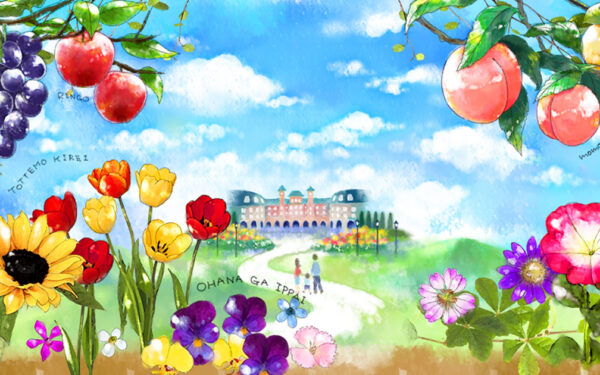
Michi No Eki Koube Fruits ・ Flower Park Oosawa
Michi No Eki Koube Fruits ・ Flower Park Oosawa
Hyogo
Free admission (fees apply for some facilities)
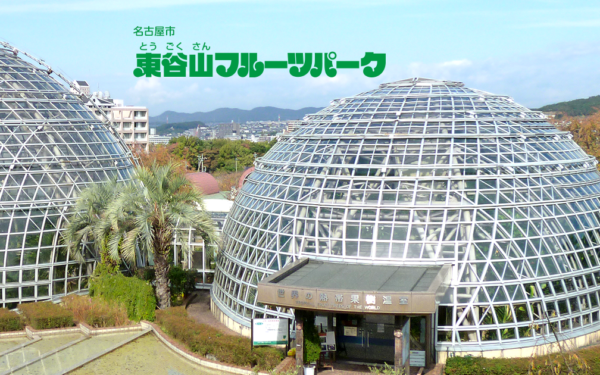
Azumaya Yama Fruits Park
Azumaya Yama Fruits Park
Aichi
Free admission (World Tropical Fruit Greenhouse 300 yen for adults)
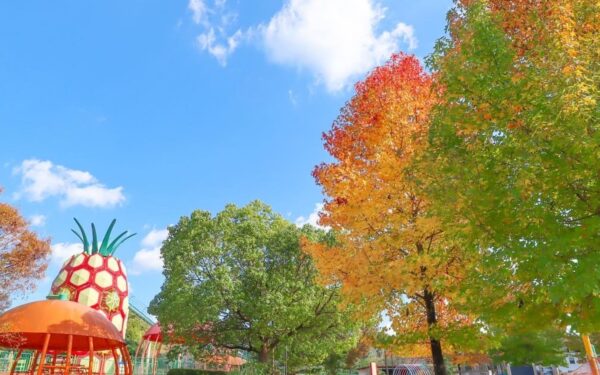
Hamamatsu Fruits Park Toki Yuki Sei
Hamamatsu Fruits Park Toki Yuki Sei
Shizuoka
Free admission (some paid experiences and facilities are available)
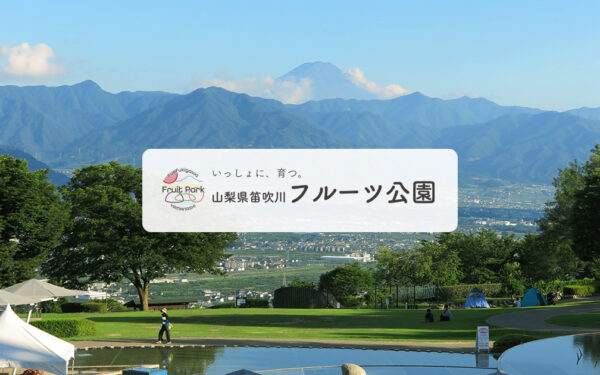
Fuefuki Kawa Fruits Koen
Fuefuki Kawa Fruits Koen
Yamanashi
Free admission (some paid facilities)
Hakodatewain Budou Kan
Hakodatewain Budou Kan
Hokkaido
Free tour/free tasting
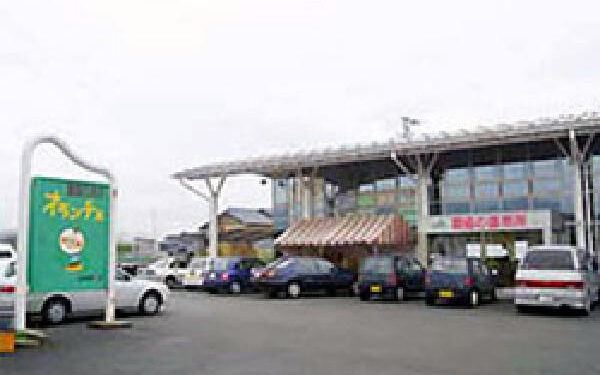
JA Nakano City Farm Products Market Oranche
Ja中野市農産物産館 Oranche
Nagano
in-store prices
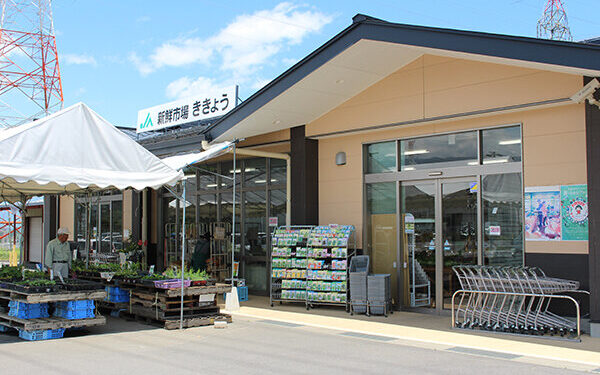
Shinsen Shijou Kikyou
Shinsen Shijou Kikyou
Nagano
in-store prices
Matsukawa Intaa Chokubai Tokoro Monarin
Matsukawa Intaa Chokubai Tokoro Monarin
Nagano
in-store prices
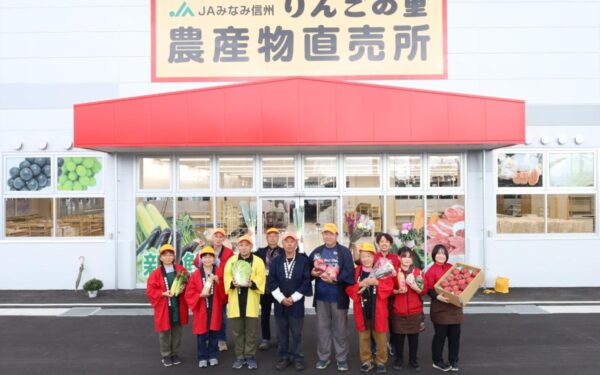
Ringono Sato Nousanbutsu Chokubai Tokoro
Ringono Sato Nousanbutsu Chokubai Tokoro
Nagano
in-store prices
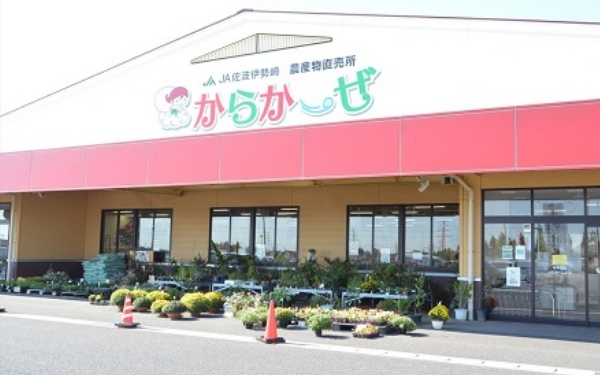
JA Sawa-Isesaki Farmers Market Karakaze
Ja佐波伊勢崎 Faamaazu Market Karaka ~ Ze
Gunma
in-store prices
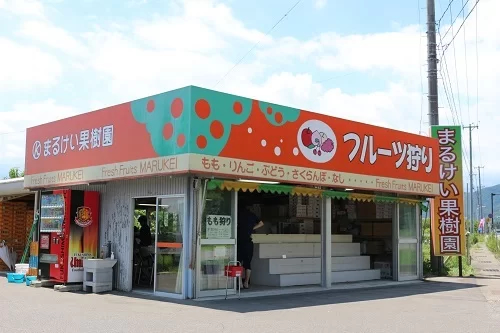
Marukei Kajuen
Marukei Kajuen
Fukushima
in-store prices
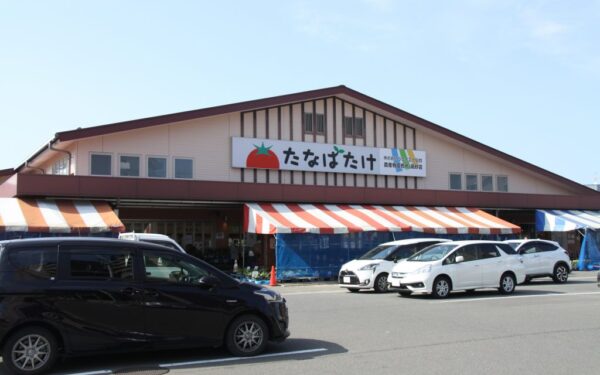
JA Sendai Farm Products Direct Sales Tanabatake Takasago
Ja仙台 Nousanbutsu Chokubai Tokoro Tanabatake Takasago Mise
Miyagi
in-store prices
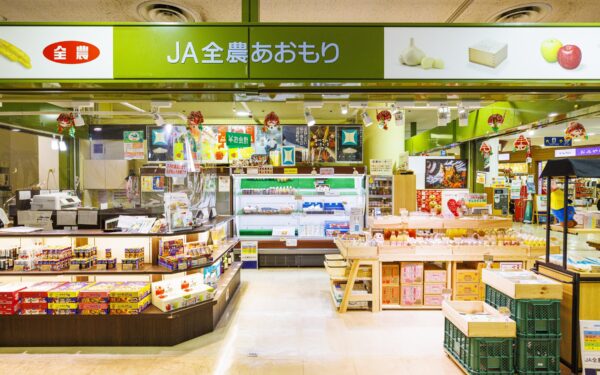
JA Zenno Aomori Agri Shop Aomori
Ja全農あおもり Agri Shop Aomori Mise
Aomori
in-store prices
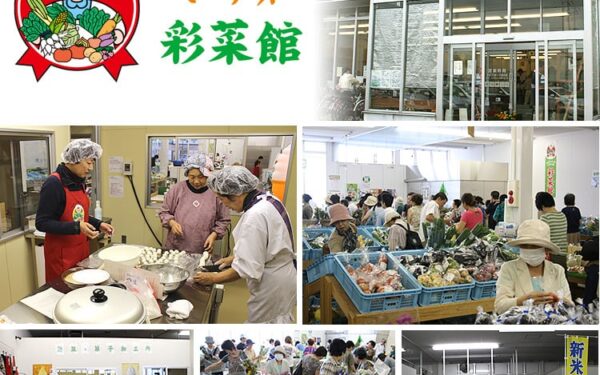
JA Akita Namahage Farmers Market Ayana Kan
Ja秋田なまはげ Faamaazu Market Ayana Kan
Akita
in-store prices
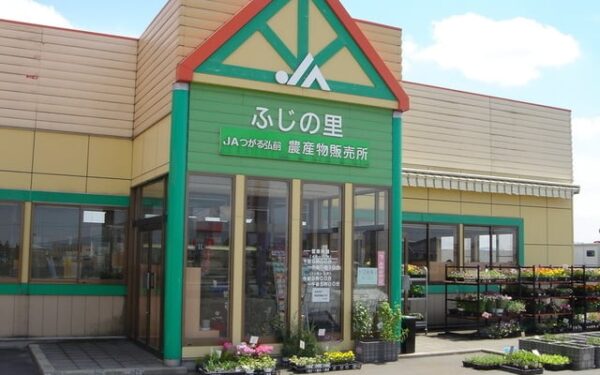
JA Tsugaru Hirosaki Farm Products Direct Sales Fujino Sato
Jaつがる弘前 Nousanbutsu Chokubai Tokoro Fujino Sato
Aomori
in-store prices
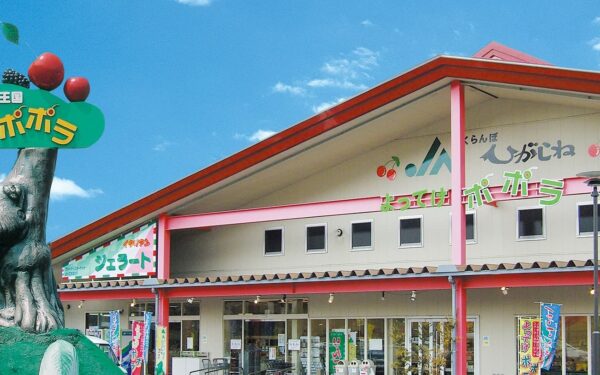
JA Sakuranbo Higashine Farmers Market Yotteke Popora
Jaさくらんぼひがしね Faamaazu Market Yotteke Popora
Yamagata
in-store prices
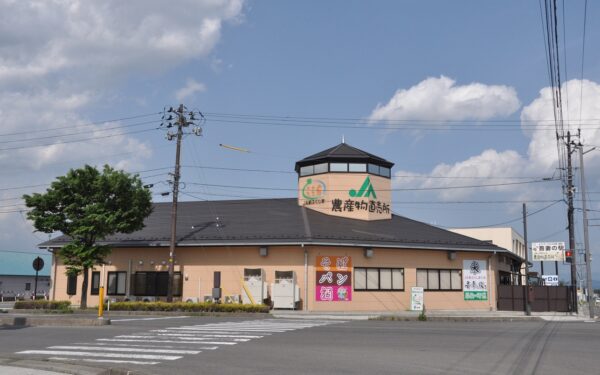
JA Fukushima Mirai Farm Products Direct Sales Kokora Azuma
Jaふくしま未来 Nousanbutsu Chokubai Tokoro Kokora Azuma Mise
Fukushima
in-store prices
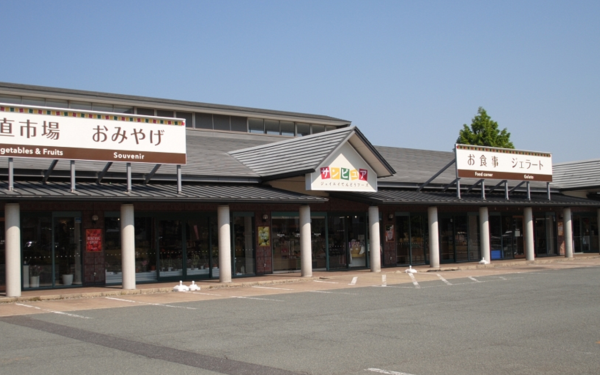
Michi No Eki Tendo Onsen Sanchoku Mise Sanpyua
Michi No Eki Tendo Onsen Sanchoku Mise Sanpyua
Yamagata
in-store prices
Hakkou Gakuen Nousanbutsu Chokubai Tokoro
Hakkou Gakuen Nousanbutsu Chokubai Tokoro
Hokkaido
in-store prices
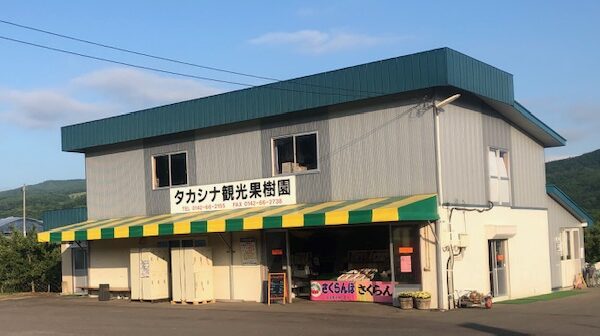
Takashina Kanko Kajuen
Takashina Kanko Kajuen
Hokkaido
in-store prices
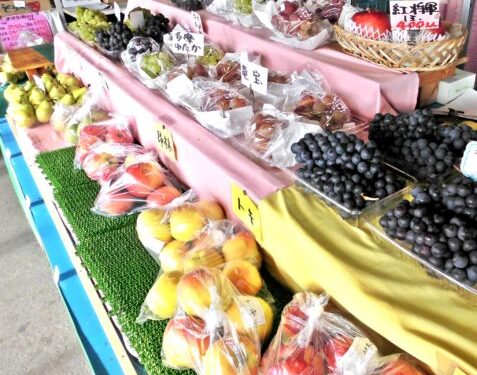
Fujimori Kajuen
Fujimori Kajuen
Hokkaido
in-store prices
Hokuren Kutto Nou Nofureai Farm Kururuno Mori
Hokuren Kutto Nou Nofureai Farm Kururuno Mori
Hokkaido
in-store prices
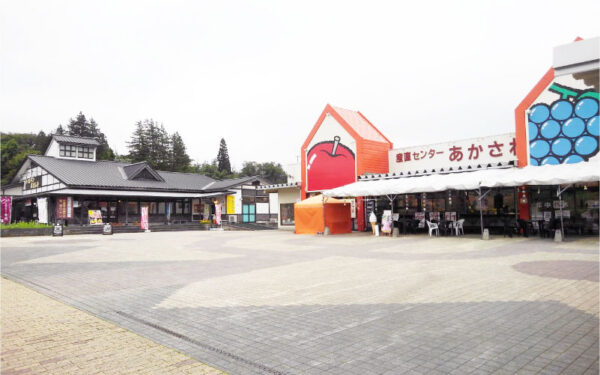
Michi No Eki Shiwa
Michi No Eki Shiwa
Iwate
Free admission. Specialty products are at in-store prices

Michi No Eki Arai
Michi No Eki Arai
Niigata
Free admission. Specialty products are at in-store prices
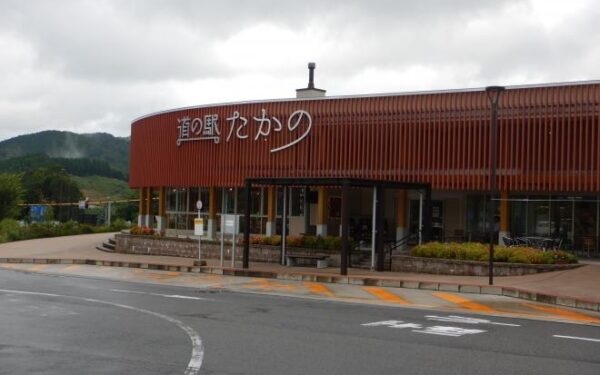
Michi No Eki Takano
Michi No Eki Takano
Hiroshima
Free admission. Specialty products are at in-store prices
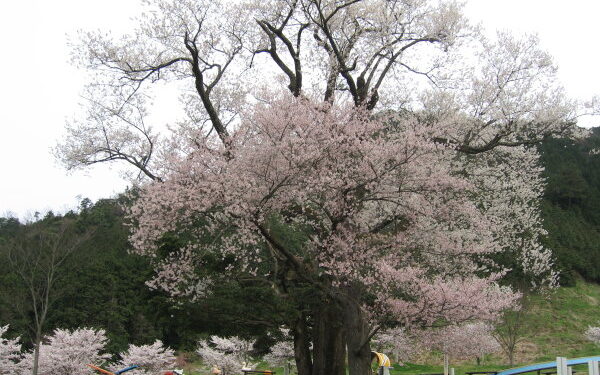
Michi No Eki Hattou
Michi No Eki Hattou
Tottori
Free admission. Specialty products are at in-store prices
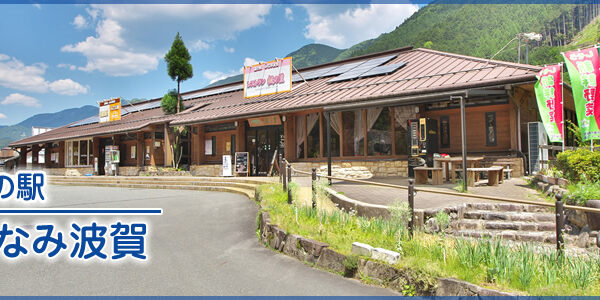
Michi No Eki Minami Haga
Michi No Eki Minami Haga
Hyogo
Free admission. Specialty products are at in-store prices
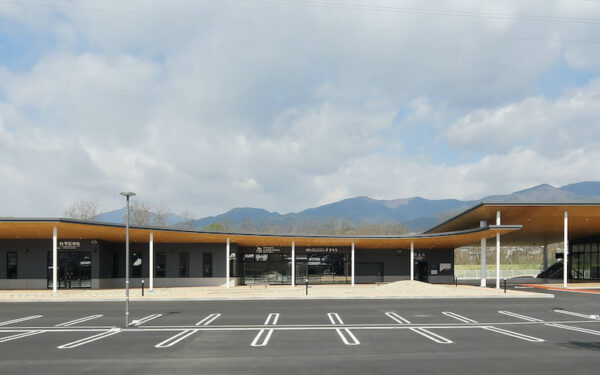
Michi No Eki Nanshin Shuu Toyooka Marche
Michi No Eki Nanshin Shuu Toyooka Marche
Nagano
Free admission. Specialty products are at in-store prices

Michi No Eki Minami Kiyosato
Michi No Eki Minami Kiyosato
Yamanashi
Free admission. Specialty products are at in-store prices
Michi No Eki Kawaba Den'En Plaza
Michi No Eki Kawaba Den'En Plaza
Gunma
Free admission. Specialty products are at in-store prices
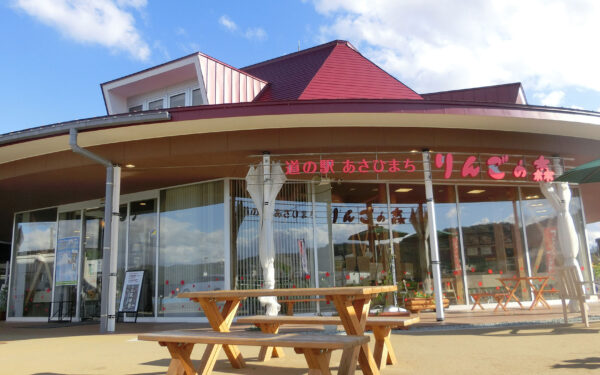
Michi No Eki Asahimachi Ringono Mori
Michi No Eki Asahimachi Ringono Mori
Yamagata
Free admission. Specialty products are at in-store prices
Michi No Eki Touya Mizuumi
Michi No Eki Touya Mizuumi
Hokkaido
Free admission. Specialty products are at in-store prices
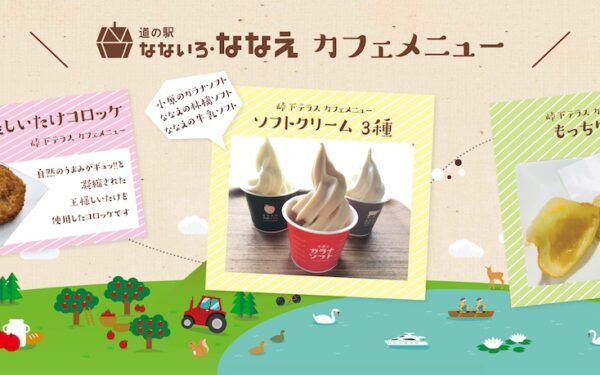
Michi No Eki Nanairo ・ Nanae
Michi No Eki Nanairo ・ Nanae
Hokkaido
Free admission. Specialty products are at in-store prices
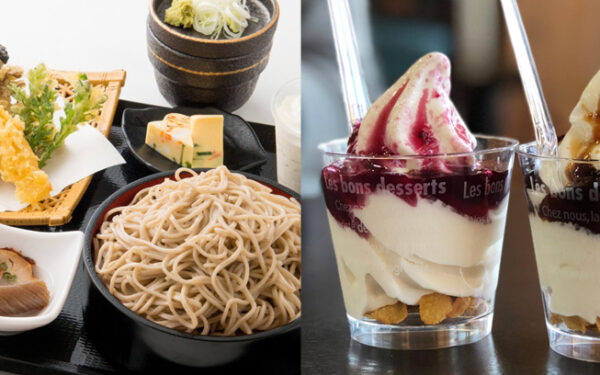
Michi No Eki Juumonji
Michi No Eki Juumonji
Akita
Free admission. Specialty products are at in-store prices
Michi No Eki Soubetsu Jouhoukan I
Michi No Eki Soubetsu Jouhoukan I
Hokkaido
Free admission. Specialty products are at in-store prices
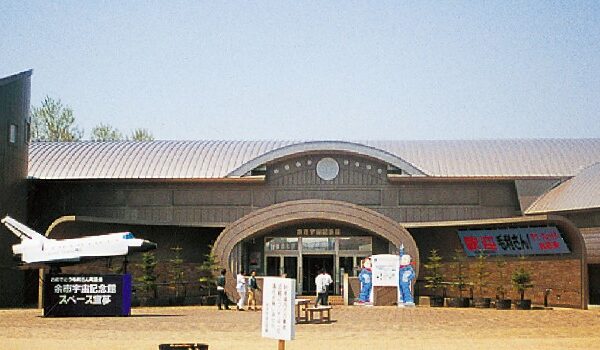
Michi No Eki Supeesu・ Apple Yoichi
Michi No Eki Supeesu・ Apple Yoichi
Hokkaido
Free admission. Specialty products are at in-store prices
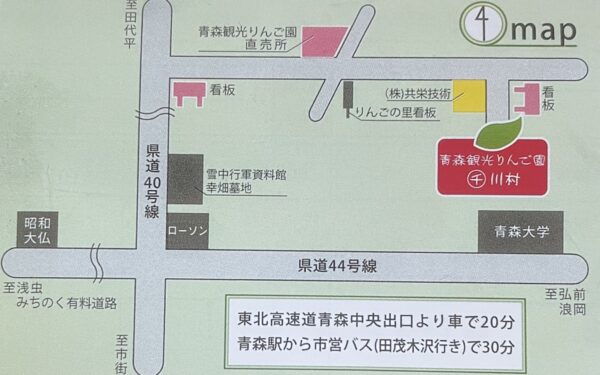
Aomori Kanko Ringo Sono
Aomori Kanko Ringo Sono
Aomori
Adults: 300 yen (3 pieces torn off, admission fee included)
Michi No Eki Namioka Apple Hiru
Michi No Eki Namioka Apple Hiru
Aomori
Free admission. Please refer to the official website for prices for tourist apple orchards (mid-September to early November)
Michi No Eki Hirosaki Sanfesuta Ishikawa
Michi No Eki Hirosaki Sanfesuta Ishikawa
Aomori
Free admission (you can purchase from 1 apple)
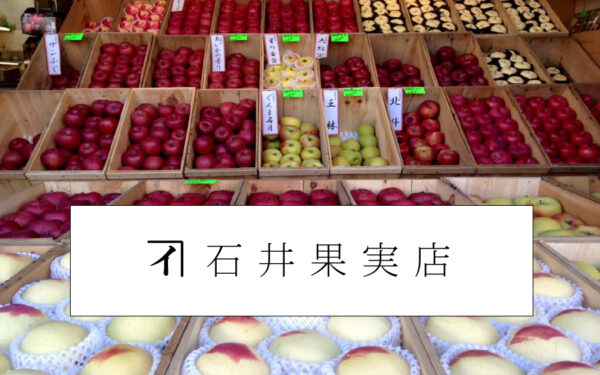
Ishii Kajitsu Mise
Ishii Kajitsu Mise
Aomori
Can be purchased from 1 apple (varies depending on variety and size)
Tsugaru Yumeringo Farm
Tsugaru Yumeringo Farm
Aomori
Apple picking 660 yen per person (reservation required at least 7 days in advance)
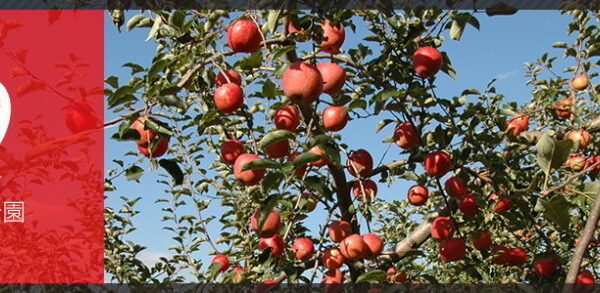
Hirosakishi Ringo Koen
Hirosakishi Ringo Koen
Aomori
Admission is free. Apple picking experience 100g 100 yen (experience guide fee included)
Mori No Nakano Kajuen
Mori No Nakano Kajuen
Aomori
Adults 1,700 yen, Junior high school students and seniors 1,400 yen, Children 1,000 yen, Infants 600 yen
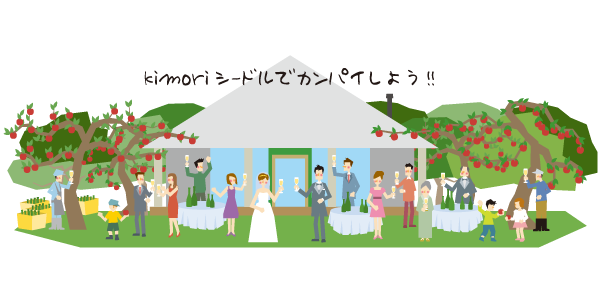
Hirosaki Shiidoru Koubou Kimori
Hirosaki Shiidoru Koubou Kimori
Aomori
Please check the official website
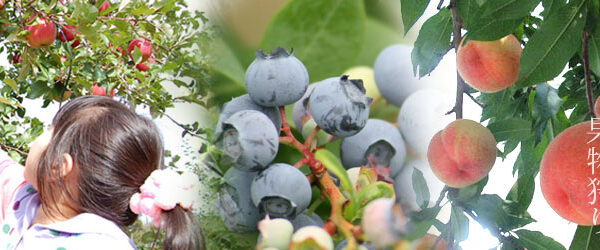
Yumeringo Pateisurii
Yumeringo Pateisurii
Aomori
Apple pie, tarte tatin, etc. (see official website for prices)
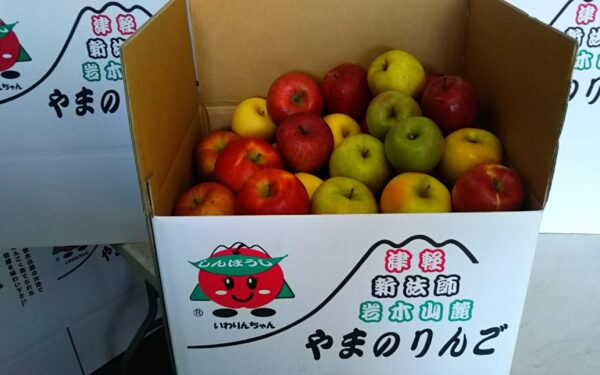
Iwakisan Kanko Ringo Sono
Iwakisan Kanko Ringo Sono
Aomori
Adults 1,500 yen, Children 1,000 yen, Silvers 1,300 yen (40 minutes all-you-can-eat, 2 souvenirs included)
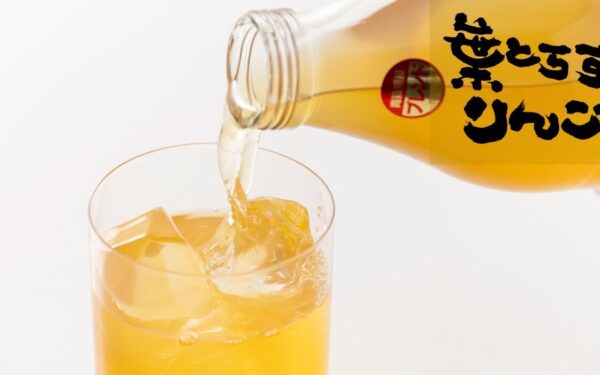
Seino Nouen
Seino Nouen
Aomori
Varies depending on type and size (see official website)
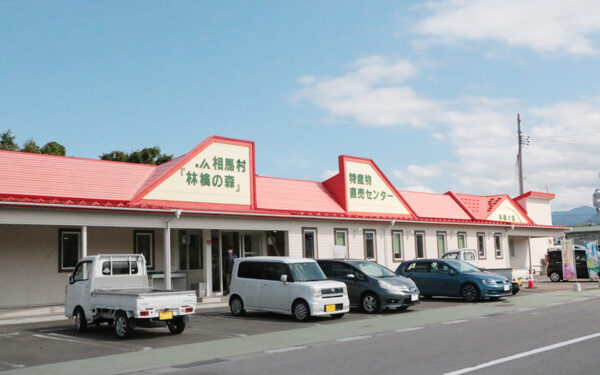
JA Soumamura Ringo-no-Mori
Ja相馬村 Ringo No Mori
Aomori
Free admission (apple bags sold, prices are current prices)
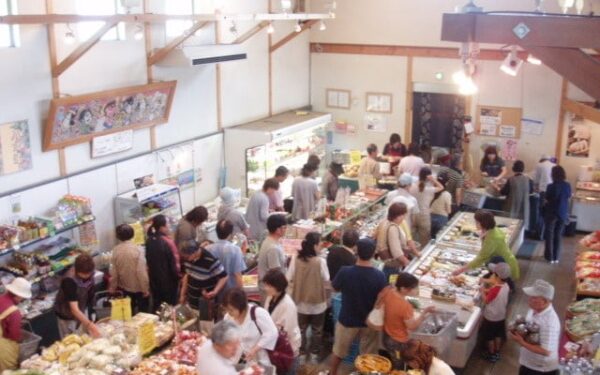
JA Tsugaru Hirosaki Shikisai Kan
Jaつがる弘前 Shiki Sai Kan
Aomori
Free admission (apples and processed products must be purchased separately)
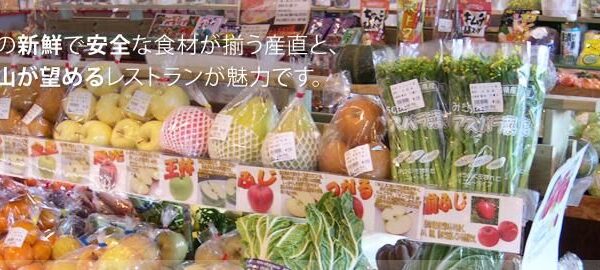
Anekko Chokubai Tokoro Noichi Sato
Anekko Chokubai Tokoro Noichi Sato
Aomori
Free admission (Apple picking: 1,100 yen for adults, 650 yen for children)
-600x375.jpg)
A-Factory ( Ee Factory )
A-Factory ( Ee Factory )
Aomori
Free admission. Cider tasting is charged (prepaid card required)
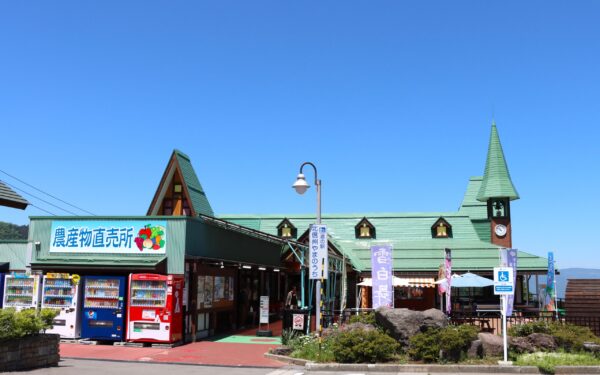
Michi No Eki Hokushin Shuu Yamanouchi
Michi No Eki Hokushin Shuu Yamanouchi
Nagano
Free entry
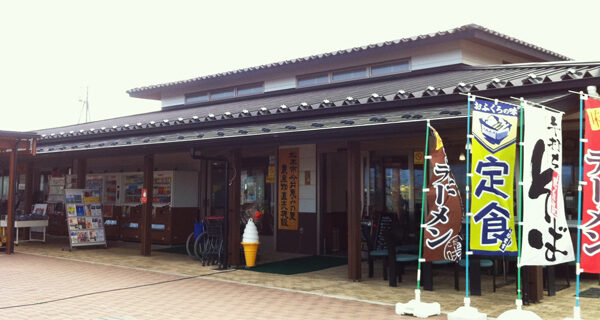
Michi No Eki Imai Megumi No Sato
Michi No Eki Imai Megumi No Sato
Nagano
Free admission (agricultural products must be purchased separately)
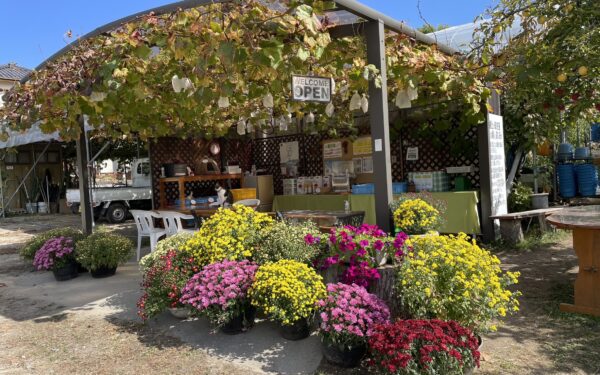
Fuku Bun Nouen
Fuku Bun Nouen
Nagano
Please check the official website
Ono Ringo Sono
Ono Ringo Sono
Nagano
All-you-can-eat apple picking + 1 piece to take home: 500 yen for adults, 300 yen for elementary school students
Kobayashi Nouen
Kobayashi Nouen
Nagano
Apple picking: 500 yen for adults, 300 yen for elementary school children, free for preschoolers
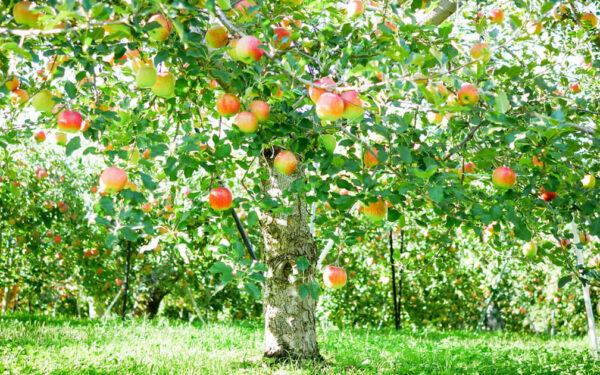
Kitashiro Nouen
Kitashiro Nouen
Nagano
Varies depending on type and size (see official website)
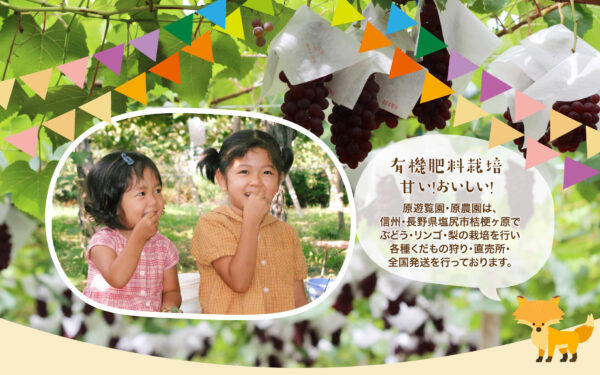
Hara Yuuran Sono ・ Hara Nouen
Hara Yuuran Sono ・ Hara Nouen
Nagano
Adults 500 yen, 65 years old and up 400 yen, Elementary school students 300 yen, Kindergarten children 250 yen (unlimited time)
Shinshuu Fruits Land
Shinshuu Fruits Land
Nagano
All-you-can-eat apples for 30 minutes 400-500 yen, All-you-can-eat grapes for 30 minutes 1,650 yen
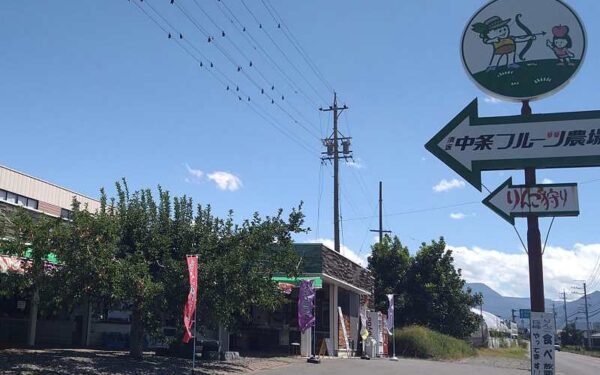
Chuujou Fruits Noujou
Chuujou Fruits Noujou
Nagano
All-you-can-eat apples for 30 minutes 400-500 yen, All-you-can-eat grapes for 30 minutes 1,650 yen
Fumonji Kanko Sono
Fumonji Kanko Sono
Nagano
Please check the official website
Bura Berry Farm
Bura Berry Farm
Nagano
All you can eat 500 yen, All you can eat + 2 souvenirs 800 yen, All you can eat + 1 basket 1,500 yen
Ringo Kari No Chikuma Sono
Ringo Kari No Chikuma Sono
Nagano
Please check the official website
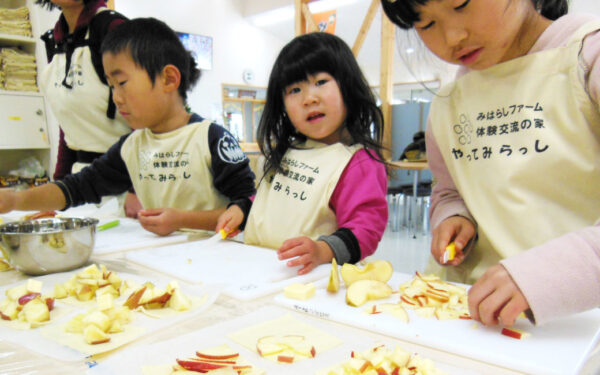
Habiro Nougyou Koen Miharashi Farm
Habiro Nougyou Koen Miharashi Farm
Nagano
Experience starts from 600 yen (varies depending on content)
Michi No Eki Fukushima
Michi No Eki Fukushima
Fukushima
Free admission. Products are in-store prices
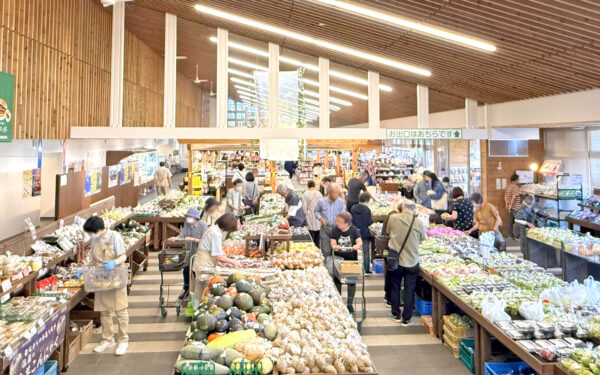
Michi No Eki Kunimi Atsukashino Sato
Michi No Eki Kunimi Atsukashino Sato
Fukushima
Free admission (separate purchase at farmers market)
Konno Kajuen
Konno Kajuen
Fukushima
Please check the official website

Marusei Kajuen
Marusei Kajuen
Fukushima
Fruit picking varies depending on the item
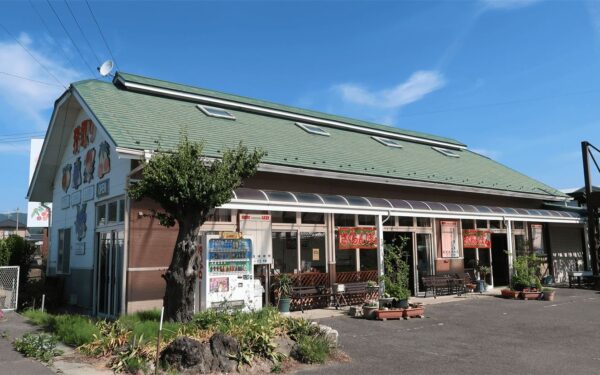
Maruyoshi Kanko Kajuen
Maruyoshi Kanko Kajuen
Fukushima
All-you-can-eat peach picking for 30 minutes, etc. (varies depending on item)
Marue Kanko Kajuen
Marue Kanko Kajuen
Fukushima
All-you-can-eat peach picking for 30 minutes: Adults (junior high school students and older) 1,210 yen, Children (4 years old to elementary school students) 990 yen, 3 years old and under free
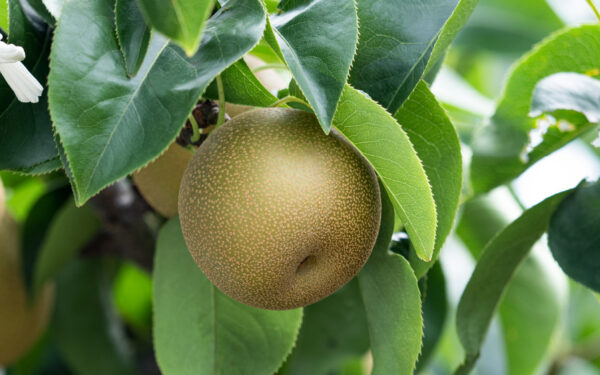
Kudamono Hatake
Kudamono Hatake
Fukushima
Products are in-store prices
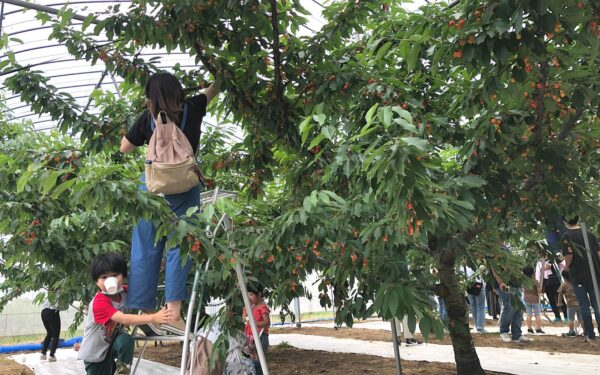
Azuma Kajuen
Azuma Kajuen
Fukushima
All-you-can-eat peach picking for 30 minutes: 1,650 yen for junior high school students and older, 1,320 yen for 4 to elementary school students, free for children 3 and under
Kanko Nouen Kichiji Sono
Kanko Nouen Kichiji Sono
Kumamoto
All-you-can-eat strawberry picking for 40 minutes: 1,800 to 2,200 yen for junior high school students and above (varies depending on the season)
Kajitsu No Kuni Kappuruzu
Kajitsu No Kuni Kappuruzu
Kumamoto
Strawberry picking: 2,400 yen for adults, 1,700 yen for elementary school students (varies depending on the season)
Hirata Kanko Nouen
Hirata Kanko Nouen
Hiroshima
All-you-can-eat grape picking: from 2,500 yen for junior high school students and above, strawberry picking: from 1,400 yen
Oohara Kanko Kajuen
Oohara Kanko Kajuen
Okayama
Peach picking: Adults 2,000 yen, Elementary school students 1,300 yen, Kindergartens 1,000 yen
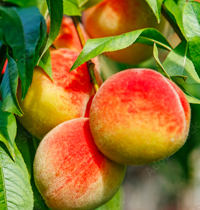
Miharashi Sono
Miharashi Sono
Yamanashi
Peach picking: 1,400 yen for adults, 1,150 yen for children, Grape picking: 1,000 yen for adults, 850 yen for children, Kyoho picking: 1,400 yen for adults, 1,150 yen for children (all-you-can-eat for 40 minutes)
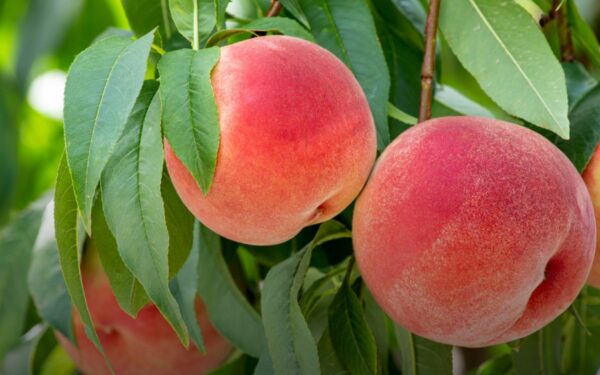
Nakagome Nouen
Nakagome Nouen
Yamanashi
Peach picking souvenir course: Adults 3,300 yen ~, Cherry + peach set: Adults 3,500 yen, Grape picking: Adults 2,000 yen
-600x375.jpg)
Fruits Cafe Hachi Chinka ( Hatchinkapurasu )
Fruits Cafe Hachi Chinka ( Hatchinkapurasu )
Yamanashi
Varies depending on menu
-600x375.jpg)
Fruits Cafe Beravisuta ( Fruits Park Fujiya Hoteru )
Fruits Cafe Beravisuta ( Fruits Park Fujiya Hoteru )
Yamanashi
Please check the official website
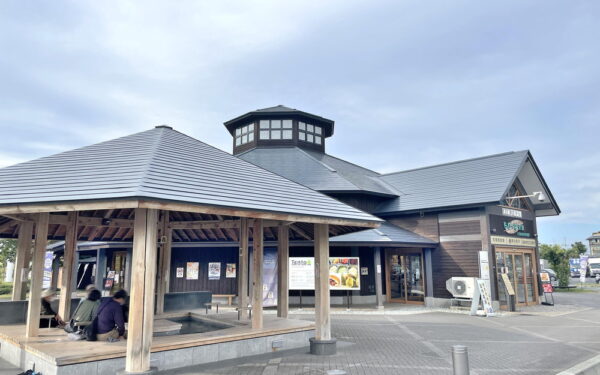
Michi No Eki Tendo Onsen
Michi No Eki Tendo Onsen
Yamagata
Free admission. Footbath "Koma no Yu" is free. Products are in-store prices
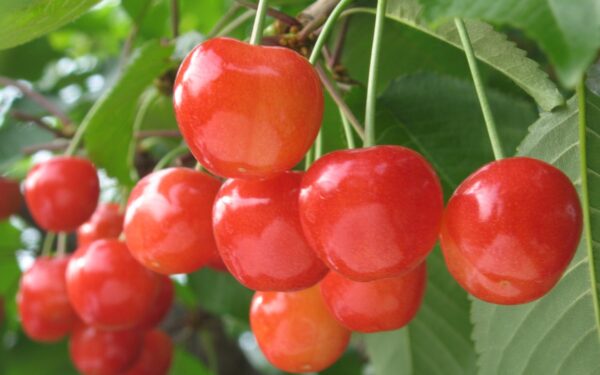
Jinmachi Kanko Kajuen
Jinmachi Kanko Kajuen
Yamagata
60 minutes of apple picking: 1,500 yen for junior high school students and above, 1,000 yen for 4 years old and above
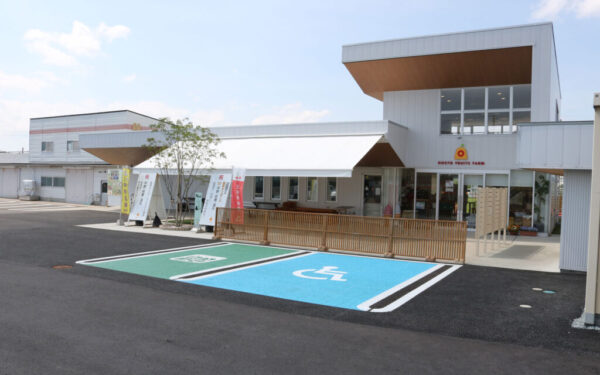
Oushou Kajuen
Oushou Kajuen
Yamagata
Cherry picking Adults (junior high school students and above) 2,500 yen (all-you-can-eat for 30 minutes). Varies depending on variety and season. Please check the official website
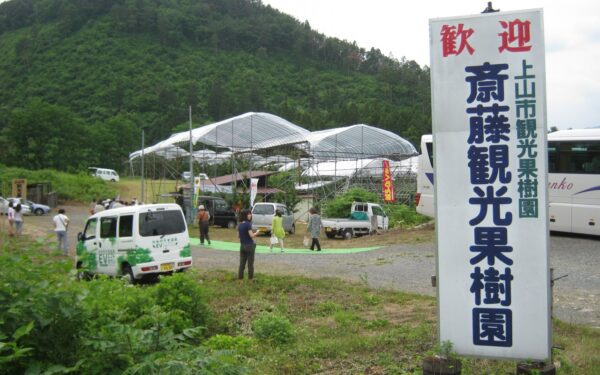
Saitou Kanko Kajuen
Saitou Kanko Kajuen
Yamagata
All-you-can-eat cherry picking for 30 minutes: 2,500 yen for junior high school students and above, 2,000 yen for elementary school students, 1,500 yen for 3 years old and above
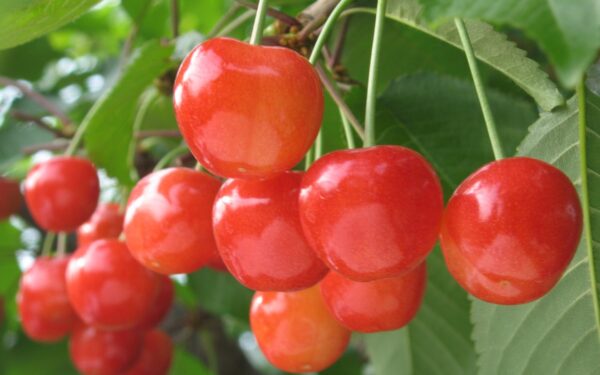
Kou Kaen
Kou Kaen
Yamagata
Unlimited cherry picking time All-you-can-eat Adults 1,800 yen Elementary school students 1,000 yen
-600x375.jpg)
Nakano Kanko Kajuen ( Nakano Fruits )
Nakano Kanko Kajuen ( Nakano Fruits )
Yamagata
All-you-can-eat cherry picking for 30 minutes: Adults 2,500 yen, Elementary school students 2,000 yen
Nitori Kanko Kajuen
Nitori Kanko Kajuen
Hokkaido
Fruit picking Varies depending on item and season
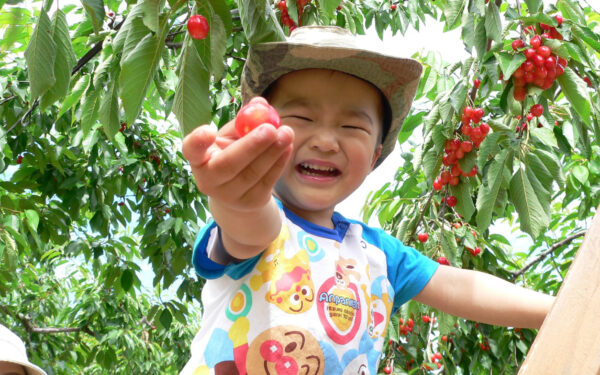
Sakuranbo Yama Kanko Nouen
Sakuranbo Yama Kanko Nouen
Hokkaido
Cherry picking Adults 2,000 yen, Children 1,400 yen, Infants 700 yen (includes 100g souvenir)
Frequently Asked Questions
When is Apple in season?
Where are the main growing regions for Apple?
Where can I enjoy Apple?
What is the best way to enjoy Apple?
Share this fruit
🍎 Apple — Find on Map
Discover nearby spots on our interactive map